Post by : Saif
Global oil prices fell sharply after U.S. President Donald Trump suggested that tensions in the Middle East could soon ease. The sudden drop in prices came just one day after crude oil had surged to its highest level in more than three years, showing how sensitive energy markets are to political events and war-related news.
Oil markets around the world had been extremely tense because of the ongoing conflict involving Iran and its regional rivals. Traders and investors feared that the fighting could disrupt oil supplies coming from the Middle East, one of the most important energy-producing regions in the world.
However, after Trump said the conflict might end soon, markets reacted quickly. The possibility of a de-escalation reduced fears that oil shipments could be blocked or severely disrupted. As a result, prices dropped by more than six percent in a single day.
According to market data, Brent crude oil fell by about $6.51, or roughly 6.6%, reaching around $92 per barrel. At the same time, U.S. West Texas Intermediate crude dropped by more than $6, falling to about $88 per barrel.
This sharp decline happened after prices had surged dramatically the previous day. On Monday, oil prices climbed close to $120 per barrel as fears grew that the war could disrupt global energy supplies.
The Middle East plays a critical role in the global oil market. Several of the world’s largest oil producers are located in the region, including Saudi Arabia, Iran, Iraq, and the United Arab Emirates. Any conflict involving these countries can quickly influence global energy prices.
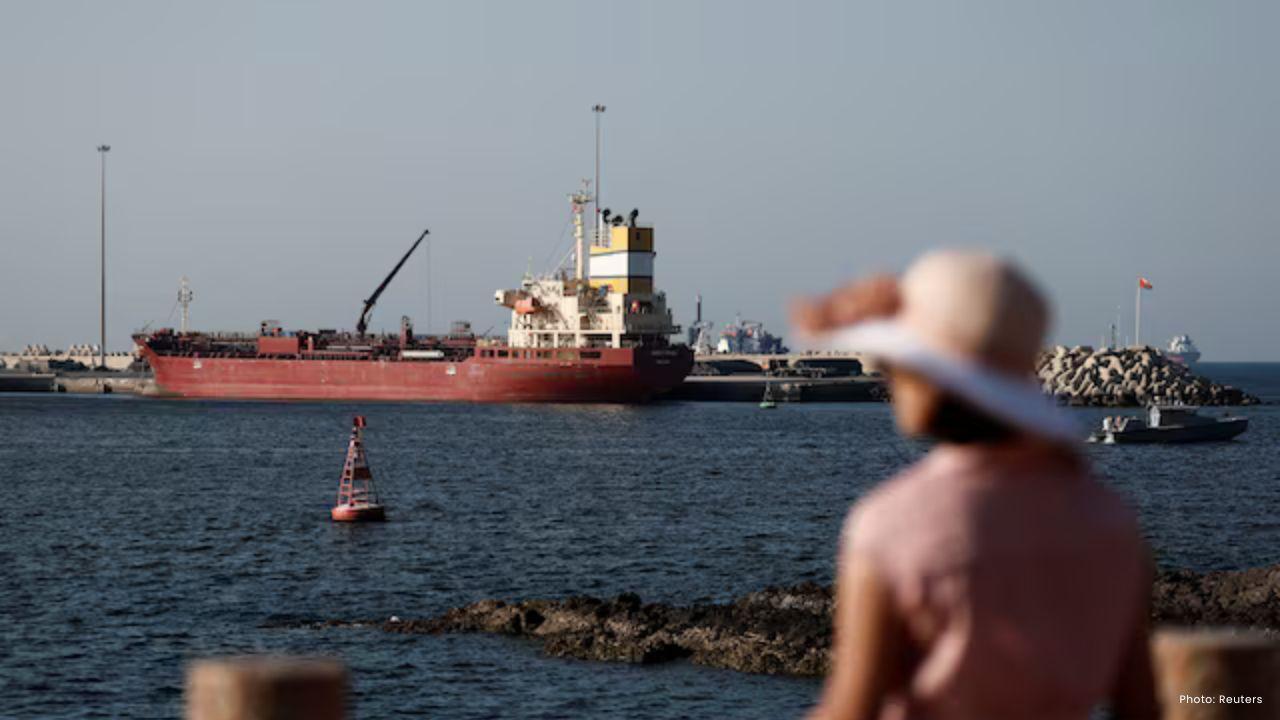
One of the biggest concerns during the recent crisis has been the Strait of Hormuz. This narrow waterway is one of the most important shipping routes for oil in the world. Nearly one-fifth of global oil supplies pass through this area every day.
If shipping through this strait is disrupted, energy markets can react instantly. Traders worry that supply shortages could push prices higher and affect economies around the world.
The recent war fears had already pushed oil prices up sharply earlier this week. Some reports showed that prices had reached their highest level since 2022 before falling again after Trump’s comments about possible peace.
The situation shows how quickly global markets can change when geopolitical tensions rise or fall. Even a single statement from political leaders can influence investor expectations.
Energy analysts say the market remains very sensitive to developments in the conflict. If fighting intensifies again or if oil shipments are disrupted, prices could quickly rise once more.
Some experts believe oil prices may continue to move up and down in the coming weeks. Analysts say crude oil could trade within a wide range between about $75 and $105 per barrel depending on how the conflict develops.
Governments around the world are watching the situation carefully. High oil prices can increase transportation costs, raise fuel prices for consumers, and push inflation higher.
When energy becomes more expensive, it also affects industries such as manufacturing, aviation, and shipping. This is why global leaders often try to stabilize energy markets during times of crisis.
Some countries and international organizations have discussed releasing emergency oil reserves if prices rise too much. These reserves are stored supplies of crude oil that governments keep for emergencies.
At the same time, diplomatic efforts are continuing behind the scenes. Many governments are hoping that negotiations or political pressure can reduce tensions in the Middle East before the conflict spreads further.
Markets also reacted positively to the possibility that the war could end sooner than expected. Investors often move quickly to adjust their positions when they believe risks are decreasing.
The drop in oil prices also affected other financial markets. Lower energy costs can help reduce inflation pressures and support economic growth, which is why investors often welcome falling oil prices.
However, analysts warn that the situation remains uncertain. The Middle East conflict is still ongoing, and political statements do not always lead to immediate peace on the ground.
If tensions rise again or if military actions continue, oil markets could see another sharp increase in prices.
For now, the sudden fall in oil prices shows how closely the global economy is tied to events in the Middle East. Energy markets, financial markets, and even everyday fuel costs can change quickly depending on political developments.
The coming weeks will be important in determining whether the conflict truly moves toward de-escalation or whether new tensions push energy prices higher again.
#trending #latest #armustnews #OilPrices #GlobalEnergy #MiddleEastConflict #CrudeOil #EnergyMarkets #WorldEconomy #Geopolitics #OilMarket #BreakingNews







Advances in Aerospace Technology and Commercial Aviation Recovery
Insights into breakthrough aerospace technologies and commercial aviation’s recovery amid 2025 chall

Defense Modernization and Strategic Spending Trends
Explore key trends in global defense modernization and strategic military spending shaping 2025 secu

Tens of Thousands Protest in Serbia on Anniversary of Deadly Roof Collapse
Tens of thousands in Novi Sad mark a year since a deadly station roof collapse that killed 16, prote

Canada PM Carney Apologizes to Trump Over Controversial Reagan Anti-Tariff Ad
Canadian PM Mark Carney apologized to President Trump over an Ontario anti-tariff ad quoting Reagan,

The ad that stirred a hornets nest, and made Canadian PM Carney say sorry to Trump
Canadian PM Mark Carney apologizes to US President Trump after a tariff-related ad causes diplomatic

Bengaluru-Mumbai Superfast Train Approved After 30-Year Wait
Railways approves new superfast train connecting Bengaluru and Mumbai, ending a 30-year demand, easi



