Post by : Saif
Global oil markets are once again under pressure as tensions between Iran and the United States continue to grow. Prices have moved higher after Iran clearly denied that it is holding talks with Washington, reducing hopes for a quick solution to the crisis.
For many days, traders and investors were watching closely for any sign of communication between the two countries. Talks are often seen as the first step toward peace. Even small progress can help calm markets. But when Iran rejected claims of negotiations, that hope quickly faded.
As a result, oil prices began to rise again. Markets reacted not just to the current situation, but also to the fear of what might happen next. When there is uncertainty, prices often increase as traders prepare for possible shortages.
One of the biggest concerns is the safety of global oil supply routes. A key area is the Strait of Hormuz, a narrow but very important route through which a large share of the world’s oil is transported. Any disruption in this region can have a strong effect on global supply.
The ongoing conflict has already created risks for ships moving through the Gulf. Some tankers have faced delays, while others have had to change their routes to avoid danger. These changes slow down deliveries and add extra costs, which then push prices higher.
Another reason for rising prices is damage to energy infrastructure. Reports suggest that some oil and gas facilities have been affected during the conflict. When production is reduced, even for a short time, it can tighten supply and increase prices in global markets.
Experts say that oil markets are very sensitive to both real and expected risks. Even if supplies are not fully cut off, the fear of disruption is enough to move prices. In this case, the lack of talks has increased that fear.
There is also confusion because of mixed signals from leaders. While some officials in the United States have suggested that talks might happen, Iran has strongly denied this. These conflicting messages make it harder for markets to understand the true situation, leading to more uncertainty.
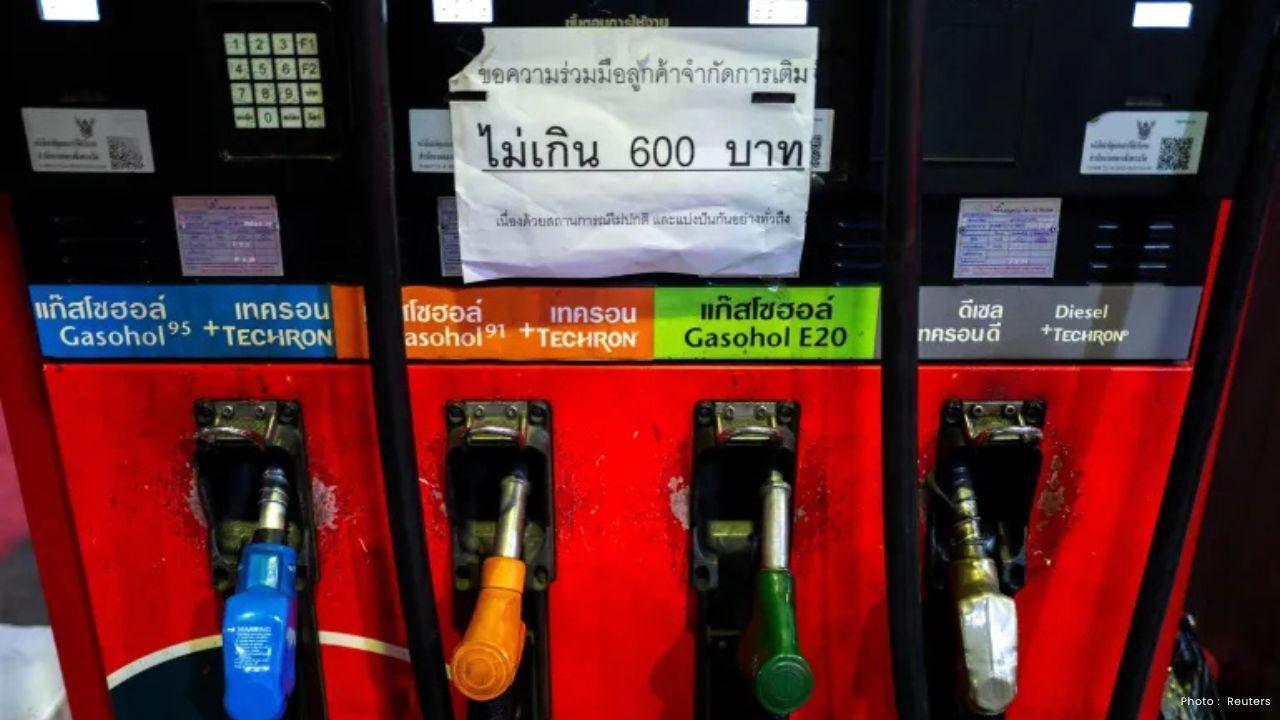
Rising oil prices affect more than just energy companies. They have a direct impact on daily life. Higher oil prices mean higher fuel costs, which then increase transport costs. This often leads to higher prices for food, goods, and services.
Many countries are already feeling the pressure. Governments are trying to manage rising inflation, while businesses are dealing with higher costs. For ordinary people, this means spending more money on basic needs.
Developing nations are especially at risk. They depend heavily on imported oil and often have limited resources to deal with sudden price increases. For them, rising fuel costs can quickly turn into a wider economic problem.
The situation also shows how connected the global economy has become. Events in one region can quickly affect markets across the world. A conflict in the Middle East can influence fuel prices in Europe, Asia, and beyond.
At the same time, this crisis highlights the importance of diplomacy. When countries communicate, there is a chance to reduce tension and find solutions. Without talks, the risk of further escalation remains high.
For now, the future of oil prices depends largely on how the situation develops. If tensions continue and no dialogue takes place, prices may rise further. On the other hand, even a small step toward talks could help bring some stability.
The current moment is a reminder that energy markets depend not only on supply and demand, but also on peace and cooperation. Until tensions ease, uncertainty will likely remain, and the pressure on global markets will continue.
#trending #latest #OilPrices #Iran #UnitedStates #EnergyCrisis #GlobalMarkets #FuelPrices #MiddleEastTensions #BreakingNews





Advances in Aerospace Technology and Commercial Aviation Recovery
Insights into breakthrough aerospace technologies and commercial aviation’s recovery amid 2025 chall

Defense Modernization and Strategic Spending Trends
Explore key trends in global defense modernization and strategic military spending shaping 2025 secu

Tens of Thousands Protest in Serbia on Anniversary of Deadly Roof Collapse
Tens of thousands in Novi Sad mark a year since a deadly station roof collapse that killed 16, prote

Canada PM Carney Apologizes to Trump Over Controversial Reagan Anti-Tariff Ad
Canadian PM Mark Carney apologized to President Trump over an Ontario anti-tariff ad quoting Reagan,

The ad that stirred a hornets nest, and made Canadian PM Carney say sorry to Trump
Canadian PM Mark Carney apologizes to US President Trump after a tariff-related ad causes diplomatic

Bengaluru-Mumbai Superfast Train Approved After 30-Year Wait
Railways approves new superfast train connecting Bengaluru and Mumbai, ending a 30-year demand, easi



