Post by : Saif
The conflict between the United States and Iran has caused widespread travel disruptions around the world. Thousands of flights have been delayed, canceled, or rerouted as airlines and aviation authorities respond to growing safety concerns in Middle East airspace.
The recent military strikes, rising tensions, and fear of further escalation have led many airlines to change their flight paths to avoid potentially dangerous areas. This has affected travelers heading to, from, or through the region. In some cases, flights between Europe and Asia have been forced to take longer routes, adding extra time and cost to journeys.
Officials in the airline industry say that safety is their top priority. When airspace becomes uncertain or risky, airlines must protect their passengers and crews. Even when no direct threats are reported against civilian flights, carriers often act cautiously and choose to avoid airspace that could be affected by military activity.
Many carriers have adjusted their schedules over the past days. Some major airlines temporarily suspended flights to cities in the Middle East. Others rerouted flights that normally pass over the region. Rerouting means that planes must fly longer distances, resulting in delays and sometimes additional fuel costs.
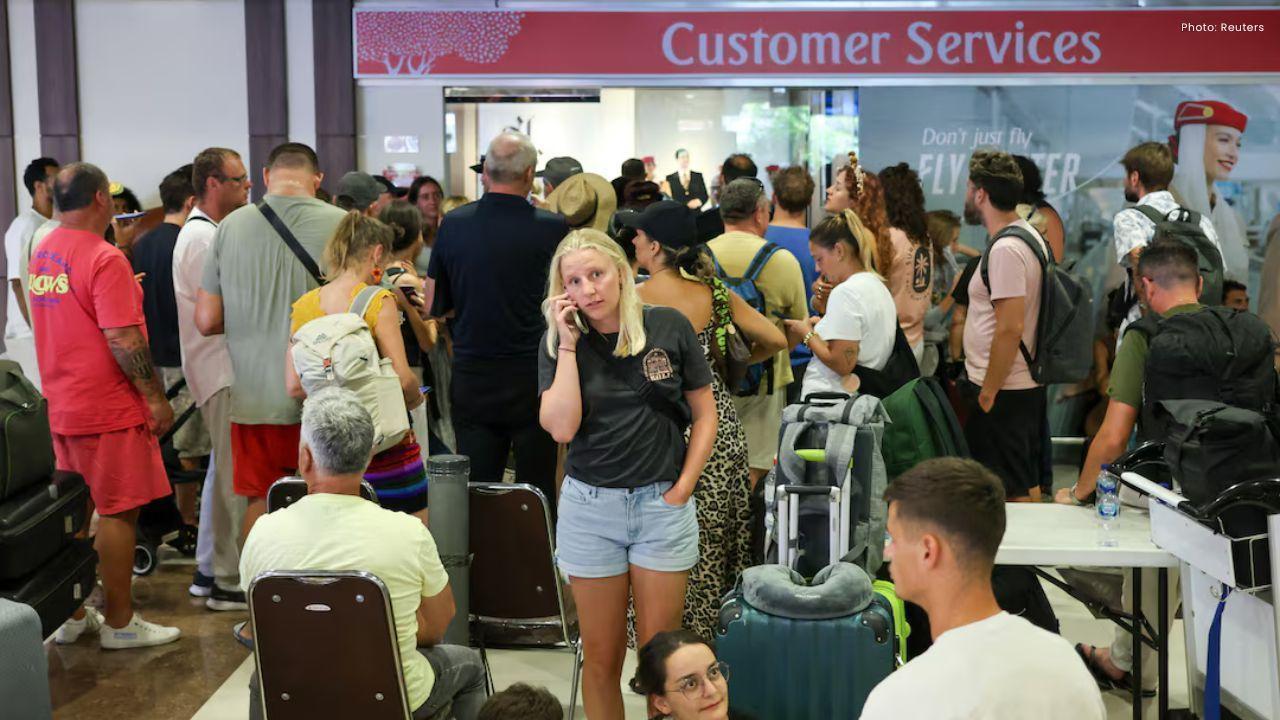
Air passengers have felt the impact in many ways. Travelers have reported long waits at airports, missed connections, and sudden changes to flight plans. Some flights were canceled outright, leaving passengers to rebook or wait for new departures. Others were held on the tarmac while airline staff worked to find alternate routes.
Airlines serving Europe, Asia, Africa, and even North America have been affected because many long-haul flights normally pass over Middle East airspace. When those routes are closed or restricted, it creates a ripple effect across global aviation.
Airport officials and airline representatives have been working to help passengers as best they can. Extra staff have been brought in to guide travelers, provide rebooking options, and explain changes. Many airports have extended their open hours to handle delays that stretched into the night.
The International Air Transport Association and other aviation groups have advised carriers to monitor the situation closely and avoid flying over areas where missiles, drones, or other military actions could pose a risk to civilian aircraft. These recommendations have led to new flight path plans that steer clear of high-risk zones.
Governments and foreign ministries have also issued travel advisories, warning citizens about the potential for travel disruption and urging them to plan accordingly. Some countries have offered special support services for stranded travelers.
The conflict has not only disrupted flights but also affected related industries such as tourism and business travel. Hotels, ground transportation services, and tour operators in many countries have seen cancellations or changes as travelers adjust their plans.
Experts say that international tensions often affect travel because airlines operate in shared airspace. Even when the conflict is not directed at civilian aircraft, uncertainty and risk forces airlines to act with caution. Airlines cannot take chances when it comes to passenger safety.
For many passengers, travel is now more unpredictable. Families flying to visit relatives, students heading back to school, and business travelers attending meetings have all faced changes. In some cases, people have had to delay important events because their flights were disrupted.
Despite the challenges, some travelers have also expressed understanding. Many people say that safety matters more than getting to a destination on time. They recognize that airlines must make tough decisions in uncertain times.
Airline industry officials say they hope that flight disruptions will be temporary and that normal travel patterns will return once tensions ease. However, they also acknowledge that ongoing conflict could lead to continued changes in flight schedules.
The recent disruption to global travel shows how events in one part of the world can affect people everywhere. Today’s airline network is highly interconnected, and changes in one region quickly influence distant places. Travelers are reminded that global events can touch everyday life in unexpected ways.
For now, passengers are advised to stay in close contact with their airline or travel provider, check the status of their flights regularly, and prepare for possible delays or changes. As the situation develops, airlines and authorities will continue to adjust plans to ensure safety and reduce disruption where possible.
#trending #latest #MiddleEast #Aviation #FlightDelays #TravelChaos #USIranConflict #GlobalTravel #Airlines #PassengerSafety #armustnews








Advances in Aerospace Technology and Commercial Aviation Recovery
Insights into breakthrough aerospace technologies and commercial aviation’s recovery amid 2025 chall

Defense Modernization and Strategic Spending Trends
Explore key trends in global defense modernization and strategic military spending shaping 2025 secu

Tens of Thousands Protest in Serbia on Anniversary of Deadly Roof Collapse
Tens of thousands in Novi Sad mark a year since a deadly station roof collapse that killed 16, prote

Canada PM Carney Apologizes to Trump Over Controversial Reagan Anti-Tariff Ad
Canadian PM Mark Carney apologized to President Trump over an Ontario anti-tariff ad quoting Reagan,

The ad that stirred a hornets nest, and made Canadian PM Carney say sorry to Trump
Canadian PM Mark Carney apologizes to US President Trump after a tariff-related ad causes diplomatic

Bengaluru-Mumbai Superfast Train Approved After 30-Year Wait
Railways approves new superfast train connecting Bengaluru and Mumbai, ending a 30-year demand, easi



