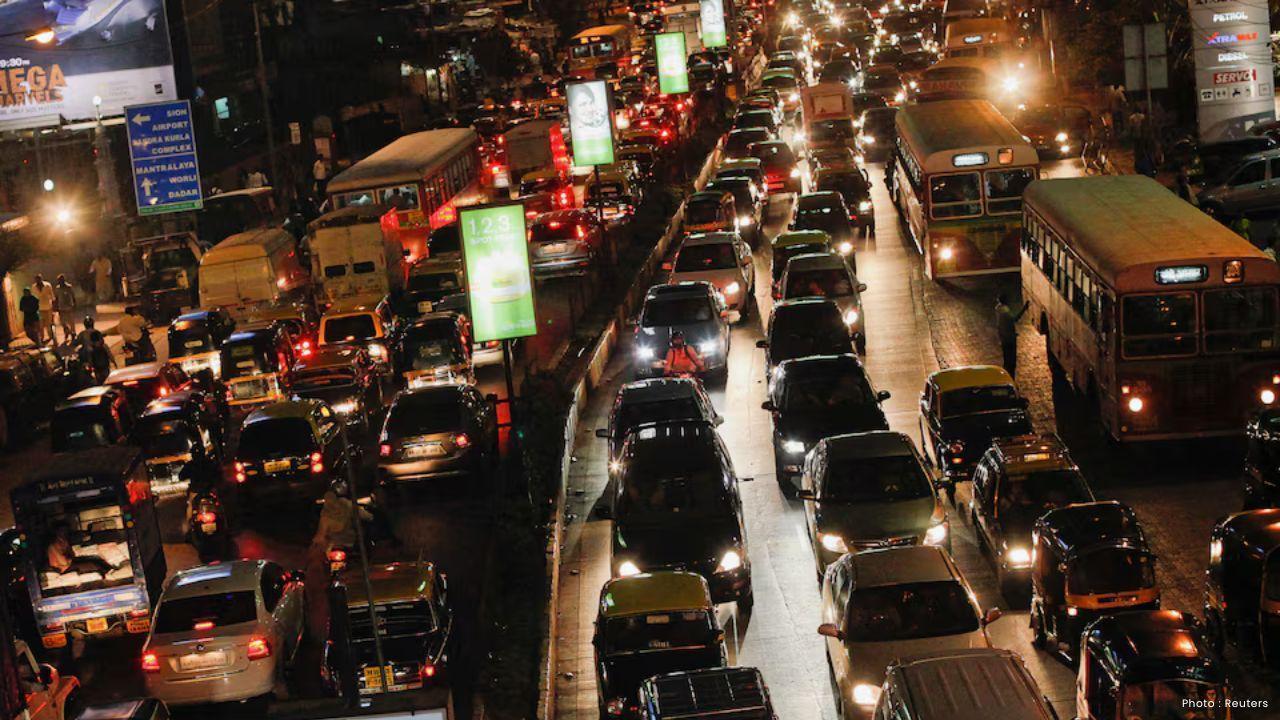
Post by : Saif
India’s fast-growing automobile sector is now facing a serious challenge. A global conflict far from its borders is beginning to affect its growth story. The ongoing tensions between Iran and Israel have disrupted gas supplies, and this is starting to hurt India’s industries, especially the automobile sector.
India has been witnessing a strong rise in vehicle demand over the past few years. From passenger cars to commercial vehicles, sales have been increasing steadily. This growth has been supported by strong consumer demand, better infrastructure, and expanding manufacturing capacity. However, this positive trend is now under pressure due to a shortage of natural gas.
Natural gas plays an important role in India’s industrial system. It is widely used in manufacturing processes, including in the automobile sector. Gas is used for heating, power generation, and running machinery in factories. When gas supply is reduced, production becomes difficult and costly.
The current crisis is linked to the ongoing conflict in the Middle East. The disruption of energy supplies, especially through the Strait of Hormuz, has affected the global flow of oil and gas. This route is one of the most important energy supply lines in the world, and any disturbance here quickly impacts countries like India that depend heavily on imports.
India imports a large portion of its liquefied natural gas (LNG) from the Middle East. Due to the conflict, shipments have been delayed, reduced, or even stopped in some cases. As a result, companies have been forced to cut gas supplies to industries.
This shortage is already being felt across several sectors. Industries such as steel, chemicals, and fertilizers have started reducing production. Now, the automobile sector is also beginning to feel the pressure. Many auto manufacturers depend on steady energy supply to maintain production schedules. When gas becomes scarce, factories may slow down or temporarily stop operations.
Another major problem is rising costs. With limited supply, gas prices have increased. This makes production more expensive for companies. In turn, this could lead to higher prices for vehicles, affecting consumers.
The situation has also disrupted supply chains. The automobile industry depends on a network of suppliers that provide parts and materials. If even one part of this chain is affected due to energy shortages, the entire production process can slow down. Reports suggest that several businesses are already facing delays and uncertainty.
The impact is not limited to factories. The shortage of gas is also affecting transportation and logistics. Fuel costs are rising, making it more expensive to move goods from one place to another. This adds further pressure on companies trying to manage costs.
Across India, the effects of the gas crisis are becoming visible. Industries have warned that continued shortages could lead to shutdowns and job losses. In some regions, small and medium businesses are already struggling to keep operations running.
At the same time, the government is trying to manage the situation. Authorities are giving priority to essential needs such as household cooking gas, which has reduced supply available for industries.
India is also looking for alternative sources of gas. Efforts are being made to import LNG from countries outside the Middle East. However, such changes take time and may not fully solve the problem in the short term.
From an editorial point of view, this crisis highlights a key weakness in India’s growth model. Heavy dependence on imported energy makes the country vulnerable to global conflicts. Even if the conflict is thousands of kilometers away, its effects can be felt strongly at home.
The automobile sector, which is seen as a major driver of economic growth, now faces uncertainty. If the situation continues, it could slow down production, affect exports, and reduce overall growth in the sector.
At the same time, this crisis also offers an important lesson. There is a growing need to diversify energy sources and invest more in renewable energy such as solar and wind power. Reducing dependence on imported fuels can help protect the economy from global shocks.
In conclusion, India’s auto boom is at a critical point. While the sector has shown strong growth in recent years, the current gas supply crisis poses a serious risk. The outcome will depend on how quickly the global situation improves and how effectively India can manage its energy needs. For now, caution and careful planning are essential to keep the growth story on track.
#trending #latest #IndiaAutoSector #GasCrisis #IranIsraelConflict #EnergyCrisis #SupplyChain #IndianEconomy #AutoIndustry #GlobalMarkets #BreakingNews #armustnews







Advances in Aerospace Technology and Commercial Aviation Recovery
Insights into breakthrough aerospace technologies and commercial aviation’s recovery amid 2025 chall

Defense Modernization and Strategic Spending Trends
Explore key trends in global defense modernization and strategic military spending shaping 2025 secu

Tens of Thousands Protest in Serbia on Anniversary of Deadly Roof Collapse
Tens of thousands in Novi Sad mark a year since a deadly station roof collapse that killed 16, prote

Canada PM Carney Apologizes to Trump Over Controversial Reagan Anti-Tariff Ad
Canadian PM Mark Carney apologized to President Trump over an Ontario anti-tariff ad quoting Reagan,

The ad that stirred a hornets nest, and made Canadian PM Carney say sorry to Trump
Canadian PM Mark Carney apologizes to US President Trump after a tariff-related ad causes diplomatic

Bengaluru-Mumbai Superfast Train Approved After 30-Year Wait
Railways approves new superfast train connecting Bengaluru and Mumbai, ending a 30-year demand, easi



