Post by : Amit
Photo: Reuters
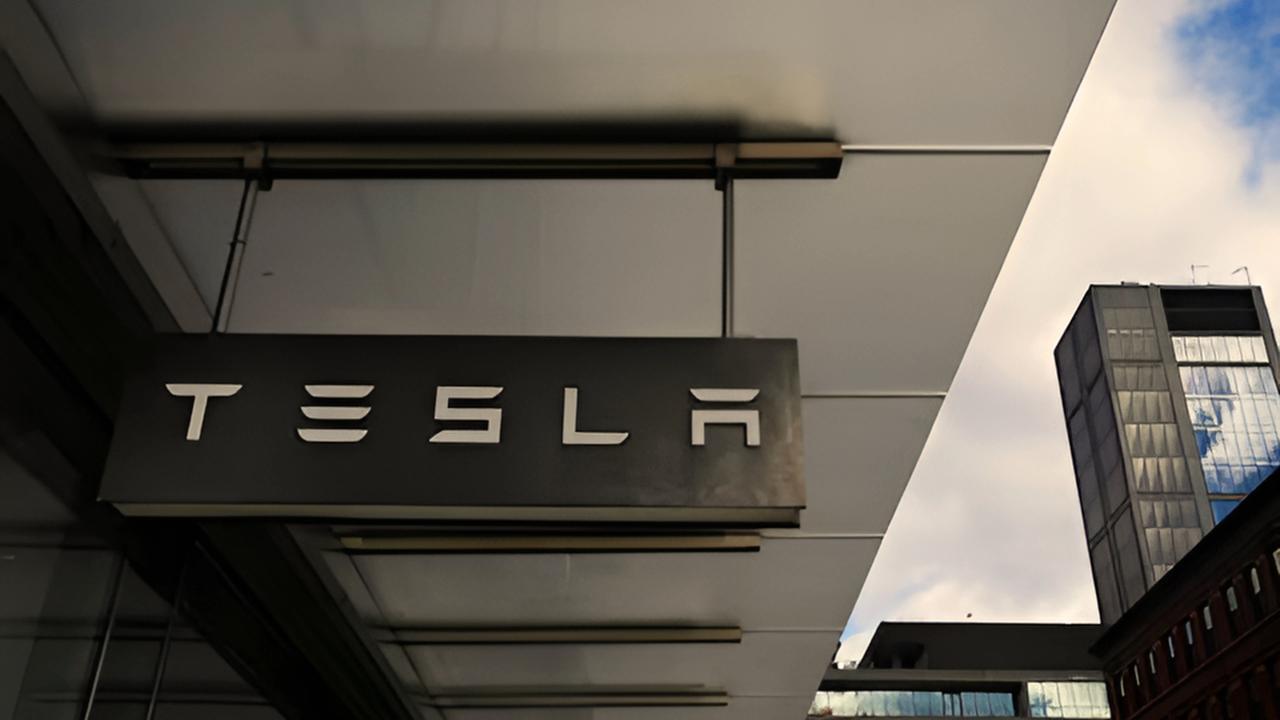
Tesla has announced a major restructuring of its global supply chain, unveiling a next-generation, AI-powered supplier management platform that targets Tier 2 and Tier 3 partners across Southeast Asia. This strategic overhaul centers on establishing digital automation hubs in Vietnam, Indonesia, and the Philippines, with the goal of transforming how components are tracked, sourced, and delivered to its Gigafactories across the globe.
This move signals Tesla’s deeper shift toward a decentralized, intelligence-led production model. While Tesla's Gigafactories in the U.S., Germany, China, and Mexico continue to handle core assembly and manufacturing, these Southeast Asian hubs are now being positioned as the backbone for component sourcing and subassembly management. The new system enables Tesla to manage thousands of suppliers in real-time, delivering a level of traceability and responsiveness that traditional ERP systems have struggled to achieve. Tesla’s internal teams report that this initiative has already reduced average component costs by 15 percent and significantly improved production timelines by minimizing disruptions and bottlenecks from lower-tier suppliers.
The AI-driven platform is a fusion of machine learning, blockchain-based traceability, and predictive logistics. It integrates seamlessly with local supplier networks, enabling real-time data flow on everything from raw material readiness to part delivery schedules. Vendors who once relied on spreadsheets or basic digital tools are now embedded in a smart ecosystem where lead times can be adjusted dynamically, risk can be flagged before it manifests, and order fulfillment can be rerouted instantly in the event of local disruptions.
Tesla’s vision, according to internal sources, is to evolve toward a fully responsive, self-regulating supply chain where delays are not just managed but anticipated and avoided altogether. The decentralized architecture of these automation hubs allows the company to scale its manufacturing resilience without having to rely entirely on Tier 1 vendors or singular geographic chokepoints. This comes as global OEMs across the EV industry continue to grapple with part shortages, geopolitical friction, and increasing scrutiny around sourcing ethics and transparency.
What sets Tesla’s platform apart is its human-machine collaboration layer. The interface allows supplier operators—many of whom have minimal digital training—to interact with the AI via multilingual prompts, voice commands, and automated alerts. This democratization of technology allows Tesla to onboard a diverse range of suppliers while ensuring uniform compliance with quality and delivery benchmarks.
In Indonesia, local electronics vendors have already begun fulfilling accelerated orders for infotainment submodules. In Vietnam, battery material processors are using the platform to optimize batch deliveries based on Gigafactory Nevada's energy storage forecast. The Philippines, with its strong base in wire harness production and chip assembly, is being used as a pilot site for predictive load balancing—shifting orders dynamically between regional vendors based on real-time constraints like port delays or workforce availability.
As competition in the global EV space tightens, Tesla’s supply chain play reflects not only a response to rising costs and complexity but also a bold bet on data-driven decentralization. Elon Musk has hinted in investor briefings that the future of Tesla’s manufacturing will rely heavily on intelligent automation—not just on the factory floor, but across the entire supplier ecosystem. This latest move brings that vision closer to reality.
With this launch, Tesla has transformed one of the most overlooked and chaotic layers of the supply chain—Tier 2 and Tier 3 operations—into a model of visibility, speed, and digital precision. In doing so, it is not just building cars more efficiently; it is redefining how the entire ecosystem behind those cars operates in the modern age.
Tesla, EV






Advances in Aerospace Technology and Commercial Aviation Recovery
Insights into breakthrough aerospace technologies and commercial aviation’s recovery amid 2025 chall

Defense Modernization and Strategic Spending Trends
Explore key trends in global defense modernization and strategic military spending shaping 2025 secu

Tens of Thousands Protest in Serbia on Anniversary of Deadly Roof Collapse
Tens of thousands in Novi Sad mark a year since a deadly station roof collapse that killed 16, prote

Canada PM Carney Apologizes to Trump Over Controversial Reagan Anti-Tariff Ad
Canadian PM Mark Carney apologized to President Trump over an Ontario anti-tariff ad quoting Reagan,

The ad that stirred a hornets nest, and made Canadian PM Carney say sorry to Trump
Canadian PM Mark Carney apologizes to US President Trump after a tariff-related ad causes diplomatic

Bengaluru-Mumbai Superfast Train Approved After 30-Year Wait
Railways approves new superfast train connecting Bengaluru and Mumbai, ending a 30-year demand, easi



