Post by : Avinab Raana
Photo : X / InsideEVs
Hyundai's Ioniq 3 Ushers in Next-Level In-Cabin Tech
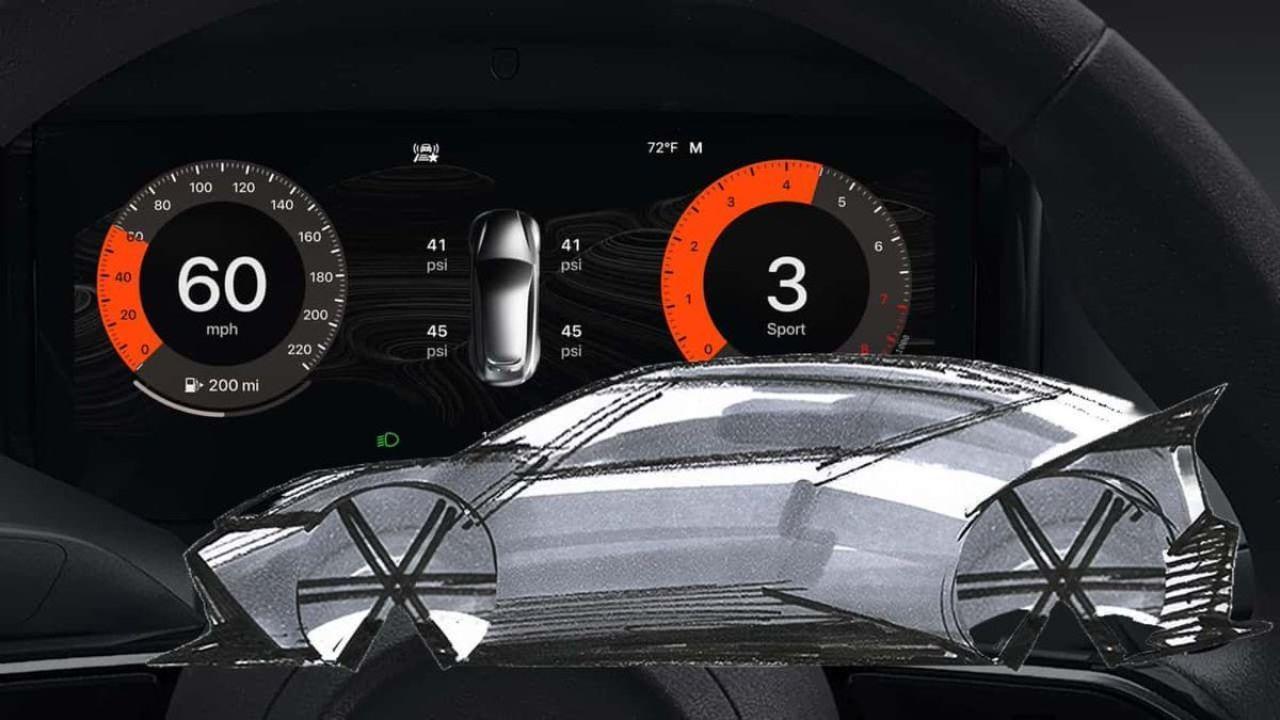
Hyundai is pushing boundaries with its upcoming subcompact Ioniq 3, set to enter production in 2026. What makes it stand out isn’t just size or efficiency, it’s the integration of Apple CarPlay Ultra, previously limited to high-end luxury machines. By bringing this advanced in-car interface to a mass-market EV, Hyundai signals its intent to democratize digital vehicle experiences, particularly with the Pleos OS offering deep connectivity and customization features.
CarPlay Ultra: Deep Integration, Expensive Tech, Now Affordable
Apple CarPlay Ultra takes Infotainment beyond mere screen mirroring—it fully controls instrument clusters, climate, and audio systems in a design language customized per model. Previously available only in ultra-premium cars, the Ioniq 3’s support for CarPlay Ultra means this futuristic feature may soon be as commonplace as tapping a seatbelt — but only if consumers demand it and tech stays affordable.
Pleos OS: Hyundai’s Smarter Digital Core
At the heart of the Ioniq 3’s smart cabin is Pleos OS, Hyundai’s next-gen vehicle software platform built on zonal architecture. Unlike fragmented legacy systems, Pleos powers seamless over-the-air updates and rich user personalization. The system embraces OTA customization—from theming to EV synthesized sound selection—essentially turning the car into a smartphone on wheels. It's designed not to age with the hardware, but to evolve over time.
Bridging Price Brackets with Premium Infotainment
Hyundai’s inclusion of CarPlay Ultra in the Ioniq 3—priced below €30,000—represents a deliberate affordability leap. Mass-market buyers will gain access to UI experiences once reserved for luxury segments. The Ioniq 3 aims to deliver premium digital features without a premium sticker, allowing Hyundai to compete on tech as well as economics.
Ioniq 3’s Design: Compact Yet Future-Ready
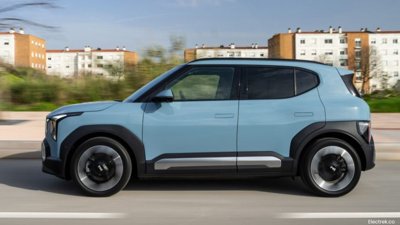
Built on Hyundai’s 400V E-GMP platform and assembled in Turkey, the Ioniq 3 delivers a sleek hatchback form with hot-hatch vibe—complete with ducktail spoiler and narrow bonnet-to-flank lights. With battery options of 58.3 kWh (around 260 miles WLTP) and 81.4 kWh (around 365 miles), it runs front-wheel drive and swoops 0-62 mph in under eight seconds. Compact, efficient, and tech-laden—it’s what smart urban EVs should aspire to be.
Choosing Pleos-open Over Legacy Constraints
Hyundai’s switch to a zonal architecture—underlying Pleos—reflects a critical strategic pivot. Instead of legacy brick systems with multiple domain controllers, fewer but more powerful nodes manage clusters of functions. The benefits? Faster data highways, simpler diagnosis, better OTA management, and future resilience. Adding CarPlay Ultra to this mix means users benefit from a seamless, enriched interface, all while future-proofing their vehicle.
User Personalization Meets Over-The-Air Sustainability
With Pleos and CarPlay Ultra, customization moves from design studios into end-user hands. Themes, soundscapes, even synthesized EV noises can be changed and downloaded—long after purchase. For second-hand buyers, this means a car that evolves with its next owner. Hyundai is shifting the narrative from cars as hardware to cars as living platforms.
A Power Play Against Legacy Luxury
Apple CarPlay Ultra’s rollout was limited, with brands like Mercedes-Benz, Audi, and Volvo stepping back. Hyundai’s early embrace is bold—positioning the Ioniq 3 as a leader among affordable EVs. If successful, the model could pressure others to rethink the balance between brand control and integrated customer experience.
Strategic Manufacturing: Turkey as a European Node
Producing the Ioniq 3 in Turkey allows Hyundai to avoid EU import costs, enhance local market responsiveness, and anchor its digital-first EV leadership in a European manufacturing hub. This tactical advantage lowers tariffs, accelerates delivery, and strengthens brand credibility in core regions.
A Market-First in Democratized Infotainment
With CarPlay Ultra arriving in this class of EV, Hyundai is rewriting expectations: next-gen in-car interfaces shouldn’t cost luxury premiums. The Ioniq 3 is poised to accelerate this trend, proving that future car interactions—personalized, powerful, smart—can reside in reasonable price tiers.
A Digital Hatchback That Redefines Value
The Ioniq 3 signals a shift: affordable, well-designed vehicles can carry next-gen digital systems. With Apple CarPlay Ultra, a high-def interface touches every screen. Coupled with Pleos OS, it becomes a continuously improving, deeply personalized driving companion. Hyundai is betting that smart, adaptable software—once the domain of luxury—can be just as vital in accessible EVs. If correct, this car will redefine not justwhat value means in mobility, but what driving feels like.
Ioniq 3, Apple CarPlay Ultra, Pleos OS





Advances in Aerospace Technology and Commercial Aviation Recovery
Insights into breakthrough aerospace technologies and commercial aviation’s recovery amid 2025 chall

Defense Modernization and Strategic Spending Trends
Explore key trends in global defense modernization and strategic military spending shaping 2025 secu

Tens of Thousands Protest in Serbia on Anniversary of Deadly Roof Collapse
Tens of thousands in Novi Sad mark a year since a deadly station roof collapse that killed 16, prote

Canada PM Carney Apologizes to Trump Over Controversial Reagan Anti-Tariff Ad
Canadian PM Mark Carney apologized to President Trump over an Ontario anti-tariff ad quoting Reagan,

The ad that stirred a hornets nest, and made Canadian PM Carney say sorry to Trump
Canadian PM Mark Carney apologizes to US President Trump after a tariff-related ad causes diplomatic

Bengaluru-Mumbai Superfast Train Approved After 30-Year Wait
Railways approves new superfast train connecting Bengaluru and Mumbai, ending a 30-year demand, easi



