Post by : Avinab Raana
Photo : X / @ramanmann1974
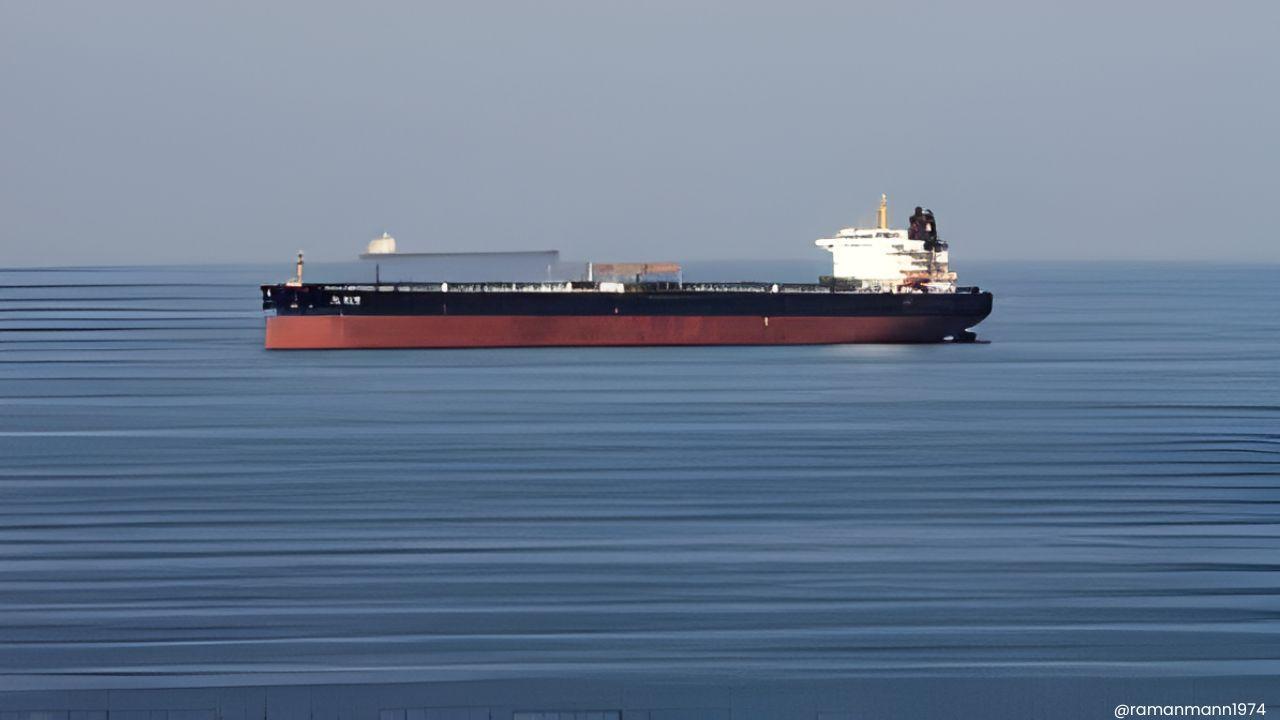
A critical maritime crisis is unfolding in the Strait of Hormuz, where more than 2.2 million tonnes of Indian oil and gas cargo have been stranded at sea. As tensions escalate across the Middle East, one of the world’s most vital energy corridors has turned into a choke point, disrupting the steady flow of fuel supplies to India.
A number of vessels carrying crude oil, liquefied petroleum gas, and liquefied natural gas are currently unable to pass through the narrow strait. Instead, these tankers are either anchored or circling nearby waters, waiting for conditions to stabilize before proceeding. This sudden pause has disrupted a normally high-volume shipping route, creating a growing backlog of energy cargo with no clear timeline for movement.
The Strait of Hormuz remains one of the most crucial chokepoints in global energy trade, handling a significant share of oil and gas shipments worldwide. Any disruption in this narrow passage instantly affects international markets and supply chains. For India, which depends heavily on Middle Eastern energy imports, the impact is immediate and far-reaching, putting pressure on both supply continuity and price stability.
With millions of tonnes of energy cargo stranded offshore, concerns are beginning to build over potential supply constraints. Essential sectors that rely on LPG and natural gas may face disruptions if the situation persists. Authorities and energy planners are closely monitoring the developments, preparing contingency measures to ensure that domestic demand is not severely affected.
The crisis has created a complex operating environment for shipping companies, where routine voyages now carry elevated risk. Rising insurance costs, uncertain transit routes, and security threats have forced operators to rethink their strategies. Many vessels are delaying entry into the strait altogether, further contributing to congestion and compounding the logistical challenge.
The stranding of such a massive volume of cargo highlights the vulnerability of global energy networks. A single disruption at a strategic chokepoint has the power to ripple across continents, affecting economies and industries alike. As the situation unfolds, the Hormuz bottleneck serves as a stark reminder that in an interconnected world, energy security depends not just on supply but on the stability of the routes that carry it.
Strait of Hormuz crisis, Indian energy cargo stranded, oil supply disruption 2026, LNG LPG tanker crisis, India energy imports, maritime bottleneck, global oil trade risk, Middle East shipping crisis






Advances in Aerospace Technology and Commercial Aviation Recovery
Insights into breakthrough aerospace technologies and commercial aviation’s recovery amid 2025 chall

Defense Modernization and Strategic Spending Trends
Explore key trends in global defense modernization and strategic military spending shaping 2025 secu

Tens of Thousands Protest in Serbia on Anniversary of Deadly Roof Collapse
Tens of thousands in Novi Sad mark a year since a deadly station roof collapse that killed 16, prote

Canada PM Carney Apologizes to Trump Over Controversial Reagan Anti-Tariff Ad
Canadian PM Mark Carney apologized to President Trump over an Ontario anti-tariff ad quoting Reagan,

The ad that stirred a hornets nest, and made Canadian PM Carney say sorry to Trump
Canadian PM Mark Carney apologizes to US President Trump after a tariff-related ad causes diplomatic

Bengaluru-Mumbai Superfast Train Approved After 30-Year Wait
Railways approves new superfast train connecting Bengaluru and Mumbai, ending a 30-year demand, easi



