Post by : Saif
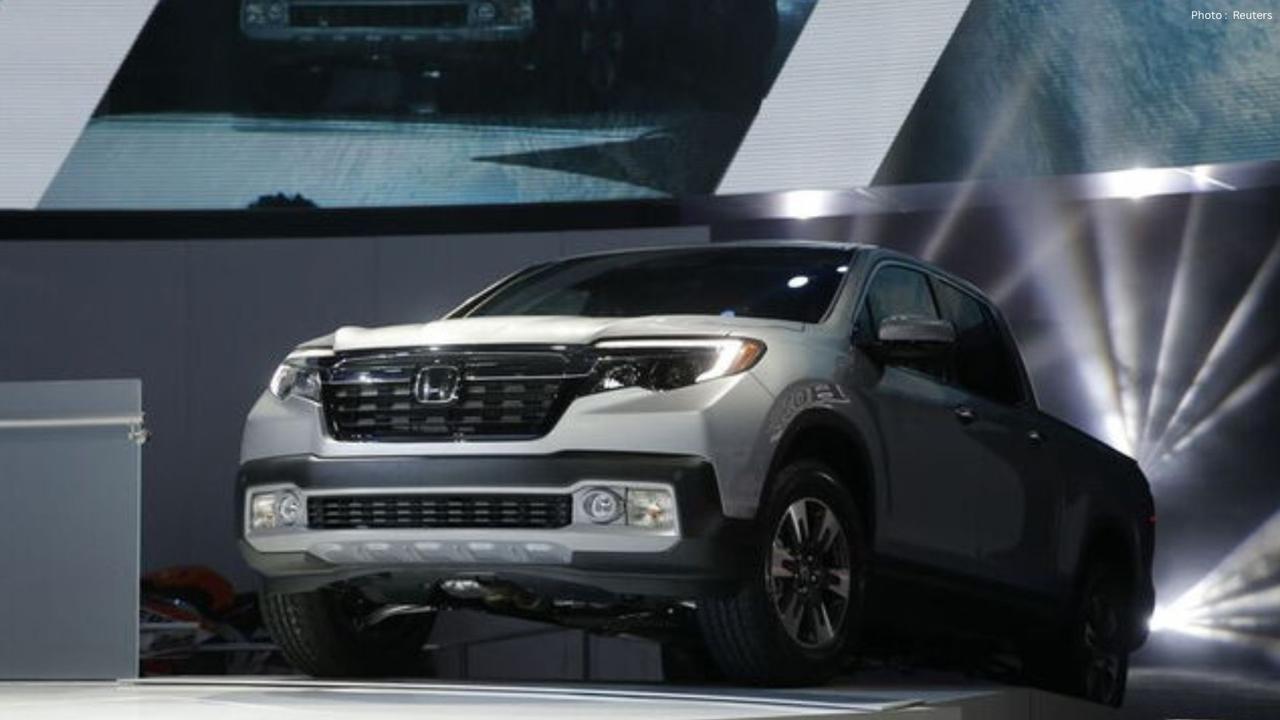
Honda Motor America has announced a major vehicle recall affecting more than 880,000 vehicles across the United States after regulators identified a potential problem involving rear suspension components. The safety action highlights the importance of regular vehicle inspections and demonstrates how automakers are increasingly focused on addressing defects before they result in serious accidents.
According to information released by the U.S. National Highway Traffic Safety Administration (NHTSA), the recall covers certain models of the Honda Pilot, Honda Ridgeline, Honda Passport, and Acura MDX. Regulators stated that some vehicles may experience failure of rear suspension parts, including components linked to vehicle stability and handling. If the problem occurs while driving, motorists could lose control of the vehicle, increasing the possibility of a crash or injury.
The suspension system plays a critical role in vehicle safety. It helps maintain tire contact with the road, improves ride quality, and supports stable steering. When a key component becomes damaged or fails, drivers may experience unusual vibrations, reduced control, or difficulty handling the vehicle during turns and emergency maneuvers. Because of these risks, safety regulators treat suspension-related defects with particular seriousness.
As part of the corrective action, dealerships will inspect the affected vehicles and examine the rear subframe. Technicians will install a reinforcement kit and, when necessary, repair or replace damaged components. Honda has stated that these repairs will be performed free of charge for owners, a standard practice for safety recalls in the automotive industry.
The recall serves as a reminder of the challenges faced by modern automobile manufacturers. Today's vehicles contain thousands of interconnected parts that must perform reliably under a wide range of conditions. Even a small weakness in a structural component can eventually develop into a larger safety concern if left unaddressed. For this reason, manufacturers continuously monitor warranty claims, customer reports, inspection findings, and regulatory data to identify potential issues.
Consumer safety remains one of the most important responsibilities for any automaker. Vehicle recalls can be costly and may affect public confidence, but they also demonstrate a company's willingness to correct problems before they lead to more serious consequences. Industry experts generally view timely recall actions as a necessary part of maintaining trust between manufacturers and customers.
The announcement comes during a period when automotive safety standards continue to evolve. Regulators around the world are placing greater emphasis on early defect detection, transparency, and rapid corrective measures. As vehicles become more technologically advanced, manufacturers face increasing pressure to maintain high levels of quality control throughout production and long-term operation.
For affected vehicle owners, the recall means taking proactive steps to ensure their vehicles remain safe. Drivers are encouraged to check whether their vehicle is included in the recall and schedule an inspection as soon as possible. Addressing safety concerns early can help prevent potential problems and reduce the likelihood of accidents caused by mechanical failures.
The broader automotive sector has witnessed numerous recall campaigns in recent years involving airbags, braking systems, electrical components, steering mechanisms, and suspension parts. These actions reflect both the complexity of modern vehicles and the effectiveness of safety monitoring systems designed to identify risks before widespread incidents occur. Consumers benefit when manufacturers and regulators work together to address concerns quickly and transparently.
The financial impact of a recall of this size can be significant. Costs associated with inspections, replacement parts, labor, and customer communication often reach millions of dollars. However, industry analysts frequently note that the long-term cost of ignoring a safety issue could be far greater, both financially and reputationally.
While large recalls can create temporary concern among consumers, they also demonstrate the strength of modern vehicle safety oversight. The ability to identify defects, notify owners, and provide repairs helps reduce risks and improve overall road safety. Such actions contribute to a transportation system that places public protection above short-term business considerations.
Honda's decision to recall more than 880,000 vehicles underscores the importance of preventive safety measures in today's automotive industry. By addressing the rear suspension issue and offering free repairs, the company aims to reduce potential hazards and maintain confidence among drivers. The situation serves as another example of how ongoing monitoring, regulatory oversight, and manufacturer accountability remain essential for protecting motorists and ensuring safer roads for everyone.
#trending #latest #Honda #HondaRecall #VehicleRecall #AutoNews #CarSafety #RoadSafety #HondaPilot #HondaPassport #HondaRidgeline #AcuraMDX #SuspensionIssue #AutomotiveIndustry #USNews #ConsumerSafety #NHTSA






Advances in Aerospace Technology and Commercial Aviation Recovery
Insights into breakthrough aerospace technologies and commercial aviation’s recovery amid 2025 chall

Defense Modernization and Strategic Spending Trends
Explore key trends in global defense modernization and strategic military spending shaping 2025 secu

Tens of Thousands Protest in Serbia on Anniversary of Deadly Roof Collapse
Tens of thousands in Novi Sad mark a year since a deadly station roof collapse that killed 16, prote

Canada PM Carney Apologizes to Trump Over Controversial Reagan Anti-Tariff Ad
Canadian PM Mark Carney apologized to President Trump over an Ontario anti-tariff ad quoting Reagan,

The ad that stirred a hornets nest, and made Canadian PM Carney say sorry to Trump
Canadian PM Mark Carney apologizes to US President Trump after a tariff-related ad causes diplomatic

Bengaluru-Mumbai Superfast Train Approved After 30-Year Wait
Railways approves new superfast train connecting Bengaluru and Mumbai, ending a 30-year demand, easi



