Post by : Saif
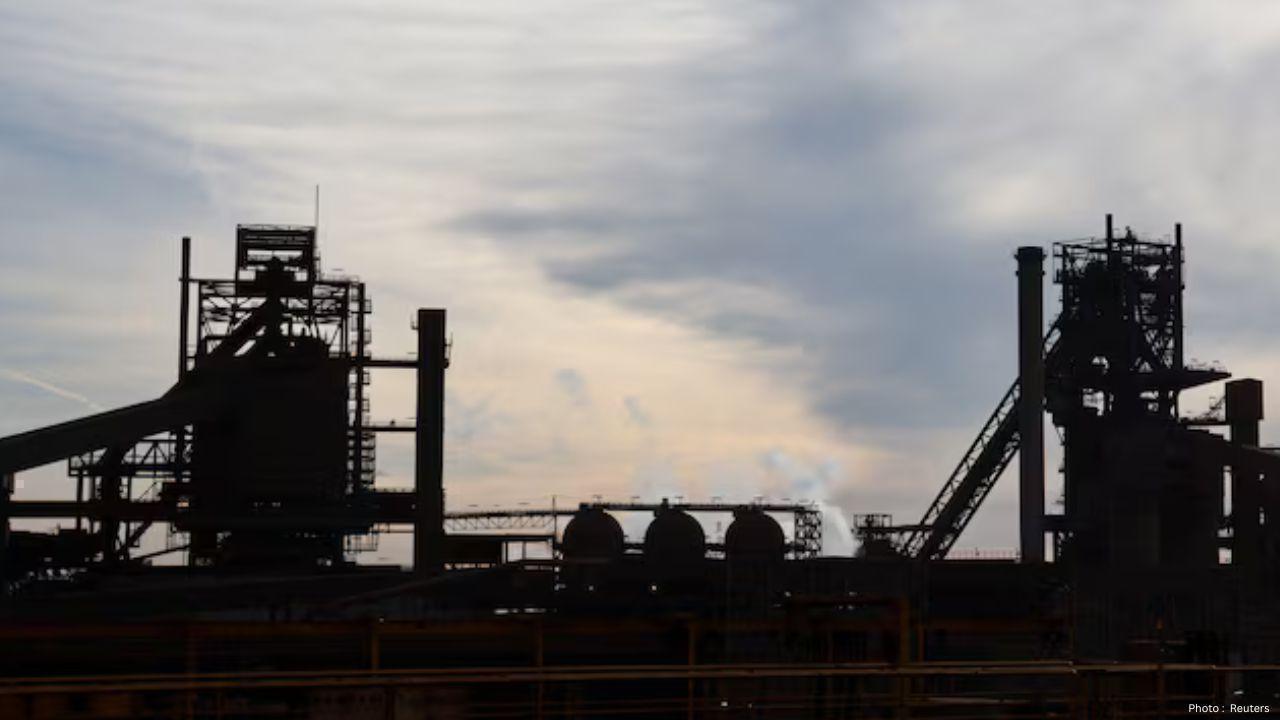
Germany recorded a sharp decline in industrial orders during April, highlighting ongoing pressure on the country's manufacturing sector and raising concerns about economic growth. New data showed that incoming orders fell by 3.8 percent compared with the previous month, a larger drop than many economists had expected. The figures have renewed debate about the strength of Europe's largest economy and the challenges facing businesses in an increasingly uncertain global market.
Industrial orders are considered one of the most important indicators of future economic activity. They measure the number of new contracts received by factories and manufacturers for products such as machinery, vehicles, electronics, industrial equipment, and other goods. Strong order books often signal higher production levels in the coming months, while weaker demand can point to slower economic activity ahead.
The latest figures suggest that many businesses remain cautious despite signs of stability in some areas of the economy. Companies across various industries continue to face uncertainty regarding future demand, investment decisions, and international market conditions. As a result, many firms are delaying large purchases and reducing spending plans until economic conditions become clearer.
Manufacturing remains a cornerstone of the German economy. The nation has built its global reputation on high-quality engineering, advanced machinery, automobile production, chemical manufacturing, and industrial technology. Millions of jobs depend directly or indirectly on these sectors, making factory performance a key factor in the country's overall economic health.
A decline in industrial orders often reflects broader concerns among businesses and consumers. Companies are less likely to place large orders when they are uncertain about future sales or market conditions. This cautious approach can affect production schedules, hiring plans, and long-term investment projects. When demand weakens for an extended period, the impact can spread across multiple industries.
Global economic conditions continue to play an important role in shaping manufacturing activity. Many international markets are dealing with slower growth, trade uncertainties, and geopolitical tensions. These factors can reduce demand for industrial products and affect export-driven economies. Since Germany relies heavily on overseas sales, any slowdown in foreign markets can quickly influence domestic business performance.
Export activity remains especially important for German manufacturers. Products made in the country are sold across Europe, Asia, North America, and many other regions. Industries producing vehicles, industrial machinery, and engineering equipment depend on strong international demand to maintain growth. When customers abroad become more cautious, factories often feel the effects through declining orders.
The automotive sector is also undergoing a period of major transformation. Manufacturers are investing heavily in electric vehicles, battery technology, software development, and environmentally friendly production methods. While these changes are necessary to remain competitive in the future, they also create short-term challenges as companies adjust to new technologies and changing consumer preferences.
Energy costs continue to influence industrial performance as well. Although prices have become more stable compared with the height of the energy crisis, many businesses still face operating expenses that remain above historical averages. Higher costs can reduce profit margins and limit a company's ability to expand production or make new investments.
Another important issue is business confidence. Economic growth often depends on companies feeling secure enough to invest in equipment, hire workers, and pursue expansion plans. When uncertainty dominates decision-making, businesses tend to adopt a cautious strategy. The recent decline in orders suggests that many firms remain careful about committing resources in the current environment.
Financial markets closely monitor manufacturing data because it provides an early signal of future economic trends. Investors often use industrial order figures to assess the strength of business activity and predict upcoming production levels. Weaker numbers can raise concerns about growth prospects, while stronger results may improve confidence among market participants.
Despite the disappointing April figures, economists caution against focusing solely on one month of data. Industrial orders can fluctuate because of large contracts, seasonal influences, and temporary market conditions. A significant order placed in one month can lead to a sharp increase, while the absence of similar contracts in the following month may produce a decline. For this reason, analysts typically examine longer-term trends before drawing conclusions.
Government officials and business leaders continue to support measures aimed at strengthening economic performance. Investments in infrastructure, digital technology, clean energy, research, and innovation are viewed as important tools for maintaining competitiveness. Many experts believe that these efforts can help businesses adapt to changing global conditions and create new opportunities for growth.
The impact of Germany's manufacturing performance extends well beyond its borders. As Europe's largest economy, the country plays a central role in regional trade and industrial supply chains. Companies across the continent depend on orders from German manufacturers, making developments in the sector important for neighboring economies as well.
Emerging industries may also provide reasons for optimism. Advances in artificial intelligence, automation, renewable energy, and advanced manufacturing technologies are creating new opportunities for industrial growth. Businesses that successfully adapt to these changes may find new markets and strengthen their competitive position in the years ahead.
Germany's latest industrial order figures highlight the challenges facing manufacturers in a complex global environment. Slower demand, cautious business sentiment, international uncertainty, and elevated operating costs have combined to create difficult conditions for many companies. At the same time, the country's strong industrial foundation, skilled workforce, and commitment to innovation continue to offer important advantages.
Future economic reports will provide a clearer picture of whether the April decline represents a temporary setback or part of a broader trend. For now, the data serves as a reminder that economic recovery remains uneven and that maintaining growth will require continued investment, adaptability, and confidence from businesses and consumers alike.
#trending #latest #GermanyEconomy #IndustrialOrders #ManufacturingSector #GermanIndustry #EconomicGrowth #BusinessNews #EuropeanEconomy #FactoryOrders #GlobalTrade #EconomicOutlook #IndustryNews








Advances in Aerospace Technology and Commercial Aviation Recovery
Insights into breakthrough aerospace technologies and commercial aviation’s recovery amid 2025 chall

Defense Modernization and Strategic Spending Trends
Explore key trends in global defense modernization and strategic military spending shaping 2025 secu

Tens of Thousands Protest in Serbia on Anniversary of Deadly Roof Collapse
Tens of thousands in Novi Sad mark a year since a deadly station roof collapse that killed 16, prote

Canada PM Carney Apologizes to Trump Over Controversial Reagan Anti-Tariff Ad
Canadian PM Mark Carney apologized to President Trump over an Ontario anti-tariff ad quoting Reagan,

The ad that stirred a hornets nest, and made Canadian PM Carney say sorry to Trump
Canadian PM Mark Carney apologizes to US President Trump after a tariff-related ad causes diplomatic

Bengaluru-Mumbai Superfast Train Approved After 30-Year Wait
Railways approves new superfast train connecting Bengaluru and Mumbai, ending a 30-year demand, easi



