Post by : Amit
Safer Seas: Fiji to Launch High-Tech Ship Tracking Initiative
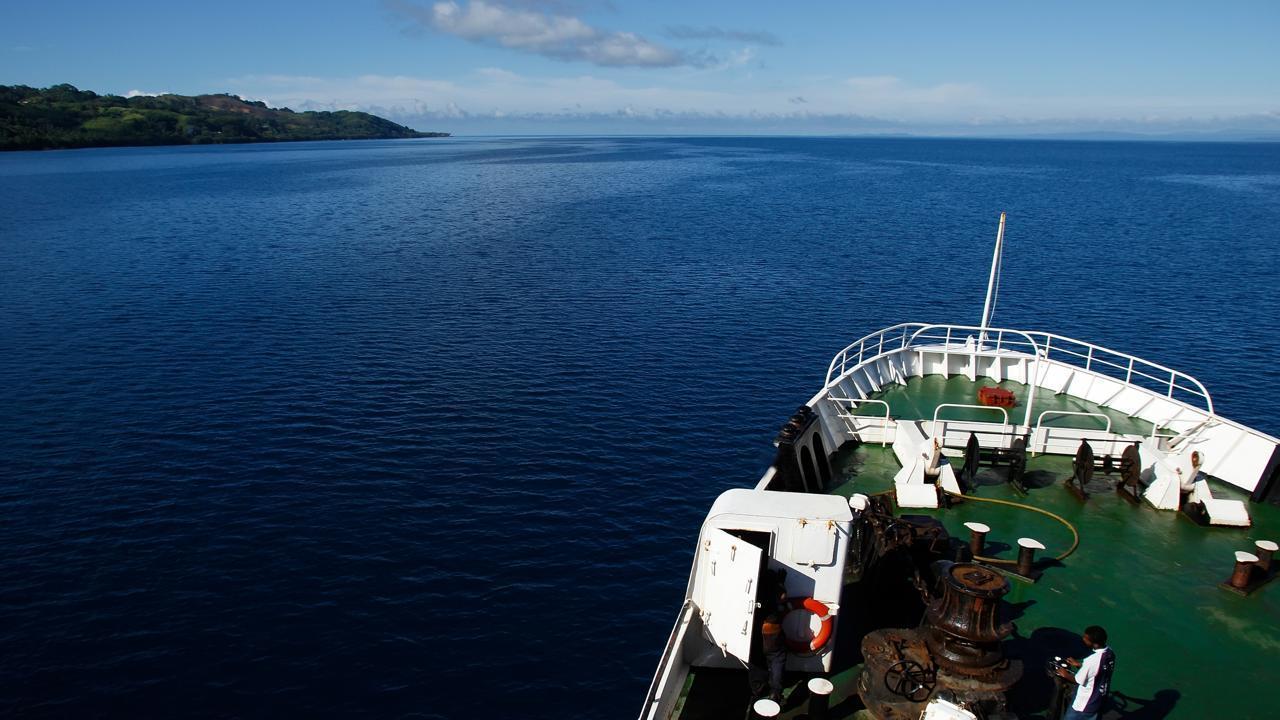
In a landmark push toward modernizing maritime safety, the Fijian government has unveiled plans to equip the country’s ships with state-of-the-art vessel tracking systems. This new initiative, led by the Maritime Safety Authority of Fiji (MSAF), is designed to boost real-time monitoring of vessels, reduce risks at sea, and align the country’s maritime operations with global safety standards.
The announcement signals Fiji’s growing commitment to maritime technology and regional leadership in ocean safety. With more than 100 inhabited islands and a vast ocean territory, maritime transport is the country’s economic and cultural lifeline. Now, with advanced tracking tools, that lifeline is set to become safer, smarter, and more secure.
Why Tracking Matters: A Maritime Lifesaver
In recent years, Fiji’s maritime sector has faced multiple challenges — from overloaded vessels and unpredictable weather to delayed emergency response times. While the country has made steady progress in improving shipping regulations, gaps in real-time vessel monitoring have remained.
According to MSAF Acting Chief Executive Joeli Cawaki, the new technology will allow authorities to track ships across the archipelago 24/7, instantly alerting maritime authorities if a vessel goes off course, loses signal, or enters hazardous zones.
“Safety is a shared responsibility,” Cawaki told local media. “By equipping our ships with this system, we’ll not only be able to respond faster to distress situations but also prevent them in the first place.”
The Technology: What’s Being Installed?
The systems being introduced are based on Automatic Identification System (AIS) technology — the same kind used by large commercial ships around the world. These tracking units continuously transmit a vessel’s location, speed, heading, and other data via satellite or terrestrial receivers.
But the Fijian initiative goes a step further.
Officials confirmed that the new tracking kits are custom-built for Fiji’s domestic vessels, including inter-island ferries, fishing boats, and cargo ships that do not traditionally fall under international tracking mandates. The systems will include:
This will enable the MSAF, Navy, and search and rescue units to coordinate efforts much more efficiently when incidents occur.
Rolling Out Across the Fleet
The new vessel tracking systems will be installed in phases, starting with higher-risk zones and busier domestic routes.
Phase 1 will cover vessels operating between major hubs such as:
These areas have some of the most active passenger and cargo routes — and also some of the most complex maritime navigation challenges, including reef zones, narrow passages, and shifting weather patterns.
“We are prioritizing routes with the most frequent sailings and the highest number of passengers,” said Cawaki. “But our ultimate goal is full national coverage.”
MSAF is working closely with the Ministry of Transport and international maritime partners to finalize procurement and training processes. Authorities expect the first batch of systems to be operational by early 2026.
Preventing Disasters Before They Happen
This tracking initiative is not just about modernizing — it’s about saving lives.
In the past decade, Fiji has experienced multiple maritime accidents, including vessel sinkings, groundings, and disappearances due to poor weather or mechanical failures. Some of these incidents have led to tragic losses of life.
Many of these events occurred in areas with poor communication infrastructure, where search and rescue teams were delayed due to a lack of information about the vessel’s last known position.
With real-time tracking, emergency responders will know exactly where to go and what they’re dealing with. This will drastically improve the odds of successful rescues and could reduce fatalities in future emergencies.
Global Standards, Local Impact
The new vessel tracking program also brings Fiji into alignment with international maritime safety protocols, including guidelines set by the International Maritime Organization (IMO).
Under the IMO’s SOLAS (Safety of Life at Sea) Convention, ships over a certain size and class must carry AIS transponders. While most of Fiji’s domestic vessels fall below that threshold, MSAF’s move to install tracking systems voluntarily demonstrates a forward-thinking, proactive approach.
This also opens the door for stronger partnerships with regional neighbors, such as Australia and New Zealand, both of whom have expressed interest in supporting Pacific island nations with maritime technology transfers.
Training the Operators: A Human Factor Priority
Technology alone isn’t enough — people need to know how to use it effectively. That’s why MSAF has also launched a training program for ship captains, crew members, and port operators to learn how the new tracking systems work.
Workshops and hands-on sessions will begin in Q4 of 2025, covering:
Cawaki emphasized that the goal isn’t just to monitor ships from a control room, but to empower vessel operators to take ownership of safety. “This is a team effort,” he said. “Technology works best when people are confident using it.”
Broader Benefits for the Economy
Beyond safety, the new tracking systems are expected to bring a host of economic and operational benefits for Fiji’s maritime sector.
A Pacific Model in the Making?
Fiji’s tracking initiative could soon become a model for other Pacific Island nations, many of which share similar challenges — scattered island geography, limited SAR infrastructure, and overworked maritime enforcement agencies.
The Pacific Islands Forum, which includes 18 countries and territories, has placed maritime safety on its regional agenda. With Fiji leading by example, it’s possible that similar systems could roll out in Tonga, Samoa, Kiribati, and the Solomon Islands over the coming years.
Already, the International Maritime Safety Agency of the Pacific (IMSAP) has expressed interest in evaluating Fiji’s system as a potential blueprint for regional scale-up.
The Challenges
Of course, any major tech rollout comes with hurdles. Among the challenges Fiji may face are:
Government officials say they are prepared to tackle these issues and are exploring partnerships with regional development banks and maritime NGOs for ongoing support.
A Safer, Smarter Future for Fiji's Seas
With this ambitious vessel tracking plan, Fiji is making a bold statement: maritime safety is not negotiable. In a nation where boats are as essential as buses, ensuring every voyage is traceable and secure is a major leap toward saving lives and enhancing public trust.
By investing in high-tech solutions and empowering its seafarers, Fiji is not only protecting its own waters but also charting a course for smarter, safer maritime governance across the Pacific.
The sea will always be unpredictable. But with the right tools and teamwork, navigating it doesn’t have to be dangerous.
Matrintime, Smart ports







Advances in Aerospace Technology and Commercial Aviation Recovery
Insights into breakthrough aerospace technologies and commercial aviation’s recovery amid 2025 chall

Defense Modernization and Strategic Spending Trends
Explore key trends in global defense modernization and strategic military spending shaping 2025 secu

Tens of Thousands Protest in Serbia on Anniversary of Deadly Roof Collapse
Tens of thousands in Novi Sad mark a year since a deadly station roof collapse that killed 16, prote

Canada PM Carney Apologizes to Trump Over Controversial Reagan Anti-Tariff Ad
Canadian PM Mark Carney apologized to President Trump over an Ontario anti-tariff ad quoting Reagan,

The ad that stirred a hornets nest, and made Canadian PM Carney say sorry to Trump
Canadian PM Mark Carney apologizes to US President Trump after a tariff-related ad causes diplomatic

Bengaluru-Mumbai Superfast Train Approved After 30-Year Wait
Railways approves new superfast train connecting Bengaluru and Mumbai, ending a 30-year demand, easi



