Post by : Saif
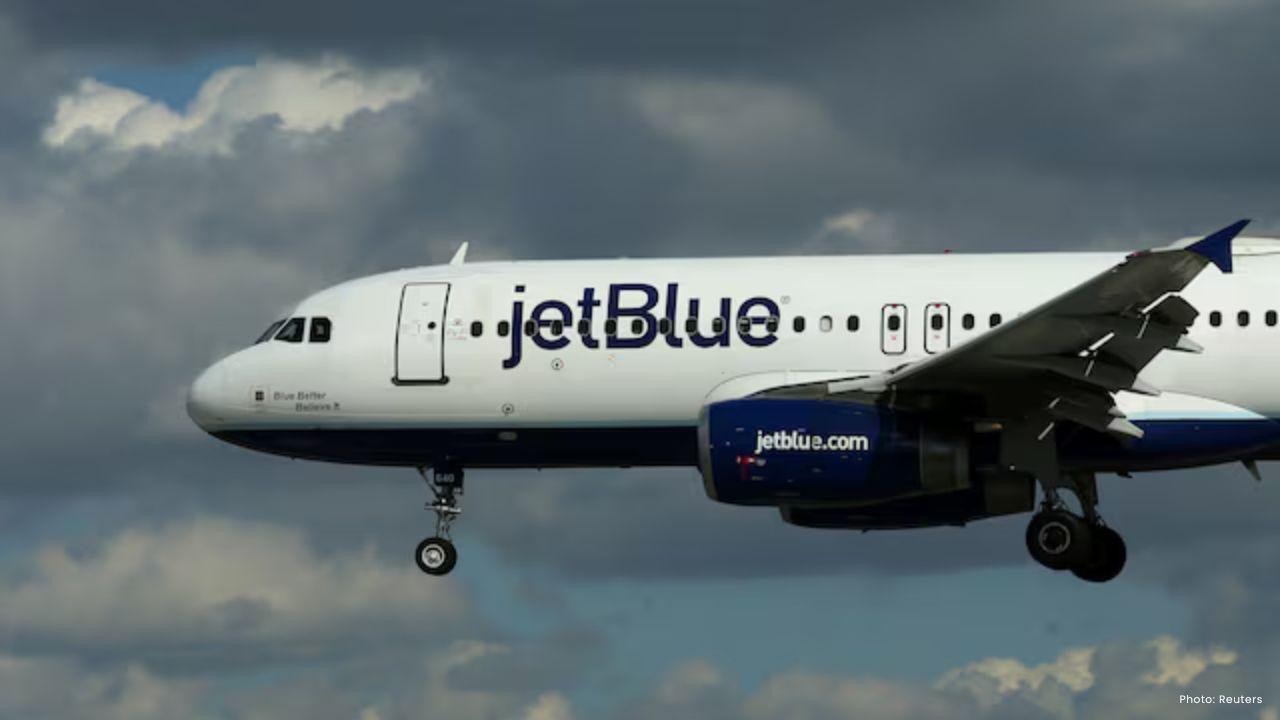
Air travel in the United States experienced sudden disruption after the Federal Aviation Administration (FAA) issued a ground stop for all aircraft operated by JetBlue Airways. The order temporarily stopped JetBlue flights from departing across the country and quickly caught the attention of passengers, aviation experts, and airport authorities.
The FAA confirmed that the ground stop was issued after JetBlue itself requested the measure. Officials did not immediately provide details about the exact reason for the request, and the airline also did not release a detailed explanation at the time the order was announced.
A ground stop is a safety step used by aviation authorities to temporarily prevent aircraft from taking off. This type of measure is usually taken when airlines or regulators need time to investigate a technical problem, review safety systems, or manage operational issues. During a ground stop, planes already in the air are normally allowed to continue their flights safely to their destinations, but new departures are paused.
The order applied to all JetBlue flights heading to any destination. Because JetBlue is one of the major airlines in the United States, the decision quickly affected airports and passengers in many cities.
JetBlue Airways is based in New York and operates hundreds of flights every day. The airline serves major airports such as John F. Kennedy International Airport in New York, Boston Logan International Airport, and Fort Lauderdale-Hollywood International Airport. It also operates routes across North America, the Caribbean, and parts of Latin America.
Because of this large network, even a short disruption can cause delays across multiple airports. Travelers waiting to board JetBlue flights may experience schedule changes or cancellations until the situation is resolved.
In aviation, safety procedures are extremely strict. Airlines and regulators follow detailed rules designed to prevent accidents and protect passengers. If there is any sign of a possible problem, even if it seems small, airlines may decide to pause operations until experts review the situation.
Ground stops are one of the tools used to manage such situations. They allow engineers, technicians, and aviation authorities to investigate issues while preventing new flights from taking off.
There are several reasons why a ground stop might be requested. Sometimes the cause is a technical issue involving aircraft systems or communication networks. In other cases, weather conditions, software problems, or operational difficulties can lead to temporary suspensions of flights.
Airline operations are complex and involve many moving parts. Aircraft must be properly maintained, flight crews must be scheduled, and airports must coordinate closely with air traffic controllers. A disruption in any part of this system can affect the entire network.
When an airline requests a ground stop, it usually means the company wants to make sure everything is working correctly before allowing flights to continue. This cautious approach helps reduce risks and keeps passengers safe.
Passengers often feel the effects of these decisions first. Travelers at airports may face long waits, delayed departures, or last-minute changes to their travel plans. Airlines usually try to help passengers by rebooking flights or offering alternative arrangements whenever possible.
Although delays can be frustrating, aviation experts often remind travelers that safety decisions are always the top priority in air travel. The aviation industry is known for taking preventive action quickly to avoid larger problems later.
The FAA plays a central role in overseeing aviation safety in the United States. The agency works closely with airlines, airports, and air traffic controllers to maintain safe operations across one of the busiest airspace systems in the world.
Every day, thousands of aircraft take off and land across the country. Coordinating this activity requires constant monitoring and strong safety rules. When something unusual happens, authorities can respond quickly using measures like ground stops.
Situations like the JetBlue ground stop highlight how carefully aviation systems are managed. Even a brief pause in operations can involve detailed investigations by engineers and safety experts.
While the exact cause of this ground stop was not immediately clear, aviation authorities and the airline are likely working behind the scenes to identify and resolve the issue. Once the situation is addressed, flights are expected to gradually return to normal schedules.
Events like this also show how important safety culture is in aviation. Airlines and regulators are trained to act quickly whenever something unexpected happens. The goal is always to protect passengers, crew members, and aircraft.
For travelers, the temporary disruption may cause inconvenience, but it also demonstrates the strong safety procedures that exist within the global aviation system. The ability to stop flights quickly when needed is one of the ways the industry keeps air travel among the safest forms of transportation.
As more information becomes available, passengers and aviation observers will learn more about what caused the disruption. For now, the priority remains ensuring that every aircraft, system, and operation is working safely before flights fully resume.
#trending #latest #armustnews #JetBlue #FAA #AviationNews #FlightGroundStop #AirTravel #AirlineIndustry #USNews #TravelDisruption #AviationSafety








Advances in Aerospace Technology and Commercial Aviation Recovery
Insights into breakthrough aerospace technologies and commercial aviation’s recovery amid 2025 chall

Defense Modernization and Strategic Spending Trends
Explore key trends in global defense modernization and strategic military spending shaping 2025 secu

Tens of Thousands Protest in Serbia on Anniversary of Deadly Roof Collapse
Tens of thousands in Novi Sad mark a year since a deadly station roof collapse that killed 16, prote

Canada PM Carney Apologizes to Trump Over Controversial Reagan Anti-Tariff Ad
Canadian PM Mark Carney apologized to President Trump over an Ontario anti-tariff ad quoting Reagan,

The ad that stirred a hornets nest, and made Canadian PM Carney say sorry to Trump
Canadian PM Mark Carney apologizes to US President Trump after a tariff-related ad causes diplomatic

Bengaluru-Mumbai Superfast Train Approved After 30-Year Wait
Railways approves new superfast train connecting Bengaluru and Mumbai, ending a 30-year demand, easi



