Post by : Avinab Raana
Photo : X / @JulehMobility
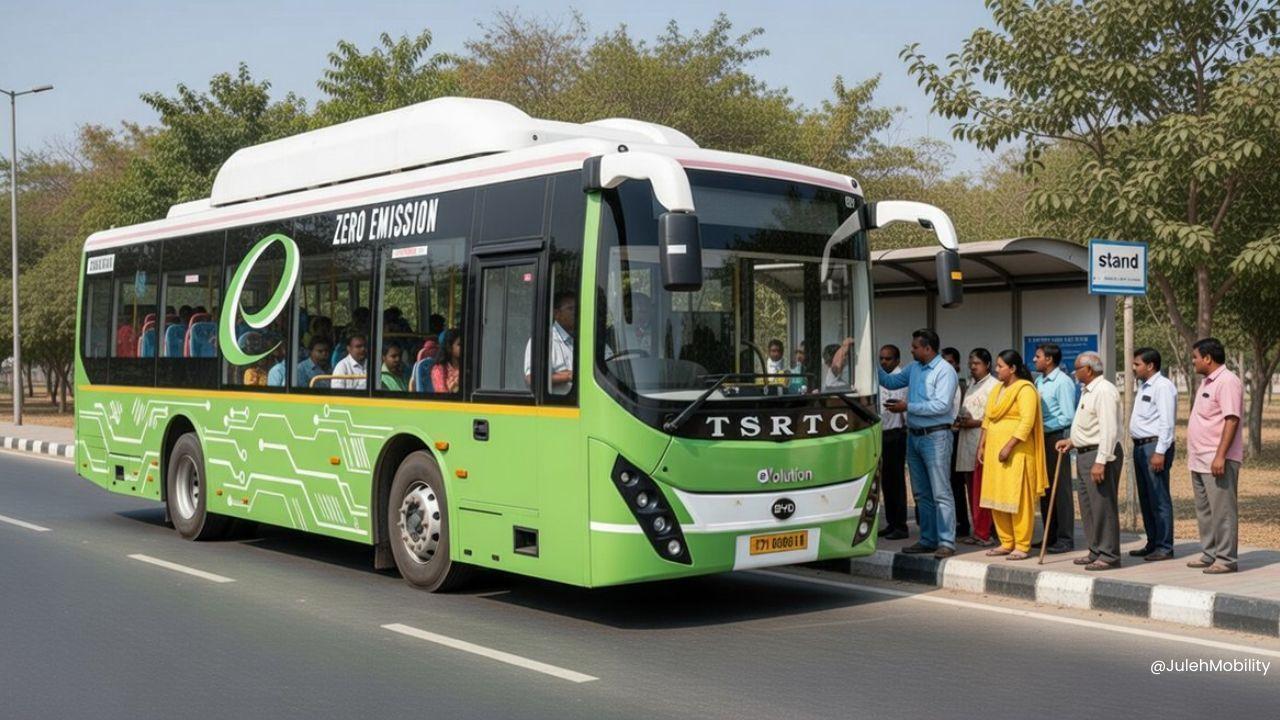
Delhi is gearing up to transform the way its residents move within neighbourhoods and congested colonies by rolling out 500 mini electric buses by 2027–28, a bold initiative aimed at strengthening last-mile connectivity boost across the city’s sprawling urban fabric. This ambitious expansion of the capital’s electric mobility fleet underscores the government’s commitment to tackling air pollution, reducing reliance on private vehicles, and creating a more inclusive, sustainable transit ecosystem.
The new deployment will bolster Delhi’s existing public transport grid by bringing affordable, zero-emission transit closer to residential pockets where larger buses struggle to operate efficiently. For daily commuters, students, senior citizens and informal sector workers, the arrival of mini electric buses promises easier access to metro stations, transit hubs and commercial centres without the added burden of long walks or costly intermediate transport.
Congested lanes, narrow streets and high last-mile demand have long posed challenges for traditional bus operations in Delhi’s densely populated colonies. Mini electric buses nimble, quieter and emissions-free are ideally suited to these environments. By offering frequent, reliable services in areas previously underserved by larger buses, the initiative aims to reduce local car trips and enhance overall urban electric mobility in the national capital.
Authorities are positioning the programme as a leap toward a more equitable transit network one that prioritises accessibility and environmental responsibility. The new fleet is expected to integrate seamlessly with existing transport services, including metro lines, feeder routes and app-based last-mile solutions, creating a cohesive mobility experience for passengers.
Delhi has been at the forefront of India’s battle against air pollution. Last-mile transport solutions like mini electric buses align with the city’s broader climate and health objectives by cutting tailpipe emissions and reducing particulate matter in residential zones. The shift toward electric buses also complements national priorities under India’s sustainable mobility framework, encouraging wider adoption of electrified fleets across urban centres.
City officials note that mini electric buses will not only reduce pollution but also lower operational noise levels, making neighbourhood streets more livable. As these buses replace short car and motorcycle trips, residents may experience smoother, cleaner journeys with fewer environmental drawbacks.
Delhi’s transport authorities have outlined plans for phased deployment, with prioritised routes in high-density residential areas, transit feeder corridors and school/office clusters. Each bus is expected to be equipped with modern amenities, digital ticketing systems and real-time tracking features to enhance passenger convenience. Training programmes for drivers and support staff are also underway to ensure safe and effective operations from day one.
Passengers can look forward to frequent services that reduce wait times a critical factor in encouraging commuters to shift away from private vehicles. Urban planners believe that visible and reliable last-mile electric bus services can reshape travel behaviour over time, fostering a culture that favours shared, sustainable transport.
As Delhi accelerates its transition to electric mobility, the addition of 500 mini electric buses by 2027–28 marks a transformative chapter in the city’s transit evolution. By addressing gaps in last-mile connectivity and expanding the reach of clean transport options, the capital is setting a precedent for other metropolitan regions seeking to balance growth with sustainability. For residents and daily commuters, these buses represent not just a new fleet but a promise of easier journeys, lower emissions and a more connected city.
mini electric buses, last-mile connectivity boost, Delhi EV fleet expansion






Advances in Aerospace Technology and Commercial Aviation Recovery
Insights into breakthrough aerospace technologies and commercial aviation’s recovery amid 2025 chall

Defense Modernization and Strategic Spending Trends
Explore key trends in global defense modernization and strategic military spending shaping 2025 secu

Tens of Thousands Protest in Serbia on Anniversary of Deadly Roof Collapse
Tens of thousands in Novi Sad mark a year since a deadly station roof collapse that killed 16, prote

Canada PM Carney Apologizes to Trump Over Controversial Reagan Anti-Tariff Ad
Canadian PM Mark Carney apologized to President Trump over an Ontario anti-tariff ad quoting Reagan,

The ad that stirred a hornets nest, and made Canadian PM Carney say sorry to Trump
Canadian PM Mark Carney apologizes to US President Trump after a tariff-related ad causes diplomatic

Bengaluru-Mumbai Superfast Train Approved After 30-Year Wait
Railways approves new superfast train connecting Bengaluru and Mumbai, ending a 30-year demand, easi



