Post by : Avinab Raana
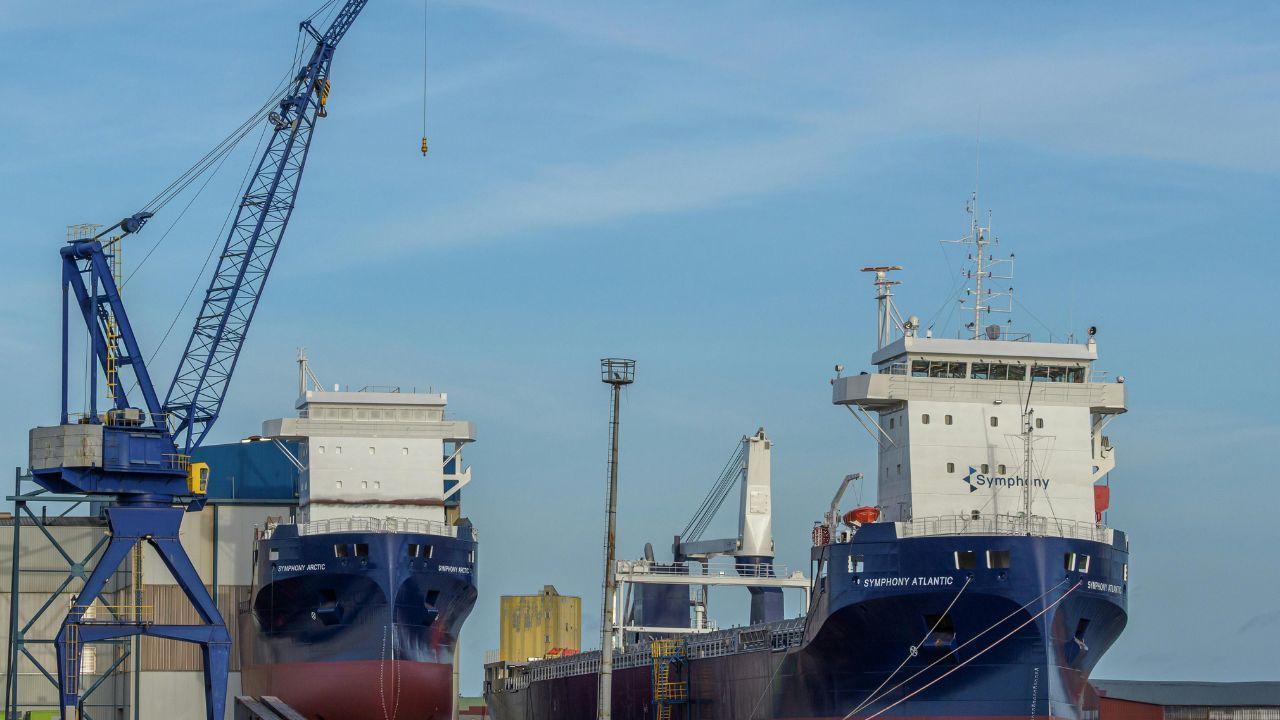
India’s maritime sector is witnessing a decisive shift towards self-reliance as the Dredging Corporation of India (DCI) has made it clear that all future dredger orders will be placed exclusively with Indian shipyards. This announcement is more than a procurement decision—it reflects a broader national strategy aligned with the “Make in India” and “Atmanirbhar Bharat” initiatives. At a time when global supply chains are under constant pressure, this move reinforces India’s intent to strengthen its domestic shipbuilding ecosystem and reduce dependency on foreign yards.
The announcement comes in the backdrop of industry concerns surrounding DCI’s recent memorandum of understanding with Colombo Dockyard. While the agreement includes collaboration for repair and maintenance, the company has categorically clarified that shipbuilding activities especially new dredger construction will remain firmly within India. This distinction is critical, as it reassures domestic shipbuilders that strategic investments and future orders will continue to support local industry growth rather than being diverted overseas.
The scale of this commitment is substantial. DCI is planning to build a fleet of new-generation dredgers as part of a broader modernisation strategy valued at around ₹4,000 crore. This includes multiple high-capacity vessels designed to meet India’s growing dredging requirements across ports, waterways, and coastal infrastructure. By keeping these orders within the country, the initiative is expected to generate significant economic activity, create skilled employment, and accelerate technological capabilities in Indian shipyards.
Despite this strong domestic push, the sector is not without its challenges. Indian shipyards are currently operating at high capacity, leading to delays in repair and maintenance schedules. In some cases, DCI has reportedly had to wait over a month for servicing its vessels, impacting operational efficiency. These bottlenecks underline the urgent need for capacity expansion within India’s shipbuilding and repair ecosystem to fully support the growing demand.
The timing of this decision aligns with strong policy support from the government, including financial incentives such as shipbuilding subsidies and interest subvention schemes. These measures have significantly improved the cost competitiveness of domestic shipyards, making local construction a more viable and attractive option. With policy backing and a clear industry direction, India’s shipbuilding sector is poised for accelerated growth in the coming years.
Dredgers play a critical role in maintaining and expanding port capacity, ensuring navigable waterways, and supporting coastal development projects. As India continues to scale its port infrastructure and maritime trade ambitions, the demand for advanced dredging capabilities is set to rise sharply. By investing in domestically built dredgers, DCI is not just upgrading its fleet, it is contributing to a more resilient and self-sufficient maritime infrastructure framework.
This commitment to indigenous shipbuilding marks a defining moment for India’s maritime sector. It signals a shift from reliance to resilience, from outsourcing to ownership. As infrastructure projects grow in scale and complexity, the ability to build and maintain critical assets within the country will become a key competitive advantage. The real impact of this decision will unfold over the coming years, but one thing is clear: India’s shipbuilding industry is no longer just supporting growth, it is becoming central to it.
#trending #latest,#DCI #MakeInIndia #Shipbuilding #Dredgers #MaritimeInfrastructure









Advances in Aerospace Technology and Commercial Aviation Recovery
Insights into breakthrough aerospace technologies and commercial aviation’s recovery amid 2025 chall

Defense Modernization and Strategic Spending Trends
Explore key trends in global defense modernization and strategic military spending shaping 2025 secu

Tens of Thousands Protest in Serbia on Anniversary of Deadly Roof Collapse
Tens of thousands in Novi Sad mark a year since a deadly station roof collapse that killed 16, prote

Canada PM Carney Apologizes to Trump Over Controversial Reagan Anti-Tariff Ad
Canadian PM Mark Carney apologized to President Trump over an Ontario anti-tariff ad quoting Reagan,

The ad that stirred a hornets nest, and made Canadian PM Carney say sorry to Trump
Canadian PM Mark Carney apologizes to US President Trump after a tariff-related ad causes diplomatic

Bengaluru-Mumbai Superfast Train Approved After 30-Year Wait
Railways approves new superfast train connecting Bengaluru and Mumbai, ending a 30-year demand, easi



