Post by : Avinab Raana
Photo : X / gCaptain
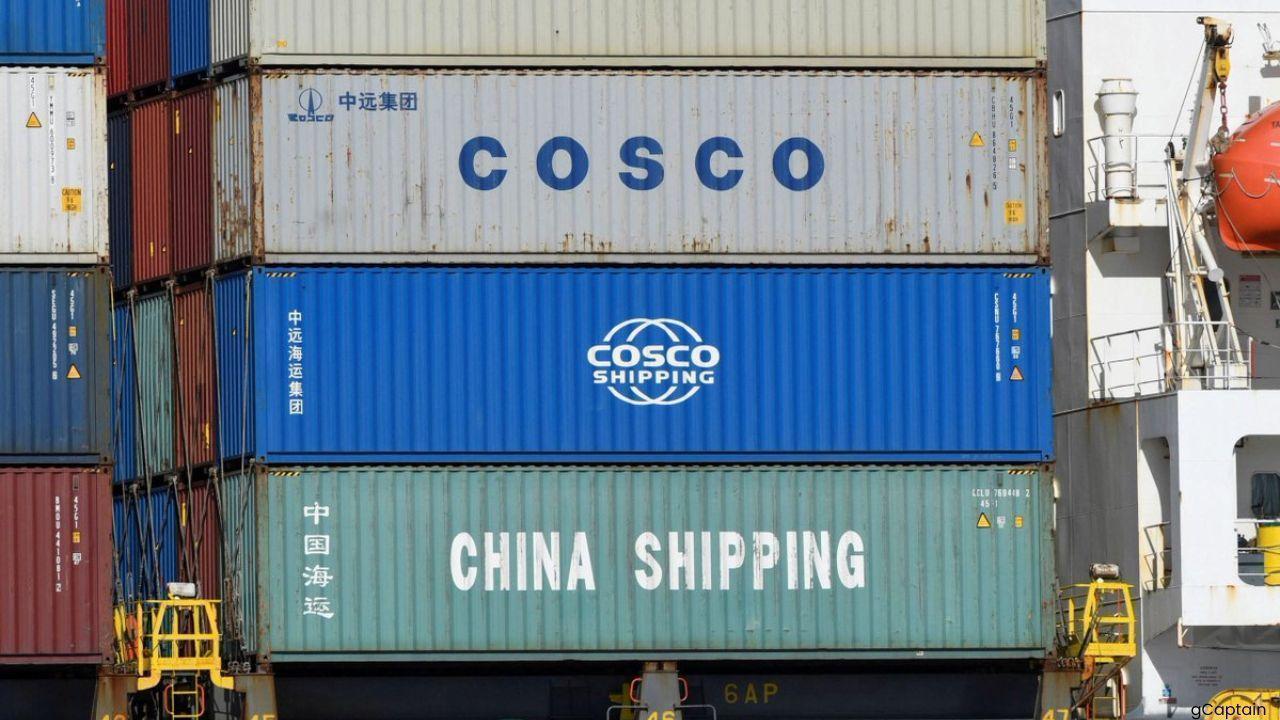
Amid one of the most volatile maritime crises in recent years, China has continued moving vessels through the Strait of Hormuz, a critical global shipping corridor now engulfed in geopolitical tension. With the passage effectively disrupted following conflict escalation in the region, Beijing’s decision to push select shipments through the danger zone underscores both the urgency of its energy needs and the strategic importance of maintaining trade flows. The rare movement of Chinese vessels through the strait highlights a calculated risk in an environment where most global shipping players are choosing to stay away.
The Strait of Hormuz, which typically handles a massive share of the world’s oil and gas shipments, has seen traffic collapse dramatically since tensions erupted. Shipping activity has fallen sharply, with only a handful of vessels attempting transit compared to normal daily volumes. This near-standstill has created ripple effects across global supply chains, impacting everything from crude oil exports to fertilizer shipments and raising concerns about prolonged disruptions. The strait’s strategic significance means even minor interruptions can trigger widespread economic consequences.
One of the most striking developments in this crisis is the emergence of selective shipping access. Reports indicate that certain countries, including China, have been granted limited passage through coordination and diplomatic alignment, while others face restrictions or heightened risks. This has created a fragmented maritime landscape where access is no longer universally guaranteed, forcing shipping companies to navigate not just physical dangers but also complex geopolitical dynamics. The result is a new form of maritime uncertainty where trade routes are increasingly influenced by diplomatic relationships.
China’s willingness to continue shipping through the strait is closely tied to its heavy reliance on Middle Eastern energy supplies. With the Strait of Hormuz accounting for a significant portion of global oil flows, maintaining access is critical for energy security. At the same time, rising oil prices and disrupted supply chains are amplifying economic pressure worldwide, pushing major importers to take calculated risks rather than halt operations entirely. This balancing act between safety and necessity is defining the current phase of the crisis.
For the global shipping industry, the situation represents a logistical and financial nightmare. Insurance costs for vessels transiting the region have surged dramatically, while safety concerns for crews remain paramount. Many shipping companies have opted to reroute cargo, delay shipments, or anchor vessels outside the strait, leading to congestion and inefficiencies across global trade networks. The few operators that continue to transit are adopting unconventional strategies, including coordinated movements and reduced visibility, to minimize risks.
The ongoing crisis in the Strait of Hormuz is shaping up to be a defining test for global trade resilience. As geopolitical tensions continue to influence maritime operations, the ability of nations and companies to adapt will determine the stability of international supply chains. China’s decision to maintain shipping activity in such conditions signals a broader reality global trade cannot simply pause, even in the face of significant risk. The coming weeks will reveal whether this fragile balance can hold or if the crisis will trigger deeper disruptions across the global transportation ecosystem.
#trending #latest,#StraitOfHormuz #GlobalShipping #ChinaTrade #MaritimeCrisis





Advances in Aerospace Technology and Commercial Aviation Recovery
Insights into breakthrough aerospace technologies and commercial aviation’s recovery amid 2025 chall

Defense Modernization and Strategic Spending Trends
Explore key trends in global defense modernization and strategic military spending shaping 2025 secu

Tens of Thousands Protest in Serbia on Anniversary of Deadly Roof Collapse
Tens of thousands in Novi Sad mark a year since a deadly station roof collapse that killed 16, prote

Canada PM Carney Apologizes to Trump Over Controversial Reagan Anti-Tariff Ad
Canadian PM Mark Carney apologized to President Trump over an Ontario anti-tariff ad quoting Reagan,

The ad that stirred a hornets nest, and made Canadian PM Carney say sorry to Trump
Canadian PM Mark Carney apologizes to US President Trump after a tariff-related ad causes diplomatic

Bengaluru-Mumbai Superfast Train Approved After 30-Year Wait
Railways approves new superfast train connecting Bengaluru and Mumbai, ending a 30-year demand, easi



