Post by : Saif
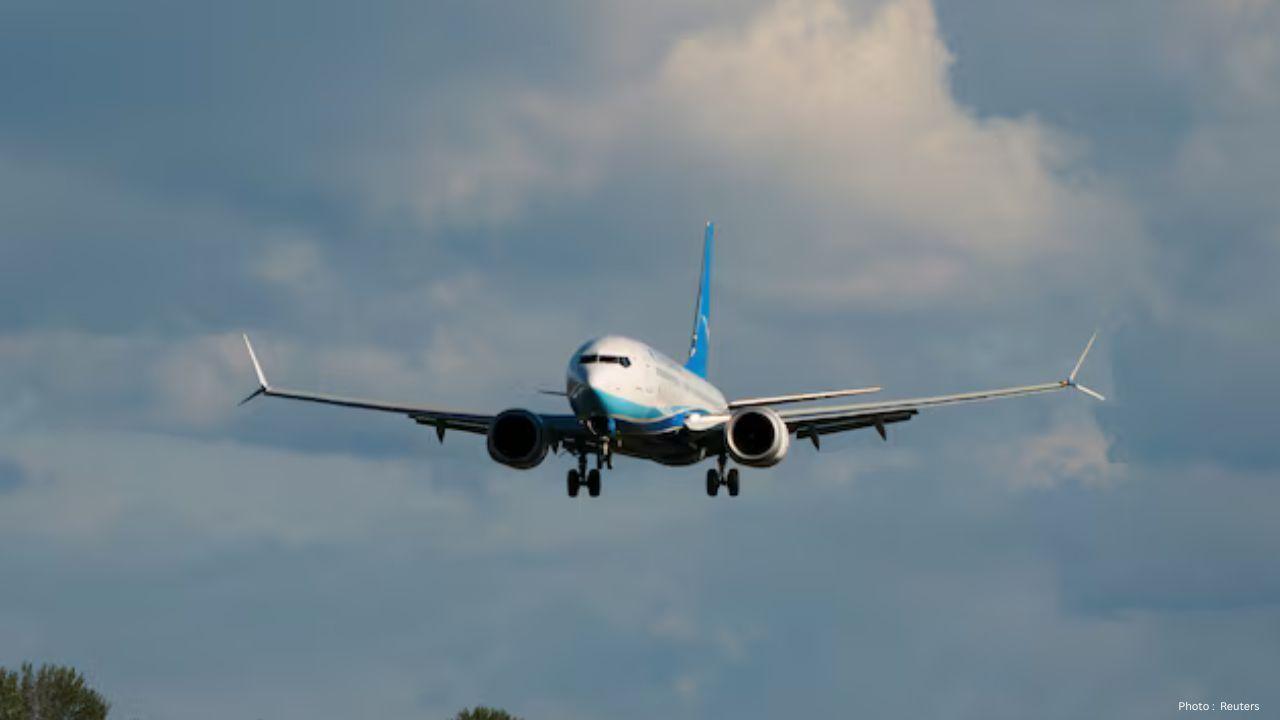
China has confirmed that it will purchase 200 Boeing aircraft as part of a wider effort to stabilize trade relations with the United States. At the same time, Beijing is also seeking to extend the current tariff truce with Washington, showing a cautious but clear step toward easing long-standing economic tensions between the two major powers.
The announcement is important because it comes after years of trade disputes between the United States and China. These disputes included high tariffs, restrictions on technology, and reduced cooperation in major industries like aviation. Boeing, one of America’s biggest aircraft manufacturers, had seen limited access to the Chinese market during the height of these tensions.
Now, the new agreement signals a possible turning point. According to official statements, China will buy at least 200 aircraft from Boeing. The deal may even grow larger in the future, depending on how trade relations develop. The aircraft are expected to include modern commercial jets that will support China’s fast-growing aviation industry.
This purchase is not only a business deal but also a political signal. Aircraft orders are often used in global diplomacy because they involve long-term contracts, large financial value, and strong industrial cooperation. In this case, the deal shows that both countries are willing to keep communication open despite past disagreements.
Alongside the aircraft deal, China is also pushing for an extension of the existing tariff truce with the United States. A tariff truce is an agreement where both countries agree not to raise import taxes on each other’s goods for a fixed period. This helps reduce pressure on businesses and stabilizes global trade.
Recent talks between the two sides have also included discussions on lowering tariffs on selected products and improving trade cooperation in key sectors. These discussions suggest that both countries are trying to avoid another trade war, which could hurt global economic growth.
The United States has also shown signs of flexibility. Officials have said that while there are still differences, dialogue remains open and future agreements are possible. However, no final long-term trade deal has been announced yet, and many issues remain unresolved.
Experts say that this development is significant for the global economy. China is one of the largest buyers of aircraft in the world, and Boeing depends heavily on international orders for growth. A return to the Chinese market could help strengthen Boeing’s production and employment in the United States.
At the same time, China benefits from access to advanced aircraft technology and improved supply chains. This mutual benefit is one of the main reasons why both countries continue to negotiate despite political tensions.
However, analysts also warn that the situation remains uncertain. Trade agreements between the United States and China have often changed quickly in the past. Political decisions, economic pressure, or new global events can easily affect progress.
For now, the agreement to buy 200 Boeing jets and continue tariff truce discussions is seen as a positive sign. It shows that both sides are willing to cooperate when economic interests are strong enough.
The world will be watching closely to see whether this step leads to a more stable trade relationship or remains only a temporary pause in ongoing tensions.
#trending #latest #China #Boeing #USChinaTrade #TradeWar #AviationNews #GlobalEconomy #TariffTruce #BusinessNews #BreakingNews #WorldNews #AircraftDeal #EconomicNews






Advances in Aerospace Technology and Commercial Aviation Recovery
Insights into breakthrough aerospace technologies and commercial aviation’s recovery amid 2025 chall

Defense Modernization and Strategic Spending Trends
Explore key trends in global defense modernization and strategic military spending shaping 2025 secu

Tens of Thousands Protest in Serbia on Anniversary of Deadly Roof Collapse
Tens of thousands in Novi Sad mark a year since a deadly station roof collapse that killed 16, prote

Canada PM Carney Apologizes to Trump Over Controversial Reagan Anti-Tariff Ad
Canadian PM Mark Carney apologized to President Trump over an Ontario anti-tariff ad quoting Reagan,

The ad that stirred a hornets nest, and made Canadian PM Carney say sorry to Trump
Canadian PM Mark Carney apologizes to US President Trump after a tariff-related ad causes diplomatic

Bengaluru-Mumbai Superfast Train Approved After 30-Year Wait
Railways approves new superfast train connecting Bengaluru and Mumbai, ending a 30-year demand, easi



