Post by : Saif
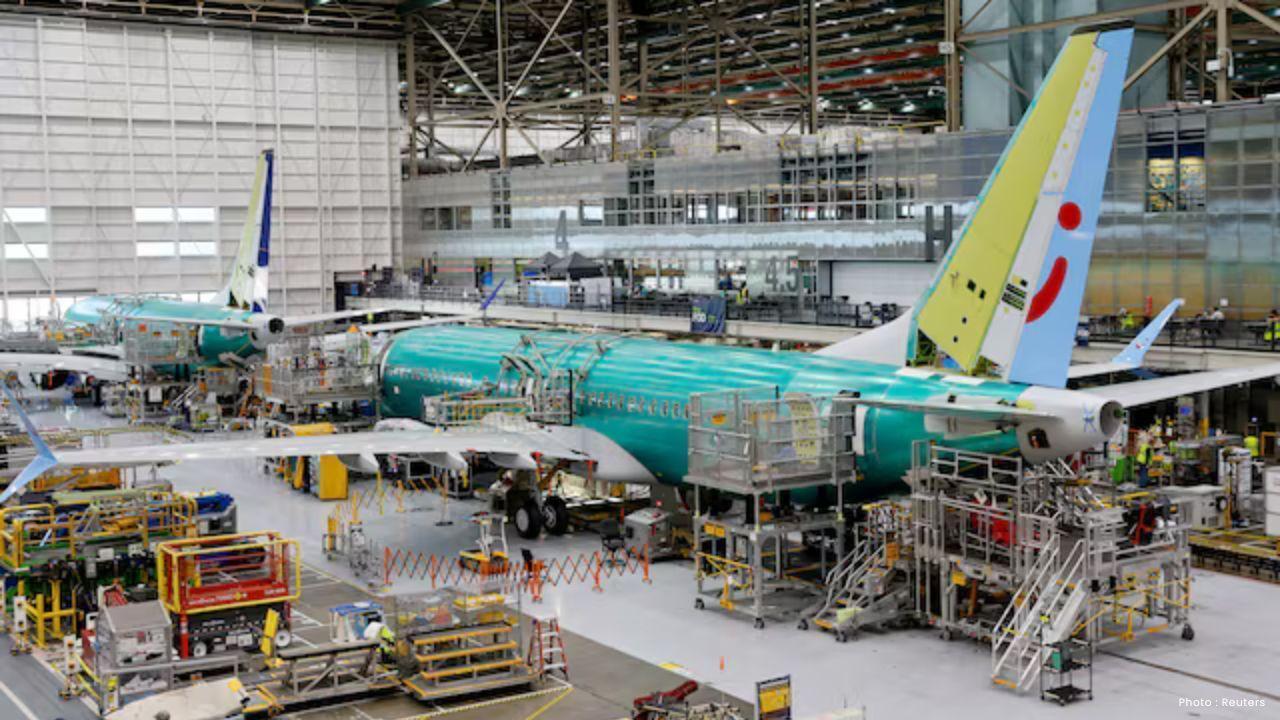
The growing conflict in the Middle East is no longer just a political or military issue. It is now beginning to affect global industries, especially aviation. A recent report shows that Boeing has asked its suppliers to check how the ongoing war could impact production and supply chains.
This step shows how connected the world economy has become. Even if a war happens in one region, its effects can spread quickly across industries and countries. Boeing sent messages to its suppliers asking them to review any operations linked to the Middle East and report possible disruptions. The company wants to understand if there could be delays in the supply of aircraft parts or problems in transportation.
The war has already started to affect shipping and air travel. Flights have been disrupted, and goods are moving more slowly than usual. This creates challenges for companies like Boeing, which depend on a steady and timely supply of parts from different parts of the world. Even a small delay in one part can slow down the production of an entire aircraft.
Although the Middle East is not a major center for aircraft manufacturing, it still plays an important role. For example, companies in the United Arab Emirates help produce parts for aircraft such as the Boeing 787 Dreamliner. If these operations are affected by the conflict, it can create a chain reaction that impacts production in other countries as well.
Another major concern is the rise in oil prices. The conflict has pushed oil prices closer to 100 dollars per barrel. Higher fuel costs directly affect airlines, as fuel is one of their biggest expenses. When airlines have to spend more on fuel, they may delay buying new planes. This can reduce demand for aircraft manufacturers like Boeing and even its European rival Airbus.
Experts believe that if the conflict continues, it could also affect future aircraft orders, especially from Gulf countries. These nations are some of the biggest buyers of large aircraft, and any economic slowdown in the region can directly impact global aviation demand. Companies like Embraer are also watching the situation closely, as they depend on stable global markets.
At the moment, there has not been a major impact on aircraft production. However, the bigger worry is about the long-term effects. Supply chains around the world are already under pressure due to high demand and increased military production. A long war could make these problems worse and lead to more delays.
There is also concern about possible government action. In times of war, governments may give priority to defense production over commercial industries. This means suppliers who work for both military and civilian sectors might be asked to focus more on defense needs. If that happens, the production of commercial aircraft could slow down even further.
The conflict has also affected global aviation in other ways. Airspace restrictions and safety risks have forced airlines to change routes or cancel flights. This has increased costs for airlines and created uncertainty for passengers. It also shows how quickly global travel can be affected by political tensions.
From a broader point of view, this situation is a reminder that modern industries depend heavily on global stability. Companies like Boeing work with hundreds of suppliers across many countries. When one part of the system is disturbed, it can affect the entire network.
Boeing’s decision to ask suppliers to review risks is a careful and practical step. It shows that the company is trying to prepare in advance rather than react later. However, it also highlights how serious the situation has become, as companies are now actively planning for possible disruptions.
This crisis also raises important questions about how global supply chains are designed. Many systems today focus on efficiency and speed, but not always on strength and flexibility. When unexpected events like wars happen, these systems can struggle to handle the pressure.
The Middle East conflict is a clear example of how closely business and global politics are connected. Rising oil prices, disrupted trade routes, and uncertainty in markets all combine to create challenges for companies and economies around the world.
In the end, Boeing’s warning to its suppliers is not just about one company or one industry. It is a signal of wider risks in the global economy. If the conflict continues, its impact could spread further, affecting industries, jobs, and everyday life across many countries. The situation is still developing, but it clearly shows that in today’s world, no industry is completely safe from global events.
#trending #latest #Boeing #MiddleEastWar #GlobalSupplyChain #AviationIndustry #OilPrices #Airbus #Embraer #WorldNews #BusinessNews #Geopolitics






Advances in Aerospace Technology and Commercial Aviation Recovery
Insights into breakthrough aerospace technologies and commercial aviation’s recovery amid 2025 chall

Defense Modernization and Strategic Spending Trends
Explore key trends in global defense modernization and strategic military spending shaping 2025 secu

Tens of Thousands Protest in Serbia on Anniversary of Deadly Roof Collapse
Tens of thousands in Novi Sad mark a year since a deadly station roof collapse that killed 16, prote

Canada PM Carney Apologizes to Trump Over Controversial Reagan Anti-Tariff Ad
Canadian PM Mark Carney apologized to President Trump over an Ontario anti-tariff ad quoting Reagan,

The ad that stirred a hornets nest, and made Canadian PM Carney say sorry to Trump
Canadian PM Mark Carney apologizes to US President Trump after a tariff-related ad causes diplomatic

Bengaluru-Mumbai Superfast Train Approved After 30-Year Wait
Railways approves new superfast train connecting Bengaluru and Mumbai, ending a 30-year demand, easi



