Post by : Saif
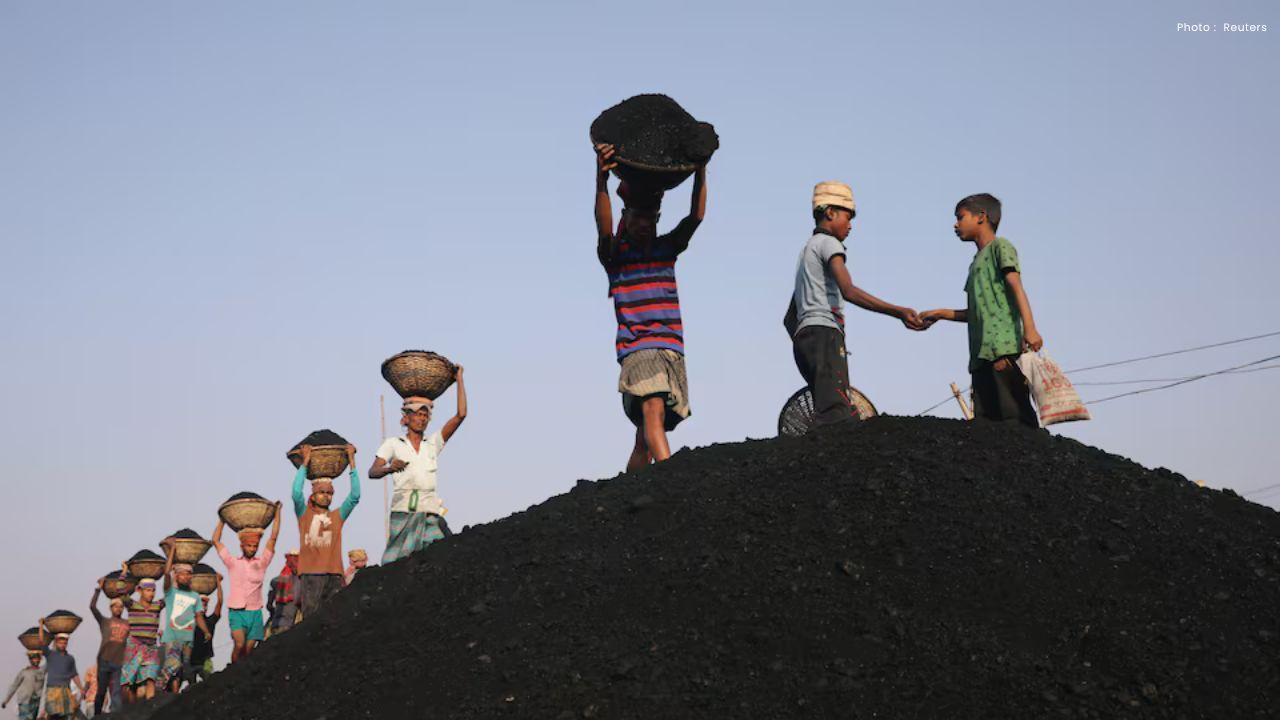
Countries across Asia are changing their energy plans as the ongoing conflict in the Middle East continues to disrupt supplies of liquefied natural gas, also known as LNG. With gas becoming harder to get and more expensive, many nations are now turning back to coal to meet their energy needs.
The crisis began when the war affected key energy routes and production in the Middle East. The Strait of Hormuz, a major shipping route for oil and gas, has seen heavy disruption. This route normally carries a large share of the world’s energy supply. As shipments slowed down or stopped, LNG supplies dropped sharply.
One of the biggest impacts has come from reduced exports from Qatar, one of the world’s top LNG suppliers. Many Asian countries depend heavily on gas from this region. When supplies were cut, prices increased quickly, making LNG too expensive for some countries to afford.
As a result, countries like Bangladesh, Pakistan, and others in South and Southeast Asia have started using more coal for power generation. Coal is easier to access and often cheaper in the short term, even though it is more harmful to the environment.
Even larger economies such as Japan and South Korea are adjusting their energy strategies. Some are increasing coal use, while others are also turning to nuclear energy to reduce dependence on imported gas.
The shift is happening because countries need to ensure that people have electricity and industries can keep running. Without enough fuel, power shortages could affect daily life, including homes, schools, hospitals, and factories. Governments are therefore choosing practical solutions, even if they are not ideal for the environment.
The situation is also affecting long-term energy plans. Many Asian countries had been trying to reduce coal use and move toward cleaner fuels like gas and renewable energy. However, the current crisis has forced them to delay or rethink these plans.
Experts say LNG demand growth in Asia could slow down this year because of the supply shock. Some forecasts have already been reduced sharply, showing how serious the situation has become.
The crisis is also putting pressure on major investments. Projects worth billions of dollars that were planned to expand LNG infrastructure are now being delayed or canceled. This creates uncertainty for companies and governments that had invested in these projects.
Another problem is rising energy costs. When gas prices increase, it affects electricity prices and the cost of living. Many countries are already facing inflation, and higher energy costs can make the situation worse for ordinary people.
The impact is being felt in industries as well. In countries like India, gas shortages have already disrupted operations in sectors such as steel production. Some factories may even face shutdowns if supplies do not improve.
From an editorial point of view, this crisis shows how fragile the global energy system can be. A conflict in one region can quickly affect countries thousands of miles away. Asia, which depends heavily on imported energy, is especially vulnerable to such disruptions.
The return to coal also raises environmental concerns. Coal produces more pollution and carbon emissions compared to gas. This could slow down global efforts to fight climate change. While coal may solve short-term problems, it creates long-term challenges.
At the same time, the crisis highlights the need for energy diversity. Relying too much on one region or one type of fuel can create risks. Countries may now look to expand renewable energy sources like solar and wind, which are not affected by global conflicts in the same way.
There is also a lesson about preparedness. Nations may need to build stronger reserves and backup systems to handle sudden disruptions. This could include storing more fuel or developing local energy sources.
In conclusion, Asia’s shift back to coal is a clear sign of how serious the current energy crisis has become. While it helps meet immediate needs, it also raises concerns about the future. The challenge for countries will be to balance energy security with environmental responsibility as they move forward.
#trending #latest #EnergyCrisis #AsiaEnergy #CoalPower #LNG #MiddleEastConflict #GlobalEconomy #ClimateChange #PowerSupply #WorldNews #armustnews






Advances in Aerospace Technology and Commercial Aviation Recovery
Insights into breakthrough aerospace technologies and commercial aviation’s recovery amid 2025 chall

Defense Modernization and Strategic Spending Trends
Explore key trends in global defense modernization and strategic military spending shaping 2025 secu

Tens of Thousands Protest in Serbia on Anniversary of Deadly Roof Collapse
Tens of thousands in Novi Sad mark a year since a deadly station roof collapse that killed 16, prote

Canada PM Carney Apologizes to Trump Over Controversial Reagan Anti-Tariff Ad
Canadian PM Mark Carney apologized to President Trump over an Ontario anti-tariff ad quoting Reagan,

The ad that stirred a hornets nest, and made Canadian PM Carney say sorry to Trump
Canadian PM Mark Carney apologizes to US President Trump after a tariff-related ad causes diplomatic

Bengaluru-Mumbai Superfast Train Approved After 30-Year Wait
Railways approves new superfast train connecting Bengaluru and Mumbai, ending a 30-year demand, easi



