Post by : Saif
Airlines around the world have started increasing ticket prices as fuel costs rise sharply due to the ongoing conflict in the Middle East. The sudden jump in oil prices has created serious financial pressure for the aviation industry, forcing many airlines to pass higher costs on to passengers.
Jet fuel is one of the biggest expenses for airlines, and recent global tensions have pushed fuel prices to unusually high levels. In the past few weeks, the conflict involving the United States, Israel, and Iran has caused oil prices to rise rapidly, disrupting the global travel industry and increasing operating costs for airlines.
Before the conflict intensified, jet fuel prices were roughly $85 to $90 per barrel. However, prices recently surged to between $150 and $200 per barrel, placing heavy pressure on airline finances.
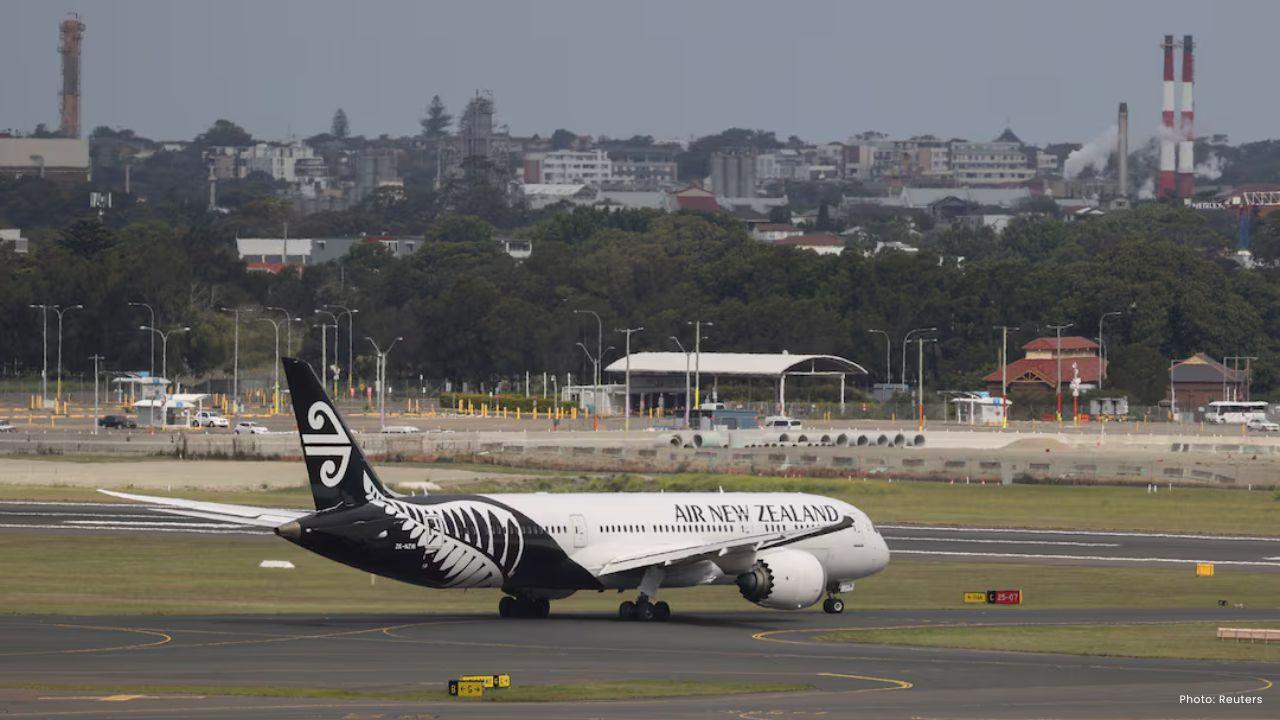
Because of this sharp rise, several airlines have begun adjusting their fares. One of the first major carriers to announce price increases was Air New Zealand. The airline said it had raised ticket prices across many routes and warned that more increases could follow if fuel costs remain high.
The airline explained that one-way economy fares had increased by about NZ$10 on domestic flights, NZ$20 on short international routes, and NZ$90 on long-haul journeys.
These increases show how quickly rising fuel costs can affect ticket prices. Airlines operate on thin profit margins, and fuel typically represents between 20% and 25% of total operating expenses, making it the second-largest cost after labor.
When oil prices climb sharply, airlines often have no choice but to increase fares or reduce flights in order to manage their budgets.
The Middle East conflict has also created other challenges for airlines. Several countries in the region have temporarily closed or restricted their airspace due to security concerns and missile threats. As a result, many flights are now taking longer routes to avoid dangerous areas.
These detours increase travel time and fuel consumption, which adds even more pressure to airline costs.
Airlines operating between Europe and Asia have been particularly affected. These routes often pass through Middle Eastern airspace, which is an important corridor for international travel. When flights must reroute, airlines may burn more fuel and face delays.
According to industry data, Gulf carriers such as Emirates, Qatar Airways, and Etihad normally carry a large share of passengers traveling between Europe, Asia, and Australia. Disruptions in the region therefore have a wide impact on global travel networks.
Some airlines have also begun reviewing fuel surcharges, which are extra fees added to ticket prices to cover fuel costs. Carriers such as Cathay Pacific already apply these charges and adjust them regularly depending on fuel prices.
The rising cost of air travel could affect tourism and international business. Higher ticket prices may cause some travelers to delay or cancel trips, especially during the busy summer travel season.
Travel companies and tourism authorities are watching the situation closely. If fuel prices remain high for a long time, airlines may reduce flight schedules or suspend certain routes that are no longer profitable.
In some countries, airlines are asking governments for financial support. For example, Vietnam Airlines has requested the removal of environmental taxes on jet fuel to help reduce operating costs during the crisis.
Such requests show how strongly fuel prices influence the aviation sector.
Despite these challenges, airline stocks showed signs of stabilizing after an earlier sell-off in global markets. Shares of several major airlines in Asia rose slightly after investors reacted to comments suggesting the conflict might ease in the near future.
For instance, Air New Zealand’s share price recovered after a sharp drop, while Korean Air, Qantas Airways, and Japan Airlines also saw modest gains after earlier losses.
Markets reacted positively after oil prices pulled back from recent highs. Oil had earlier climbed above $119 per barrel, but later fell closer to $90 per barrel, which helped calm investors.
Even so, analysts warn that the aviation industry could face a difficult period if the conflict continues. Rising fuel costs, airspace restrictions, and uncertain travel demand may create ongoing challenges for airlines.
The broader global economy may also feel the impact. Conflicts in the Middle East often affect energy supplies because the region is a major producer of oil and gas. Disruptions to shipping routes or energy infrastructure can quickly drive prices higher around the world.
Higher energy costs can influence many industries, including transportation, manufacturing, and tourism. Aviation is especially sensitive because fuel is essential for every flight.
Experts say the coming months will be crucial for the airline industry. If geopolitical tensions ease and oil prices fall, ticket prices may stabilize again. However, if the conflict continues, travelers could see even higher fares and fewer available flights.
For now, passengers planning international trips may need to prepare for more expensive tickets and possible changes to flight schedules.
The situation highlights how closely global travel depends on energy markets and international stability. A conflict thousands of kilometers away can quickly affect the price of a plane ticket anywhere in the world.
#trending #latest #armustnews #AirlineIndustry #Airfares #FuelPrices #GlobalTravel #AviationNews #OilPrices #TravelIndustry #MiddleEastConflict #WorldEconomy






Advances in Aerospace Technology and Commercial Aviation Recovery
Insights into breakthrough aerospace technologies and commercial aviation’s recovery amid 2025 chall

Defense Modernization and Strategic Spending Trends
Explore key trends in global defense modernization and strategic military spending shaping 2025 secu

Tens of Thousands Protest in Serbia on Anniversary of Deadly Roof Collapse
Tens of thousands in Novi Sad mark a year since a deadly station roof collapse that killed 16, prote

Canada PM Carney Apologizes to Trump Over Controversial Reagan Anti-Tariff Ad
Canadian PM Mark Carney apologized to President Trump over an Ontario anti-tariff ad quoting Reagan,

The ad that stirred a hornets nest, and made Canadian PM Carney say sorry to Trump
Canadian PM Mark Carney apologizes to US President Trump after a tariff-related ad causes diplomatic

Bengaluru-Mumbai Superfast Train Approved After 30-Year Wait
Railways approves new superfast train connecting Bengaluru and Mumbai, ending a 30-year demand, easi



