Post by : Saif
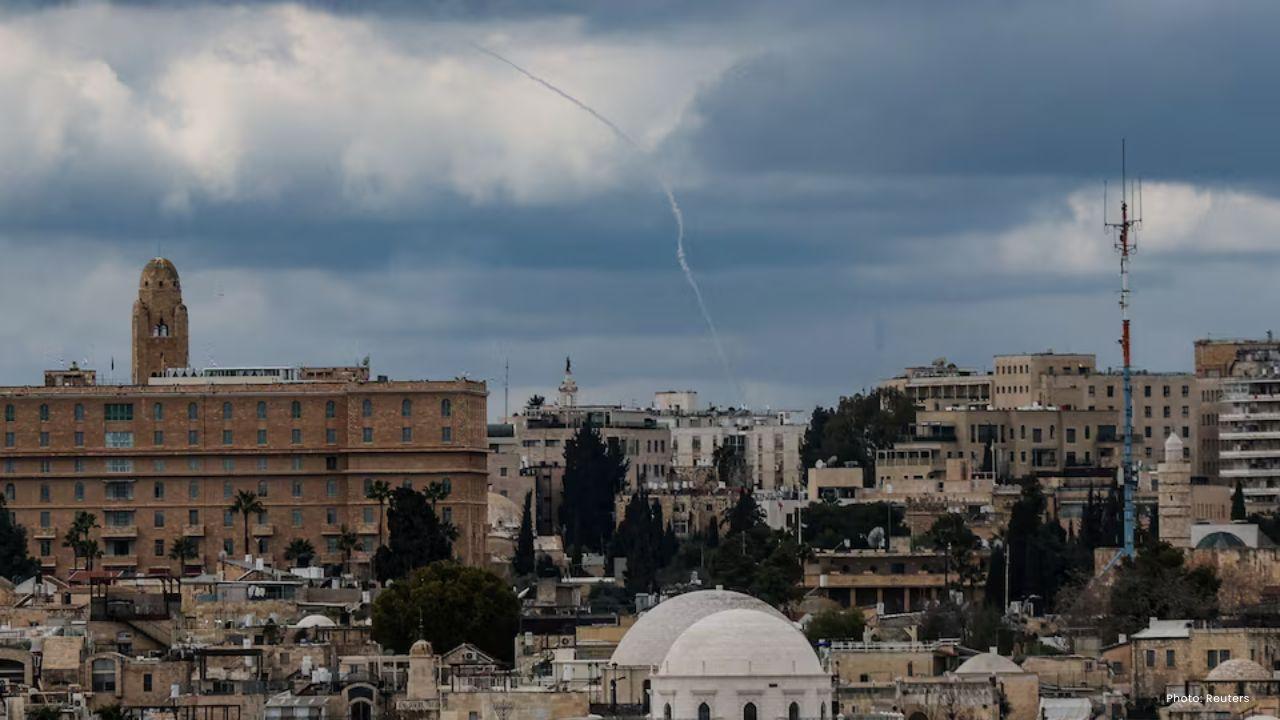
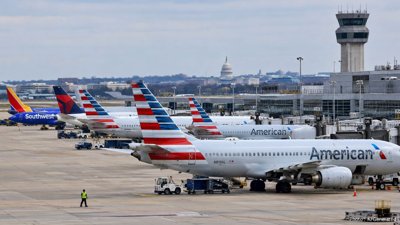
The recent military strikes by the United States and Israel on Iran have caused widespread disruption across global air travel. Major airlines around the world have cancelled flights, rerouted routes, and temporarily suspended services to and from the Middle East as safety concerns rise and several countries close or restrict their airspace.
The airspace over Iran and Iraq was largely empty early on February 28, 2026, as airlines avoided flying over the region amid growing military activity. Flight tracking services showed a sharp drop in traffic over these areas, leaving many long-distance international routes affected.
Several large carriers announced cancellations and changes. Air France-KLM cancelled flights between Europe, Tel Aviv, and Beirut. KLM also brought forward its suspension of Amsterdam-to-Tel Aviv services. Lufthansa suspended flights not only to Tel Aviv and Beirut but also to Dubai and Oman until early March. Wizz Air paused flights to and from Israel, Dubai, Abu Dhabi, and Amman.
Other international airlines also adjusted their plans. Japan Airlines cancelled flights between Tokyo and Doha, and Virgin Atlantic rerouted flights to avoid Iraqi airspace, resulting in some cancellations. In addition, Gulf region carriers paused or changed operations as airspace closures affected routes throughout the region.
The disruptions are not limited to Europe. Airlines in Asia, such as Singapore Airlines and Scoot, cancelled several flights to cities like Dubai and Jeddah on both February 28 and March 1. Meanwhile, some flights from Malaysia Airlines were diverted to alternate airports due to airspace and safety concerns.
These changes reflect the broader impact of the geopolitical situation on international travel. Many countries, including the United Arab Emirates, Qatar, and Kuwait, temporarily closed or restricted their airspace following the strikes. This has forced airlines to adjust flight paths, cancel services, and update schedules to ensure passenger safety.
For passengers, these disruptions may mean delays, cancellations, and rerouted flights that take longer or require extra fuel stops. Airlines are advising travelers to check with carriers for the latest updates and to allow extra time for travel as the situation evolves.
The impact on air travel could continue in the coming days, depending on changes in regional security and the reopening of airspace. Airlines and aviation authorities will closely monitor events to determine when it is safe to resume normal schedules.
#trending #latest #Airlines #FlightCancellations #MiddleEastConflict #Iran #Israel #US #AirTraffic #TravelDisruption #armustnews






Advances in Aerospace Technology and Commercial Aviation Recovery
Insights into breakthrough aerospace technologies and commercial aviation’s recovery amid 2025 chall

Defense Modernization and Strategic Spending Trends
Explore key trends in global defense modernization and strategic military spending shaping 2025 secu

Tens of Thousands Protest in Serbia on Anniversary of Deadly Roof Collapse
Tens of thousands in Novi Sad mark a year since a deadly station roof collapse that killed 16, prote

Canada PM Carney Apologizes to Trump Over Controversial Reagan Anti-Tariff Ad
Canadian PM Mark Carney apologized to President Trump over an Ontario anti-tariff ad quoting Reagan,

The ad that stirred a hornets nest, and made Canadian PM Carney say sorry to Trump
Canadian PM Mark Carney apologizes to US President Trump after a tariff-related ad causes diplomatic

Bengaluru-Mumbai Superfast Train Approved After 30-Year Wait
Railways approves new superfast train connecting Bengaluru and Mumbai, ending a 30-year demand, easi



