Post by : Avinab Raana
Photo : X / Utsav Techie
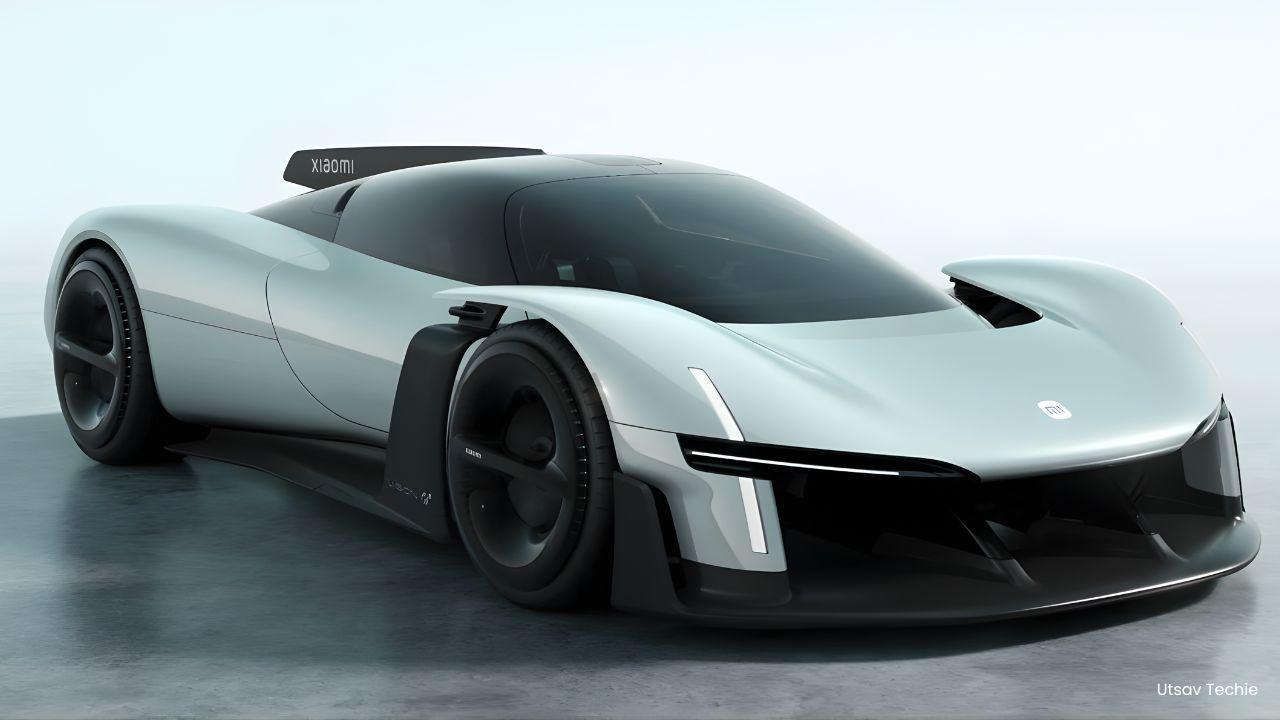
At MWC 2026, Xiaomi stunned the automotive world by unveiling the Vision GT, an electric hypercar boasting an astonishing 1900 HP, state-of-the-art EV performance and a design philosophy that blends top-tier speed with futuristic smart vehicle technology. While Xiaomi is globally known for its consumer electronics, its bold move into high-performance electric vehicles signals a broader ambition to redefine what electric mobility can achieve from everyday urban transport to the pinnacle of automotive engineering.
The Vision GT isn’t merely a showcase piece. With detailed specs released at the event, Xiaomi has positioned the hypercar not just as a concept but as a potential benchmark in performance EVs. Its electric drivetrain, advanced control systems and next-generation battery architecture put it squarely on the radar of high-performance car enthusiasts and technology watchers alike.
The headline figure is impossible to ignore: 1900 HP delivered through a sophisticated all-electric architecture. The Vision GT’s powertrain integrates multiple electric motors, advanced torque vectoring and a high-capacity battery pack engineered for both brute acceleration and sustained high-speed performance. Xiaomi claims that the Vision GT will compete with and in some respects surpass established hypercar rivals in 0–100 km/h time, top speed and track capability.
This level of performance elevates the Vision GT beyond typical electric SUVs or sedans. It represents how electric propulsion is no longer a limitation for speed but rather a platform for redefining vehicle dynamics, control and driver experience. Such power requires cutting-edge software management, thermal systems and real-time data systems, all of which Xiaomi has integrated into its design.
Beyond sheer muscle, the Vision GT showcases Xiaomi’s strengths in connected systems, autonomous readiness and integrated vehicle software. The cockpit blends driver-centric instrumentation with AI-enhanced driving aids, advanced sensor suites and predictive systems that adapt performance parameters dynamically. This aligns the hypercar with the broader category of urban mobility technology that integrates hardware and software for heightened safety and performance.
Connectivity is a core theme: over-the-air updates, real-time performance analytics and an evolving suite of driver-assist modules ensure the Vision GT remains current long after its launch. While autonomous driving levels may be constrained by regulatory and safety norms for hypercars, the architecture clearly anticipates future integration with advanced driving assist systems suitable for both road and track.
Visually, the Vision GT unmistakably embraces hypercar aesthetics- low, aggressive lines, aerodynamic sculpting and a driver-focused stance. But it’s not just about looks. Every curve and surface is engineered for aero optimization, thermal management and chassis stability at high speeds. Xiaomi’s design team has clearly balanced visual flair with functional clarity, creating a vehicle that looks as formidable as its specs suggest.
The interior blends luxury with performance-oriented ergonomics. Seating, displays and controls are arranged to prioritise driver engagement while providing digital intelligence for navigation, performance tuning and connectivity. This immersive environment reinforces the vehicle’s dual identity as both a tech product and a performance machine.
The Vision GT’s announcement underscores how electric vehicles are no longer defined solely by efficiency or sustainability, they are now at the cutting edge of raw performance and technological integration. Xiaomi’s entrance into this realm highlights a broader shift in the EV landscape, where tech companies are challenging traditional automotive norms by leveraging deep software expertise and advanced systems integration.
For fans of electric performance and next-generation automotive innovation, the Vision GT represents a tantalizing glimpse into the future. It also raises anticipation for how EV powertrains, smart systems and high real-world performance will converge across segments from urban commuters to supercars.
With the Vision GT, Xiaomi has effectively said that electrification isn’t just about cleaner transport, it’s about redefining the boundaries of what vehicles can do. As the industry watches how this 1900 HP hypercar transitions from unveil to production reality, one thing is certain: electric mobility continues to evolve in thrilling, unpredictable directions.
Xiaomi Vision GT, 1900 HP hypercar specs, electric hypercar innovation





Advances in Aerospace Technology and Commercial Aviation Recovery
Insights into breakthrough aerospace technologies and commercial aviation’s recovery amid 2025 chall

Defense Modernization and Strategic Spending Trends
Explore key trends in global defense modernization and strategic military spending shaping 2025 secu

Tens of Thousands Protest in Serbia on Anniversary of Deadly Roof Collapse
Tens of thousands in Novi Sad mark a year since a deadly station roof collapse that killed 16, prote

Canada PM Carney Apologizes to Trump Over Controversial Reagan Anti-Tariff Ad
Canadian PM Mark Carney apologized to President Trump over an Ontario anti-tariff ad quoting Reagan,

The ad that stirred a hornets nest, and made Canadian PM Carney say sorry to Trump
Canadian PM Mark Carney apologizes to US President Trump after a tariff-related ad causes diplomatic

Bengaluru-Mumbai Superfast Train Approved After 30-Year Wait
Railways approves new superfast train connecting Bengaluru and Mumbai, ending a 30-year demand, easi



