Post by : Saif
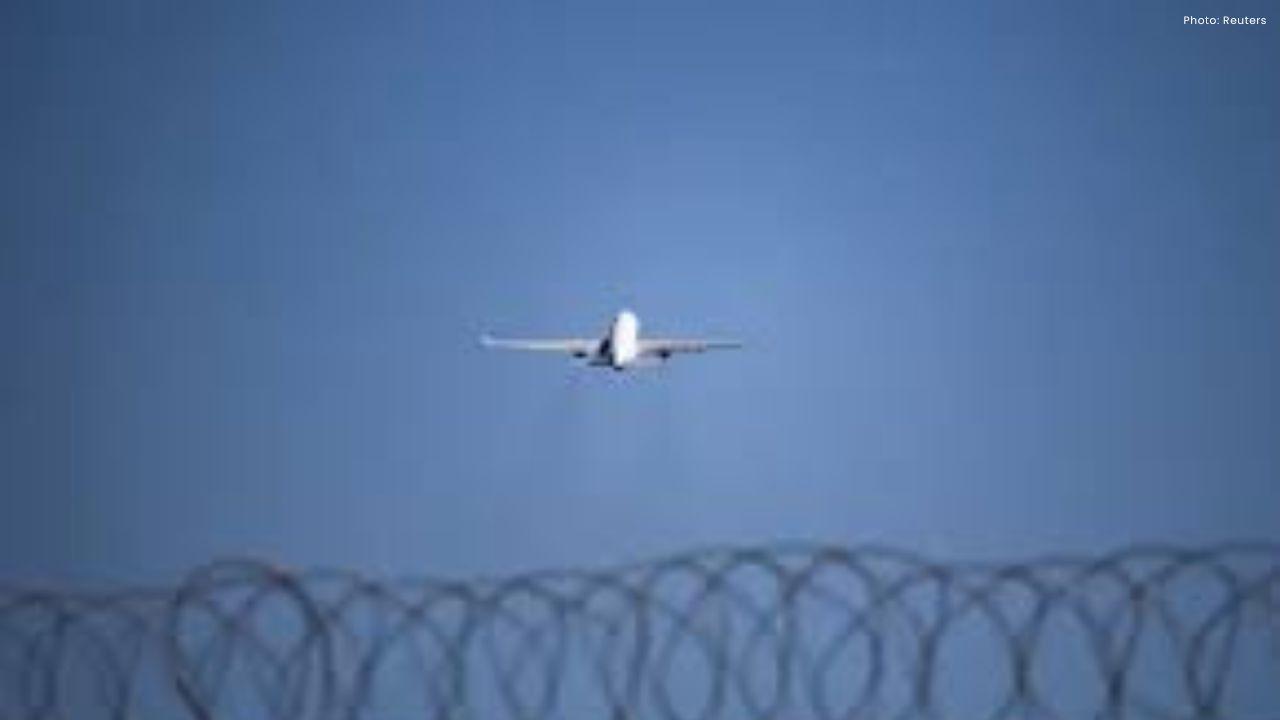
The spread of conflict in the Middle East is creating new challenges for the global aviation industry. Airline pilots flying commercial passenger planes are now facing risks that were once mostly limited to military operations. Drones, missiles, and sudden airspace closures are making the job of pilots much more difficult and stressful.
Recent fighting involving Iran, the United States, and Israel has increased dangers in the skies over parts of the Middle East. Military activity has forced airlines to change routes, delay flights, and sometimes cancel journeys altogether. For pilots, this means flying in a region where threats can appear suddenly and where decisions must be made quickly to keep passengers safe.
Commercial pilots are trained to deal with many types of emergencies such as bad weather, technical problems, or medical issues on board. However, they are not trained to deal with military threats like missiles or armed drones. Because of this, the current situation has created a new level of stress for many pilots flying in affected regions.
One of the biggest concerns is the presence of drones in civilian airspace. Drones are small and often difficult to detect with normal aviation systems. If a drone collides with an aircraft, it could cause serious damage, especially during takeoff or landing. In several airports around the world, drone sightings have already forced temporary shutdowns of runways and flight operations.
Missile activity is another serious risk. During conflicts, missiles launched between countries can travel across large areas of airspace. Even if these missiles are aimed at military targets, commercial flights may still be operating nearby. This creates a dangerous situation where pilots must rely on information from air traffic controllers and government warnings to avoid risky areas.
In recent days, several flights across the Middle East have been delayed or diverted due to missile alerts. Some aircraft were forced to change course or wait in the air before landing because of security concerns around airports in the region.
These disruptions have affected major aviation hubs such as Dubai, Doha, and other Gulf cities that normally connect Europe, Asia, and Africa. Many airlines have reduced their schedules or suspended flights to certain destinations until the situation becomes safer.
For pilots, flying in these conditions requires extra planning and constant communication with air traffic control. In some cases, aircraft must fly at higher altitudes or carry extra fuel in case they need to change routes suddenly. These precautions help improve safety but also increase the workload for flight crews.
The emotional pressure is also significant. Pilots are responsible for the safety of hundreds of passengers on every flight. Knowing that military activity is happening nearby can create anxiety, even for experienced professionals. Many pilots say that during a flight they stay focused on their tasks, but the stress becomes clearer once the journey is over.
Airlines and aviation authorities are working to reduce risks by closely monitoring conflict zones and issuing warnings to pilots. International aviation organizations often recommend avoiding certain areas of airspace when military activity increases.
However, avoiding conflict zones is not always easy. Many of the world’s busiest air routes pass through the Middle East because it lies between Europe and Asia. When airlines must avoid these regions, flights become longer, fuel costs rise, and schedules become more complicated.
This situation shows how modern warfare can affect industries far beyond the battlefield. Commercial aviation connects people, businesses, and countries across the globe. When conflicts spread, even civilian pilots and travelers can feel the impact.
For now, airline pilots continue to do their jobs under increasingly complex conditions. With careful planning, strong communication, and strict safety rules, the aviation industry hopes to keep passengers safe despite the growing risks in the skies.
As global conflicts continue to shape the security environment, the challenges faced by pilots serve as a reminder that war can affect not only soldiers on the ground but also civilians traveling thousands of feet above it.
#trending #latest #AviationSafety #AirlinePilots #MiddleEastConflict #DroneThreat #MissileRisk #GlobalAviation #FlightSafety #WorldNews #AirTravel #armustnews





Advances in Aerospace Technology and Commercial Aviation Recovery
Insights into breakthrough aerospace technologies and commercial aviation’s recovery amid 2025 chall

Defense Modernization and Strategic Spending Trends
Explore key trends in global defense modernization and strategic military spending shaping 2025 secu

Tens of Thousands Protest in Serbia on Anniversary of Deadly Roof Collapse
Tens of thousands in Novi Sad mark a year since a deadly station roof collapse that killed 16, prote

Canada PM Carney Apologizes to Trump Over Controversial Reagan Anti-Tariff Ad
Canadian PM Mark Carney apologized to President Trump over an Ontario anti-tariff ad quoting Reagan,

The ad that stirred a hornets nest, and made Canadian PM Carney say sorry to Trump
Canadian PM Mark Carney apologizes to US President Trump after a tariff-related ad causes diplomatic

Bengaluru-Mumbai Superfast Train Approved After 30-Year Wait
Railways approves new superfast train connecting Bengaluru and Mumbai, ending a 30-year demand, easi



