Post by : Avinab Raana
Photo : X / PortalPortuario
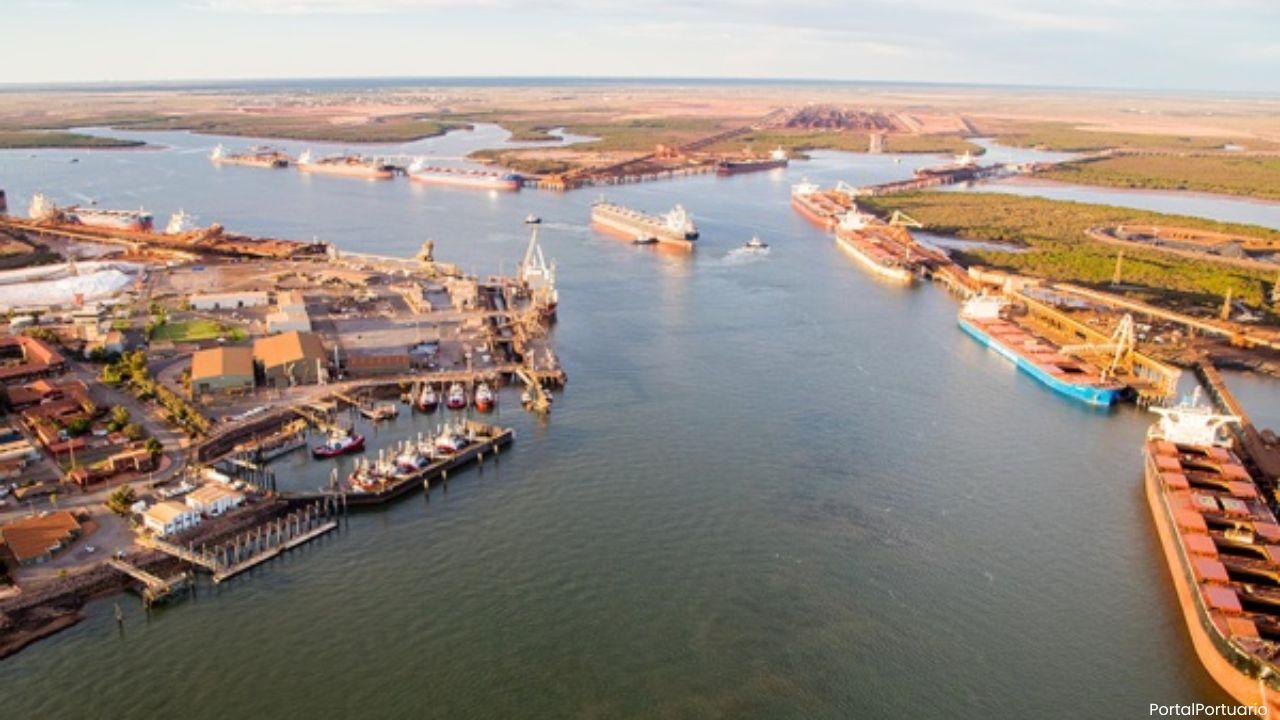
A powerful cyclone threat approaching Western Australia has triggered the closure of major LNG and iron ore ports, sending ripples across global shipping and energy markets. Authorities in the resource-rich Pilbara region moved swiftly to halt operations and evacuate vessels as dangerous sea conditions, high winds, and large swells began intensifying along the coastline. The shutdown reflects standard emergency protocols but highlights the fragile balance between natural forces and global supply chains dependent on uninterrupted maritime logistics.
The Pilbara coastline is one of the world’s most critical export corridors, handling massive volumes of iron ore and LNG shipments that feed industrial economies across Asia. Even a short-term disruption in this region can create immediate ripple effects, as the area processes tens of millions of tonnes of iron ore monthly alongside significant LNG volumes. These exports are deeply integrated into global steel production and energy supply chains, making the closure of ports not just a regional issue but a global economic concern.
With ports shutting down, vessels are being redirected or held offshore, leading to mounting delays in cargo movement and logistical congestion. Shipping operators are forced to adjust routes, reschedule deliveries, and activate contingency plans, while cargo commitments face uncertainty. Such disruptions often trigger cascading delays across interconnected supply chains, affecting everything from manufacturing timelines to energy availability in importing nations.
The impact extends far beyond shipping lanes, with LNG supply disruptions raising concerns about energy security in key Asian markets. Countries heavily reliant on Australian LNG imports may face temporary shortages or price volatility, particularly during peak demand cycles. At the same time, iron ore supply interruptions can strain steel production, potentially pushing up commodity prices and impacting infrastructure and construction sectors worldwide.
Western Australia’s recurring cyclone activity continues to expose structural vulnerabilities in global trade infrastructure. Similar events in recent years have forced repeated closures of major ports like Port Hedland and Dampier, leading to shipment delays and operational setbacks. The region’s dependence on weather-sensitive logistics underscores the urgent need for resilient port infrastructure and advanced forecasting systems to mitigate future disruptions.
As the cyclone tracks along the coast, industry players and global markets remain on high alert, closely monitoring both its intensity and trajectoryv. While safety remains the top priority, the economic consequences of prolonged disruptions could be significant. Once conditions stabilize, ports are expected to resume operations, but the aftereffects delayed shipments, fluctuating prices, and strained supply chains may linger far longer, reinforcing how deeply interconnected and vulnerable modern global trade truly is.
Western Australia ports, cyclone impact shipping, LNG exports disruption, iron ore supply chain, Pilbara ports closure, global trade disruption, maritime logistics crisis







Advances in Aerospace Technology and Commercial Aviation Recovery
Insights into breakthrough aerospace technologies and commercial aviation’s recovery amid 2025 chall

Defense Modernization and Strategic Spending Trends
Explore key trends in global defense modernization and strategic military spending shaping 2025 secu

Tens of Thousands Protest in Serbia on Anniversary of Deadly Roof Collapse
Tens of thousands in Novi Sad mark a year since a deadly station roof collapse that killed 16, prote

Canada PM Carney Apologizes to Trump Over Controversial Reagan Anti-Tariff Ad
Canadian PM Mark Carney apologized to President Trump over an Ontario anti-tariff ad quoting Reagan,

The ad that stirred a hornets nest, and made Canadian PM Carney say sorry to Trump
Canadian PM Mark Carney apologizes to US President Trump after a tariff-related ad causes diplomatic

Bengaluru-Mumbai Superfast Train Approved After 30-Year Wait
Railways approves new superfast train connecting Bengaluru and Mumbai, ending a 30-year demand, easi



