Post by : Avinab Raana
Photo : X / Aeronews
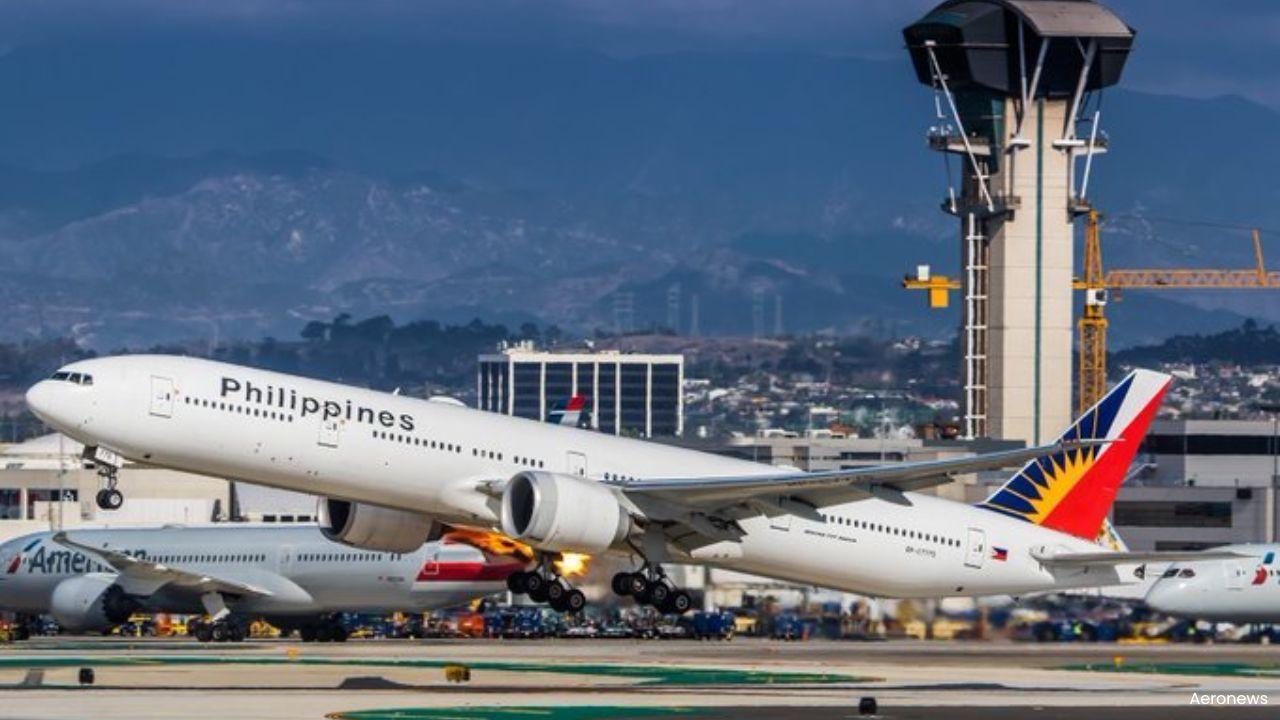
The Philippines’ aviation sector is entering turbulent territory as airlines begin cutting flights and adjusting operations in response to a rapidly escalating fuel crisis. Triggered by geopolitical tensions in the Middle East, the country has declared a national energy emergency, sending shockwaves across transportation networks. For airlines, the situation is immediate and operationally critical—fuel availability and pricing have become defining factors in whether flights can continue as scheduled.
Major carriers have already begun scaling back operations, with budget airline Cebu Pacific announcing temporary suspension of several international routes and reducing frequencies across key destinations. The cuts reflect a strategic attempt to conserve fuel while maintaining core operations. Airlines are prioritizing essential routes and high-demand sectors, ensuring that connectivity is preserved where it matters most, even as capacity is trimmed across the network.
At the heart of the crisis is a sharp spike in jet fuel prices, which have surged dramatically compared to previous years. Supply constraints are compounding the problem, with airlines facing challenges in securing fuel at multiple international airports. In some cases, carriers are being forced to carry additional fuel for return journeys due to uncertainty about refueling availability abroad adding weight, cost, and complexity to flight operations.
In response to the escalating situation, the Philippine government has declared a national energy emergency, becoming the first country to take such a step amid the ongoing global fuel crisis. A high-level task force has been established to ensure the continued availability and distribution of fuel across critical sectors, including aviation, public transport, and healthcare. The objective is clear, maintain operational continuity while managing limited resources in a volatile global environment.
While some carriers are cutting back, others are working to maintain stability. Philippine Airlines, for instance, has indicated that it has secured sufficient fuel supplies to continue operations for the near term. This divergence highlights how airline preparedness, financial resilience, and supplier relationships are becoming key differentiators in navigating the crisis.
The Philippines is not alone in facing disruptions. Across Asia, airlines and governments are taking emergency measures as fuel shortages ripple through the region. Flight reductions, energy-saving initiatives, and supply chain adjustments are becoming increasingly common, underscoring the vulnerability of aviation networks to global energy shocks. With a significant portion of oil supplies flowing through high-risk regions, the crisis is reshaping aviation strategies across the continent.
The Philippine aviation crisis highlights a critical shift in the global transportation landscape energy security is now as important as operational efficiency. As airlines adapt to rising costs and uncertain supply, the industry is being forced to rethink long-term strategies, from fuel sourcing to route planning. In this evolving environment, resilience, adaptability, and strategic foresight will define which carriers can navigate the turbulence ahead.
Philippines airline crisis 2026, jet fuel shortage aviation, Cebu Pacific flight cuts, aviation fuel price surge, airline operations disruption Asia, energy emergency aviation, flight reductions Philippines





Advances in Aerospace Technology and Commercial Aviation Recovery
Insights into breakthrough aerospace technologies and commercial aviation’s recovery amid 2025 chall

Defense Modernization and Strategic Spending Trends
Explore key trends in global defense modernization and strategic military spending shaping 2025 secu

Tens of Thousands Protest in Serbia on Anniversary of Deadly Roof Collapse
Tens of thousands in Novi Sad mark a year since a deadly station roof collapse that killed 16, prote

Canada PM Carney Apologizes to Trump Over Controversial Reagan Anti-Tariff Ad
Canadian PM Mark Carney apologized to President Trump over an Ontario anti-tariff ad quoting Reagan,

The ad that stirred a hornets nest, and made Canadian PM Carney say sorry to Trump
Canadian PM Mark Carney apologizes to US President Trump after a tariff-related ad causes diplomatic

Bengaluru-Mumbai Superfast Train Approved After 30-Year Wait
Railways approves new superfast train connecting Bengaluru and Mumbai, ending a 30-year demand, easi



