Post by : Avinab Raana
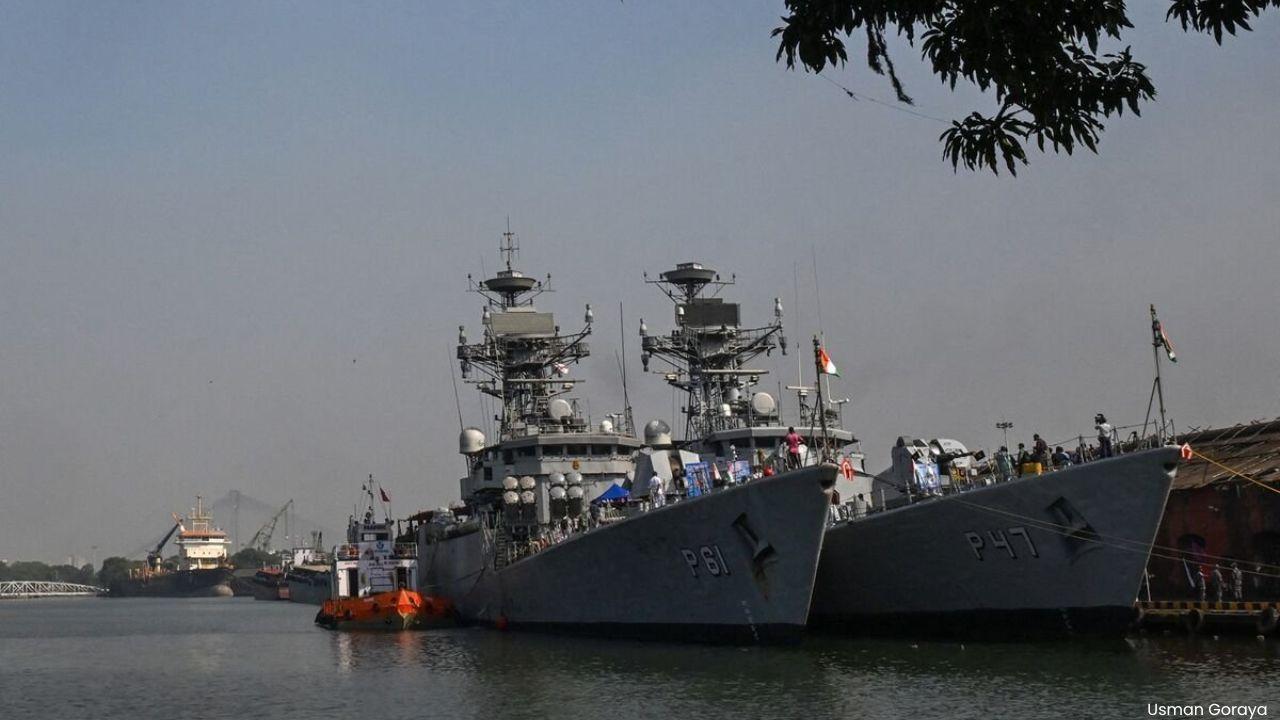
Photo : X / Usman Goraya
India’s maritime sector has taken a decisive step to shield exporters from mounting losses as key ports announce storage fee waivers for Gulf-bound shipments. The move comes amid severe disruptions in shipping routes to the Middle East, triggered by ongoing geopolitical tensions that have halted or delayed vessel movements. With thousands of containers stranded across major terminals, port authorities are stepping in with immediate financial relief—signaling a coordinated national effort to protect trade flows during a volatile global situation.
Major ports including Mundra and Jawaharlal Nehru Port Authority (JNPA) have rolled out comprehensive concessions aimed at reducing the financial burden on exporters. These include waivers on storage and ground rent charges for a defined period, alongside significant reductions in reefer plug-in fees for temperature-sensitive cargo.
In addition to storage relief, ports are also waiving ancillary costs such as handling and transportation charges in certain cases, especially for exporters choosing to retrieve their cargo amid uncertain sailing schedules. These measures are designed to provide breathing room for businesses grappling with delays, allowing them to reassess shipment strategies without incurring escalating port expenses.
The waiver initiative is a direct response to the ongoing disruption of maritime routes connecting India to Gulf markets. Shipping lines have either suspended services or rerouted vessels, leading to a buildup of containers at port terminals.
For exporters, particularly those dealing in perishables such as fruits, vegetables, and seafood.The delays have been especially damaging. Cargo requiring refrigeration faces not only time sensitivity but also high daily storage costs, making the waivers a crucial intervention to prevent widespread financial losses.
While offering relief, port authorities are also managing increased congestion and operational pressure. Additional storage spaces are being allocated, and coordination with customs and logistics agencies has been intensified to ensure that cargo movement remains as smooth as possible under the circumstances.
This balancing act highlights the evolving role of ports not just as infrastructure hubs but as active facilitators of trade continuity. By adapting quickly to external disruptions, Indian ports are demonstrating operational resilience in a highly uncertain environment.
Despite the relief on port-side charges, exporters continue to face rising ocean freight rates and limited shipping capacity. With fewer vessels operating on Gulf routes and increased war-risk premiums, logistics costs remain elevated.
This dual reality reduced port costs but rising shipping expenses underscores the complexity of the current crisis. While port waivers provide immediate support, long-term stability will depend on the normalization of global shipping routes and improved vessel availability.
The introduction of fee waivers reflects a broader strategic intent to ensure that India’s export ecosystem remains resilient in the face of global disruptions. By cushioning the financial impact on exporters, port authorities are helping maintain trade momentum and prevent supply chain breakdowns.
As geopolitical uncertainties continue to reshape global logistics, such proactive measures could become a defining feature of modern port operations. For India, this is not just a short-term response but a step toward building a more adaptive and resilient maritime infrastructure.
Indian ports fee waiver, Gulf export shipments India, JNPA storage waiver, Mundra port charges relief





Advances in Aerospace Technology and Commercial Aviation Recovery
Insights into breakthrough aerospace technologies and commercial aviation’s recovery amid 2025 chall

Defense Modernization and Strategic Spending Trends
Explore key trends in global defense modernization and strategic military spending shaping 2025 secu

Tens of Thousands Protest in Serbia on Anniversary of Deadly Roof Collapse
Tens of thousands in Novi Sad mark a year since a deadly station roof collapse that killed 16, prote

Canada PM Carney Apologizes to Trump Over Controversial Reagan Anti-Tariff Ad
Canadian PM Mark Carney apologized to President Trump over an Ontario anti-tariff ad quoting Reagan,

The ad that stirred a hornets nest, and made Canadian PM Carney say sorry to Trump
Canadian PM Mark Carney apologizes to US President Trump after a tariff-related ad causes diplomatic

Bengaluru-Mumbai Superfast Train Approved After 30-Year Wait
Railways approves new superfast train connecting Bengaluru and Mumbai, ending a 30-year demand, easi



