Post by : Avinab Raana
Photo : X / Electrek.co
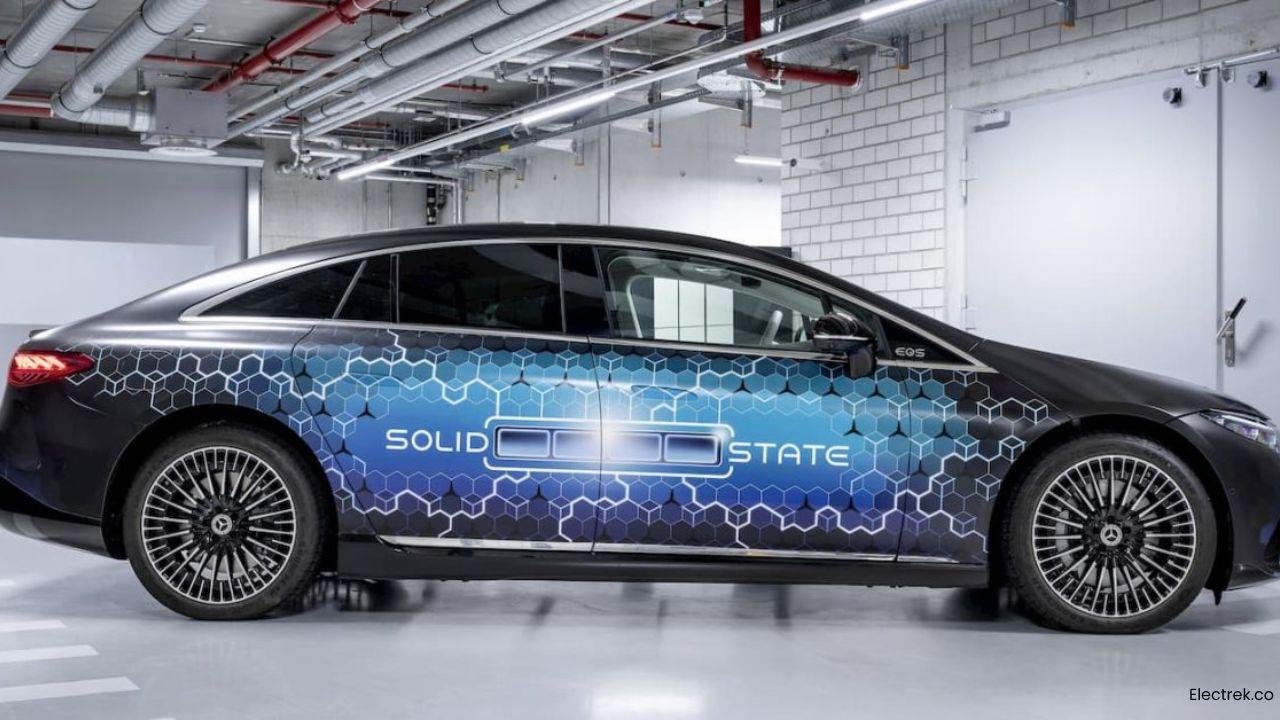
Factorial Energy, a high-profile developer of all-solid-state EV battery technology, has announced that it is advancing toward full production readiness, a development many in the automotive industry see as a pivotal step toward next-generation electric vehicle performance. The move signals momentum in the race to bring safer, more energy-dense batteries out of labs and into real-world EV applications, potentially reshaping how electric vehicles deliver range, charging speed and overall reliability.
All-solid-state batteries which replace the liquid electrolyte of traditional lithium-ion cells with a solid material have long been seen as the “holy grail” of EV energy storage due to their potential to dramatically improve energy density while reducing safety risks. Factorial’s progress brings that vision closer to commercial reality.
Traditional EV batteries rely on liquid electrolytes that, while effective, come with constraints related to energy density, weight and safety risks such as thermal runaway. In contrast, all-solid-state EV batteries use solid electrolytes that can enable higher energy storage in a smaller package and inherently reduce flammability. The result could be vehicles with substantially greater range per charge, faster charging times and improved operational safety, three of the most significant consumer concerns about EV adoption.Factorial’s manufacturing push underscores the importance of this technology as automakers and suppliers race to overcome the limitations of current battery chemistries.
According to company officials, the next phase for Factorial involves scaling its solid-state cell designs into pilot production lines capable of servicing automotive and commercial partners. This transitional stage is essential: it validates manufacturability, cost targets and consistent quality at volumes that could support vehicle production timelines.
Unlike incremental improvements on existing battery formats, solid-state technology requires new approaches to materials processing, interface stability and packaging. Factorial’s advancements suggest that these hurdles are being addressed at commercial scale, a notable achievement given the complexity of solid-state systems.
Industry observers view this progress as a bellwether for future EV development strategies, where advanced battery platforms may eclipse conventional lithium-ion cells in performance and desirability.
Should Factorial successfully transition to high-volume production, multiple key benefits could follow for electric vehicles. Higher energy density often translates directly into extended vehicle range, a major selling point for EV buyers. Faster charging capability also becomes more feasible when batteries can tolerate higher current flows without compromising safety or longevity.
Safety itself is another major advantage. Solid-state electrolytes are significantly less prone to overheating or ignition than liquid systems. For consumers and fleet operators alike, this enhanced safety profile could reduce one of the most visible barriers to broader EV acceptance.
Factorial’s progress is likely to attract heightened interest from automakers, battery suppliers and technology partners seeking to integrate or license next-generation energy storage solutions. Traditional players, from legacy cell manufacturers to tier-one EV suppliers, are also investing heavily in solid-state research, making it one of the most competitive and strategically important innovation fronts in the EV battery breakthrough space.
As more companies push toward commercialisation, the marketplace for solid-state batteries could become a key differentiator among EV brands, particularly for performance-oriented or long-range models.
Factorial’s move toward production represents a potential turning point in the evolution of EV batteries. While timing and widespread adoption remain to be seen, this development adds tangible momentum to the concept that all-solid-state batteries may soon play a central role in future electric vehicle designs.
By accelerating production readiness, Factorial not only advances its own technology but also helps elevate the broader narrative around safer, more capable and higher-performing EVs. As the industry continues to push toward cleaner and more efficient mobility solutions, the arrival of all-solid-state battery production could mark a watershed moment in electric transportation’s next chapter.
all-solid-state EV battery, Factorial production progress, EV battery breakthrough









Advances in Aerospace Technology and Commercial Aviation Recovery
Insights into breakthrough aerospace technologies and commercial aviation’s recovery amid 2025 chall

Defense Modernization and Strategic Spending Trends
Explore key trends in global defense modernization and strategic military spending shaping 2025 secu

Tens of Thousands Protest in Serbia on Anniversary of Deadly Roof Collapse
Tens of thousands in Novi Sad mark a year since a deadly station roof collapse that killed 16, prote

Canada PM Carney Apologizes to Trump Over Controversial Reagan Anti-Tariff Ad
Canadian PM Mark Carney apologized to President Trump over an Ontario anti-tariff ad quoting Reagan,

The ad that stirred a hornets nest, and made Canadian PM Carney say sorry to Trump
Canadian PM Mark Carney apologizes to US President Trump after a tariff-related ad causes diplomatic

Bengaluru-Mumbai Superfast Train Approved After 30-Year Wait
Railways approves new superfast train connecting Bengaluru and Mumbai, ending a 30-year demand, easi



