Post by : Saif
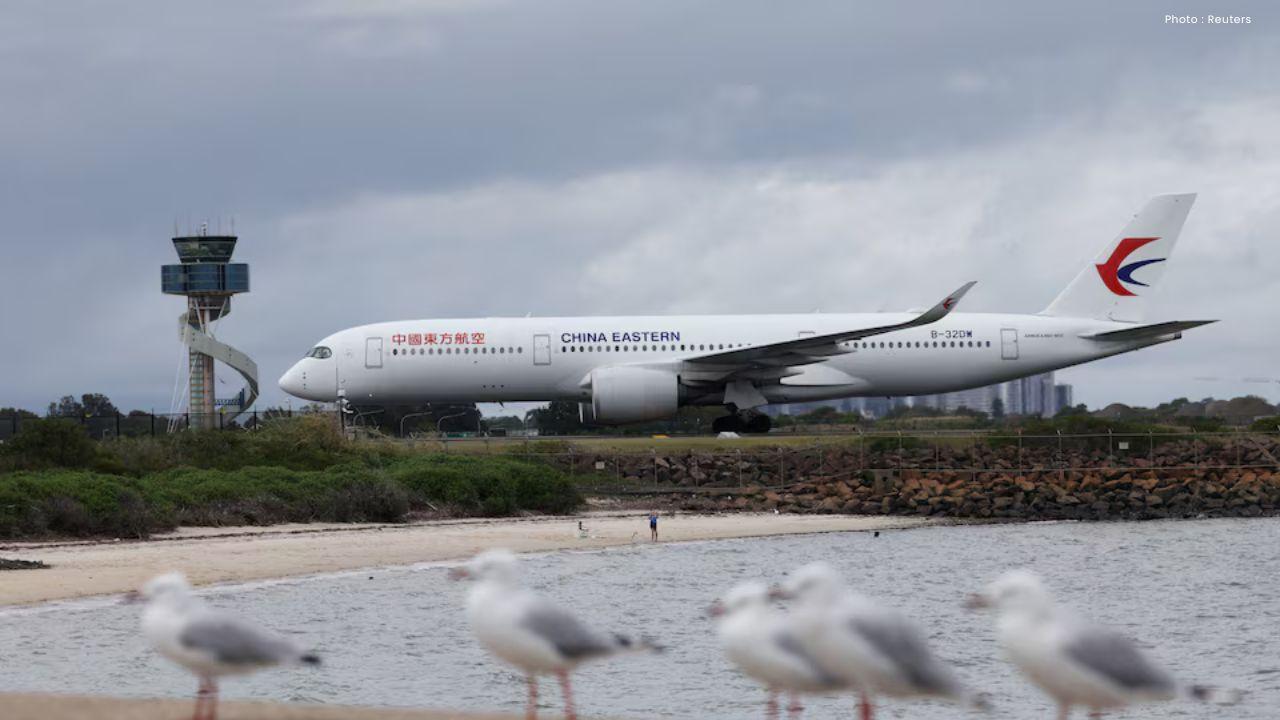
China’s leading airlines are facing a difficult future as rising fuel prices linked to the Iran war continue to shake the global aviation industry. The situation shows how a conflict in one region can quickly affect businesses and travelers around the world.
Major carriers in China, including Air China, China Eastern Airlines, and China Southern Airlines, have warned that their financial outlook for the coming year is uncertain. These airlines are already dealing with losses and expect more pressure due to the rising cost of jet fuel.
The main reason for this concern is the sharp increase in oil prices caused by the ongoing conflict involving Iran. As tensions in the Middle East grow, oil supply has been disrupted, pushing prices higher across global markets. For airlines, fuel is one of the biggest expenses, and even a small increase can have a large impact on profits.
Reports show that jet fuel prices have more than doubled since the start of the conflict. This sudden rise has made it much harder for airlines to manage their costs. In some cases, fuel can account for nearly 40% of an airline’s operating expenses, making it a critical factor in financial planning.
Despite a strong recovery in travel demand during 2025, Chinese airlines have already started to feel the pressure. While international travel increased earlier in the year, the situation changed in the later months. Airlines reported losses in the final quarter, showing how quickly conditions can shift when fuel costs rise.
The problem is not limited to China. Airlines around the world are facing similar challenges. Many are increasing ticket prices, adding fuel surcharges, or cutting routes to deal with higher costs. This means passengers may soon have to pay more for flights, especially for long-distance travel.
Another challenge for airlines is that they cannot always pass the full cost of fuel onto customers. While ticket prices can be increased, there is a limit to how much travelers are willing to pay. If prices become too high, people may choose not to travel, which can reduce demand and create further losses for airlines.
Some airlines try to protect themselves by “hedging,” which means they lock in fuel prices in advance. However, this strategy does not always work perfectly. In the current situation, even airlines that used hedging are still facing higher costs because jet fuel prices have risen faster than expected.
The broader economic impact is also a concern. Higher fuel costs do not just affect airlines; they influence many industries, including tourism, trade, and manufacturing. As transport becomes more expensive, the cost of goods and services can rise, adding pressure to economies already dealing with uncertainty.
China, being one of the world’s largest energy importers, is especially sensitive to changes in oil prices. While it has some reserves to manage short-term shocks, continued high prices could slow down economic growth and affect global trade.
At the same time, airlines are trying to prepare for the future. Chinese carriers are expanding their fleets and investing in new aircraft, including domestically produced jets. However, delays in aircraft deliveries and rising costs are making it harder to plan ahead.
The ongoing conflict has created a situation where airlines must balance growth with caution. They want to take advantage of rising travel demand, but they must also be careful not to increase costs too quickly.
This crisis highlights a larger issue: the deep connection between global politics and everyday life. A war in one part of the world can raise fuel prices, increase ticket costs, and affect travel plans for millions of people.
Leaders and policymakers must understand the wider impact of such conflicts. While military and political goals may drive decisions, the economic consequences are felt by ordinary people and businesses.
The aviation industry, which connects countries and supports global trade, depends heavily on stability. Without it, airlines struggle, and the effects spread across the world.
In the end, the cautious outlook of China’s airlines is not just about business. It is a warning sign for the global economy. If fuel prices continue to rise and the conflict continues, the impact could be long-lasting.
#trending #latest #ChinaAirlines #IranWarImpact #GlobalAviation #FuelPrices #AirTravelCrisis #OilPrices #WorldEconomy #TravelNews #AviationIndustry #Geopolitics






Advances in Aerospace Technology and Commercial Aviation Recovery
Insights into breakthrough aerospace technologies and commercial aviation’s recovery amid 2025 chall

Defense Modernization and Strategic Spending Trends
Explore key trends in global defense modernization and strategic military spending shaping 2025 secu

Tens of Thousands Protest in Serbia on Anniversary of Deadly Roof Collapse
Tens of thousands in Novi Sad mark a year since a deadly station roof collapse that killed 16, prote

Canada PM Carney Apologizes to Trump Over Controversial Reagan Anti-Tariff Ad
Canadian PM Mark Carney apologized to President Trump over an Ontario anti-tariff ad quoting Reagan,

The ad that stirred a hornets nest, and made Canadian PM Carney say sorry to Trump
Canadian PM Mark Carney apologizes to US President Trump after a tariff-related ad causes diplomatic

Bengaluru-Mumbai Superfast Train Approved After 30-Year Wait
Railways approves new superfast train connecting Bengaluru and Mumbai, ending a 30-year demand, easi



