Post by : Avinab Raana
Photo : X / Electrek.co
A dramatic transformation is underway in the UK’s energy landscape as households increasingly abandon fossil fuels in response to soaring prices triggered by the Iran conflict. The disruption of global oil and gas supplies has pushed energy costs to new highs, forcing consumers to rethink their dependence on traditional fuels. What was once a gradual transition toward clean energy has now accelerated into a rapid, consumer-driven movement where cost savings and energy security are becoming the primary motivators.
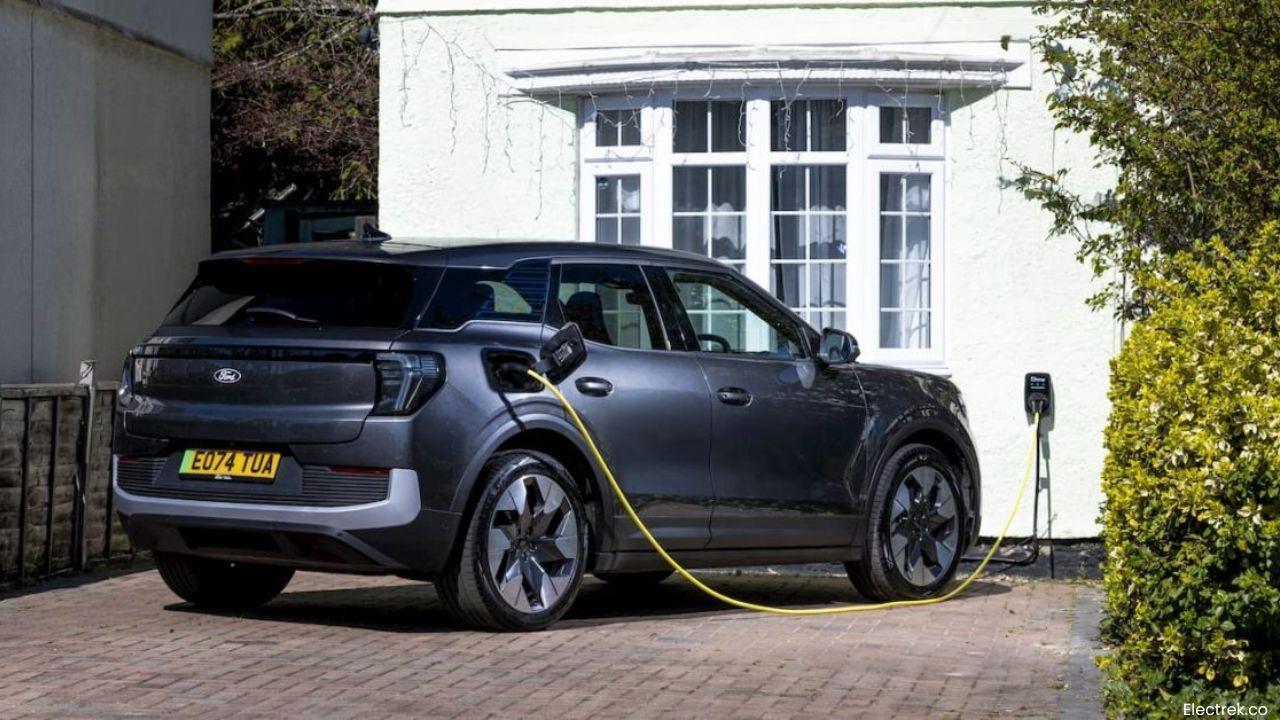
The surge in energy prices has led to an unprecedented spike in demand for renewable and electric technologies across UK households. Solar panel installations have risen sharply, with more homeowners opting for larger systems to maximize self-sufficiency. Heat pump adoption has also surged as households move away from gas-based heating, while interest in electric vehicle charging infrastructure continues to climb.
This is not just a rise in curiosity, it is a full-scale adoption wave. Households are no longer exploring alternatives; they are actively investing in technologies that allow them to reduce reliance on volatile fossil fuel markets.
The driving force behind this shift is simple predictability. With fossil fuel prices fluctuating sharply due to geopolitical instability, UK households are seeking long-term cost control. Clean energy solutions such as solar and heat pumps offer a way to lock in lower, more stable energy costs, reducing exposure to global market shocks.
This trend reflects a broader psychological shift among consumers. Energy is no longer seen as just a utility expense. It is now a strategic investment. Households are prioritizing technologies that provide autonomy and resilience in an increasingly uncertain energy environment.
The rapid adoption of clean technologies is also aligning with the UK government’s long-term energy strategy. Upcoming regulations are set to mandate low-carbon solutions such as solar panels and heat pumps in new homes, reinforcing the transition toward sustainable energy systems.
This policy support, combined with rising consumer demand, is creating a powerful feedback loop accelerating the pace of energy transition far beyond initial projections. It highlights how external shocks, such as geopolitical conflicts, can fast-track structural changes in national energy systems.
The shift is not limited to households, it is reshaping the broader energy and transportation ecosystem. Increased adoption of electric vehicles and renewable systems is driving growth across multiple sectors, from manufacturing to infrastructure development. Energy providers are also adapting by offering faster installation timelines and scalable solutions to meet rising demand. This transformation signals a turning point where clean energy technologies are no longer niche alternatives but mainstream solutions driven by both necessity and economic logic.
The UK’s rapid shift away from fossil fuels underscores a critical global trend energy crises are becoming catalysts for transformation. While geopolitical instability continues to disrupt traditional supply chains, it is simultaneously accelerating the adoption of cleaner, more resilient energy systems.
In the long run, this transition could redefine how nations approach energy security. For the UK, the message is clear: dependence on global fossil fuel markets is no longer sustainable, and the future lies in localized, renewable energy solutions.
UK energy crisis, solar adoption UK, heat pump demand UK, fossil fuel price spike










Advances in Aerospace Technology and Commercial Aviation Recovery
Insights into breakthrough aerospace technologies and commercial aviation’s recovery amid 2025 chall

Defense Modernization and Strategic Spending Trends
Explore key trends in global defense modernization and strategic military spending shaping 2025 secu

Tens of Thousands Protest in Serbia on Anniversary of Deadly Roof Collapse
Tens of thousands in Novi Sad mark a year since a deadly station roof collapse that killed 16, prote

Canada PM Carney Apologizes to Trump Over Controversial Reagan Anti-Tariff Ad
Canadian PM Mark Carney apologized to President Trump over an Ontario anti-tariff ad quoting Reagan,

The ad that stirred a hornets nest, and made Canadian PM Carney say sorry to Trump
Canadian PM Mark Carney apologizes to US President Trump after a tariff-related ad causes diplomatic

Bengaluru-Mumbai Superfast Train Approved After 30-Year Wait
Railways approves new superfast train connecting Bengaluru and Mumbai, ending a 30-year demand, easi



