Post by : Avinab Raana
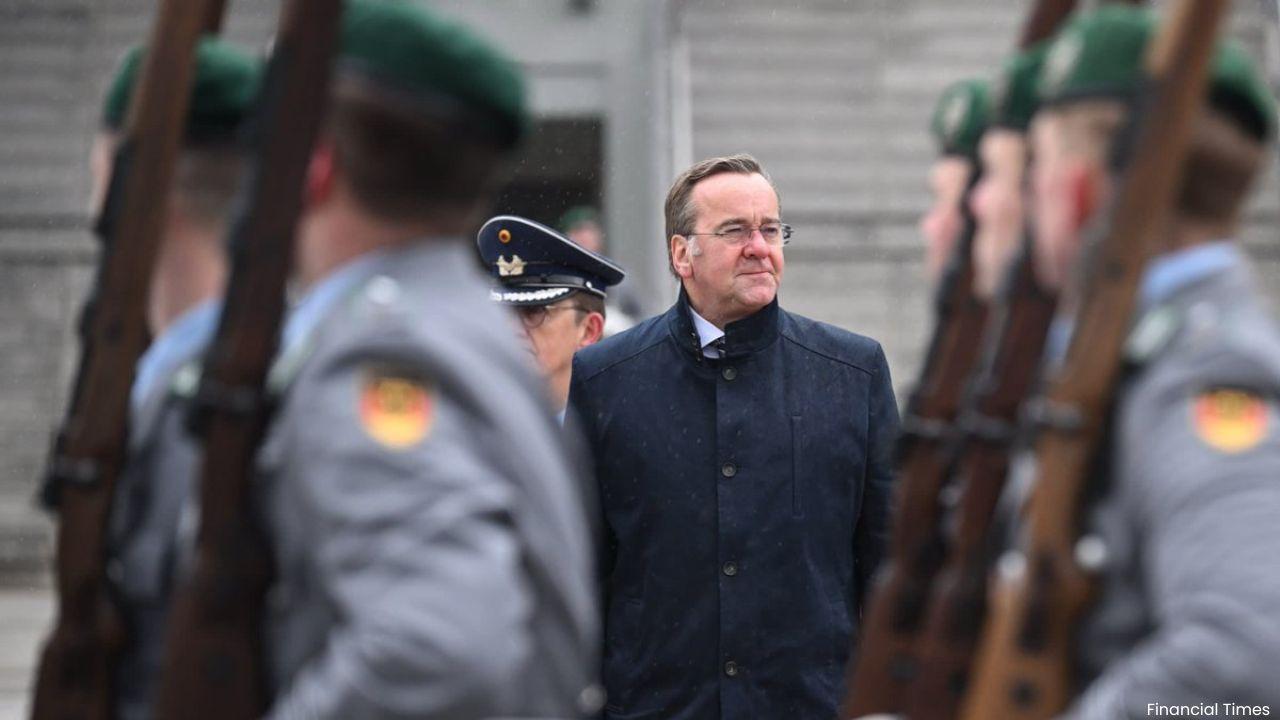
Photo : X / Financial Times
The Strait of Hormuz, one of the most strategically important maritime passages in the world, has once again become the center of geopolitical debate. As tensions in West Asia intensify, the United States has been encouraging allied nations to join a naval mission aimed at protecting commercial shipping moving through the narrow waterway. However, several NATO members are showing reluctance to commit military resources to the proposed operation, highlighting growing divisions within the alliance over how to respond to the evolving security situation.
The importance of the Strait of Hormuz cannot be overstated. A significant share of the world’s oil and energy shipments passes through this narrow corridor that connects the Persian Gulf with international waters. Any disruption to traffic in the region has the potential to send immediate shockwaves through global energy markets, affecting fuel prices and international trade. Because of this, maintaining safe passage through the strait has long been considered a strategic priority for many global powers.
Despite the strategic importance of the region, NATO allies are approaching the proposal cautiously. Many European governments are weighing the risks associated with deploying naval forces to an already tense region. Military involvement in the Strait of Hormuz could potentially increase tensions and draw additional countries into the conflict. For several governments, the decision is not simply about maritime security but about balancing stability with the risk of escalation.
Another factor contributing to the hesitation is the fear that additional military deployments could intensify geopolitical tensions rather than stabilize the situation. The Strait of Hormuz sits at the crossroads of multiple regional rivalries, making it one of the most sensitive maritime zones in the world. Introducing more naval forces into the area may provide security for shipping, but it also increases the possibility of unintended confrontations between military vessels operating in close proximity.
Ensuring the safety of commercial shipping routes has become increasingly complex in today’s geopolitical environment. Shipping companies and energy traders depend heavily on stable maritime corridors to maintain global supply chains. Any threat to these routes can have far-reaching consequences, impacting industries ranging from energy to manufacturing. As a result, governments must carefully consider how best to safeguard maritime trade without triggering broader instability.
The debate surrounding the Strait of Hormuz mission highlights broader questions about international cooperation in times of crisis. NATO’s hesitation reflects the complex political calculations that often shape military alliances. Member states must balance national interests, regional stability, and alliance commitments when deciding how to respond to emerging security challenges.
As tensions continue to evolve in the region, the world will be watching closely to see whether a coordinated maritime security strategy emerges. The outcome could shape how global powers approach the protection of critical shipping routes in an increasingly unpredictable geopolitical landscape.
#trending #latest, NATO Hormuz mission, Strait of Hormuz security, US naval escort plan, global oil shipping route, NATO military strategy Gulf, maritime security Hormuz, Middle East shipping tensions, global energy trade routes





Advances in Aerospace Technology and Commercial Aviation Recovery
Insights into breakthrough aerospace technologies and commercial aviation’s recovery amid 2025 chall

Defense Modernization and Strategic Spending Trends
Explore key trends in global defense modernization and strategic military spending shaping 2025 secu

Tens of Thousands Protest in Serbia on Anniversary of Deadly Roof Collapse
Tens of thousands in Novi Sad mark a year since a deadly station roof collapse that killed 16, prote

Canada PM Carney Apologizes to Trump Over Controversial Reagan Anti-Tariff Ad
Canadian PM Mark Carney apologized to President Trump over an Ontario anti-tariff ad quoting Reagan,

The ad that stirred a hornets nest, and made Canadian PM Carney say sorry to Trump
Canadian PM Mark Carney apologizes to US President Trump after a tariff-related ad causes diplomatic

Bengaluru-Mumbai Superfast Train Approved After 30-Year Wait
Railways approves new superfast train connecting Bengaluru and Mumbai, ending a 30-year demand, easi



