Post by : Avinab Raana
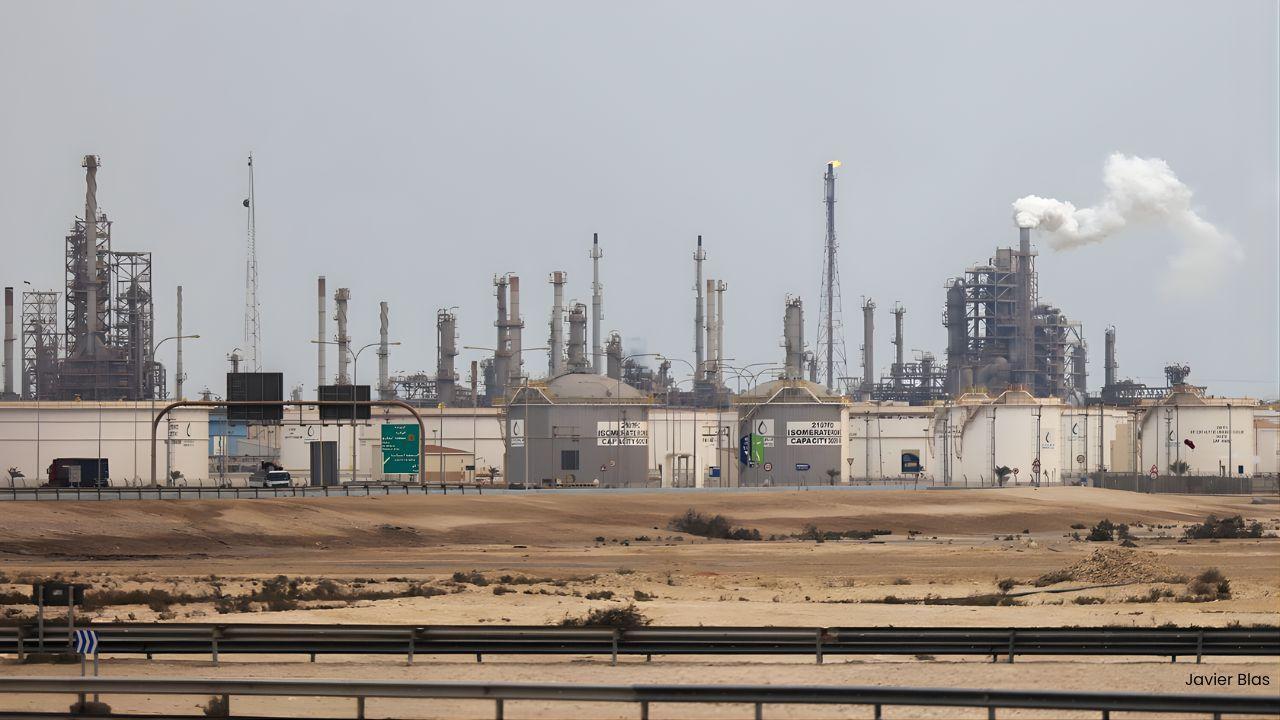
Photo : X / Javier Blas
A major shift is unfolding across Asia’s energy landscape as countries increasingly turn to coal to offset a sharp squeeze in liquefied natural gas (LNG) supplies. The disruption, triggered by the ongoing Iran conflict, has choked one of the world’s most critical energy corridors, the Strait of Hormuz through which a significant portion of global LNG flows. For Asia, which relies heavily on imported LNG, the fallout has been immediate and severe, forcing governments and utilities to seek alternative energy sources to maintain power stability.
The conflict has significantly reduced LNG availability in global markets, with key exporters facing operational setbacks and shipping routes becoming increasingly uncertain. Asia, which depends on Gulf supplies for a substantial share of its energy needs, has been hit hardest. Analysts now expect LNG demand growth in the region to slow sharply, with imports declining due to both supply shortages and skyrocketing prices.
At the same time, LNG prices have surged dramatically, making it unaffordable for several developing Asian economies. This price shock is pushing countries to reconsider their energy mix, with coal emerging as the most immediate and accessible alternative.
Faced with the risk of energy shortages and blackouts, countries including India, China, South Korea, and Southeast Asian nations are ramping up coal usage to bridge the gap. While coal offers reliability and domestic availability, the shift represents a significant setback for global climate goals and clean energy commitments.
Coal demand is already showing signs of resurgence, with prices rising and domestic production being prioritized in key exporting nations. This pivot highlights a harsh reality when energy security is threatened, sustainability often takes a backseat to immediate operational needs.
The shift from LNG to coal is also reshaping maritime trade patterns. While LNG shipping volumes are under pressure due to disrupted routes and limited cargo availability, dry bulk shipping particularly coal transport is seeing renewed momentum. Increased coal shipments across Asia are driving demand for bulk carriers, altering freight dynamics and creating new opportunities for shipping operators.
At the same time, higher fuel costs and longer rerouting distances are adding pressure on overall shipping economics, reinforcing the interconnected nature of global energy and maritime supply chains.
The energy crunch is cascading across industries, with manufacturing, chemicals, and heavy industries facing rising input costs. Countries with limited financial flexibility are particularly vulnerable, as they struggle to balance energy affordability with economic growth.
This situation is forcing governments to implement emergency measures, including power rationing, subsidies, and policy adjustments to stabilize domestic markets. The long-term economic implications could be significant, especially if disruptions persist.
Asia’s pivot back to coal underscores a broader structural challenge overdependence on volatile global energy supply chains. While LNG was once seen as a cleaner bridge fuel, the current crisis has exposed its vulnerability to geopolitical shocks.
As the region navigates this turbulence, the future of energy strategy is likely to shift toward diversification, increased domestic production, and accelerated renewable adoption. However, in the immediate term, coal remains the fallback that is keeping economies running.
In a world defined by uncertainty, Asia’s energy decisions today could reshape not just regional markets, but the global trajectory of energy transition and maritime trade.
Asia coal demand surge, LNG supply crisis, Iran war shipping impact, global energy trade disruption






Advances in Aerospace Technology and Commercial Aviation Recovery
Insights into breakthrough aerospace technologies and commercial aviation’s recovery amid 2025 chall

Defense Modernization and Strategic Spending Trends
Explore key trends in global defense modernization and strategic military spending shaping 2025 secu

Tens of Thousands Protest in Serbia on Anniversary of Deadly Roof Collapse
Tens of thousands in Novi Sad mark a year since a deadly station roof collapse that killed 16, prote

Canada PM Carney Apologizes to Trump Over Controversial Reagan Anti-Tariff Ad
Canadian PM Mark Carney apologized to President Trump over an Ontario anti-tariff ad quoting Reagan,

The ad that stirred a hornets nest, and made Canadian PM Carney say sorry to Trump
Canadian PM Mark Carney apologizes to US President Trump after a tariff-related ad causes diplomatic

Bengaluru-Mumbai Superfast Train Approved After 30-Year Wait
Railways approves new superfast train connecting Bengaluru and Mumbai, ending a 30-year demand, easi



