Post by : Avinab Raana
Photo : X / Magadh Updates
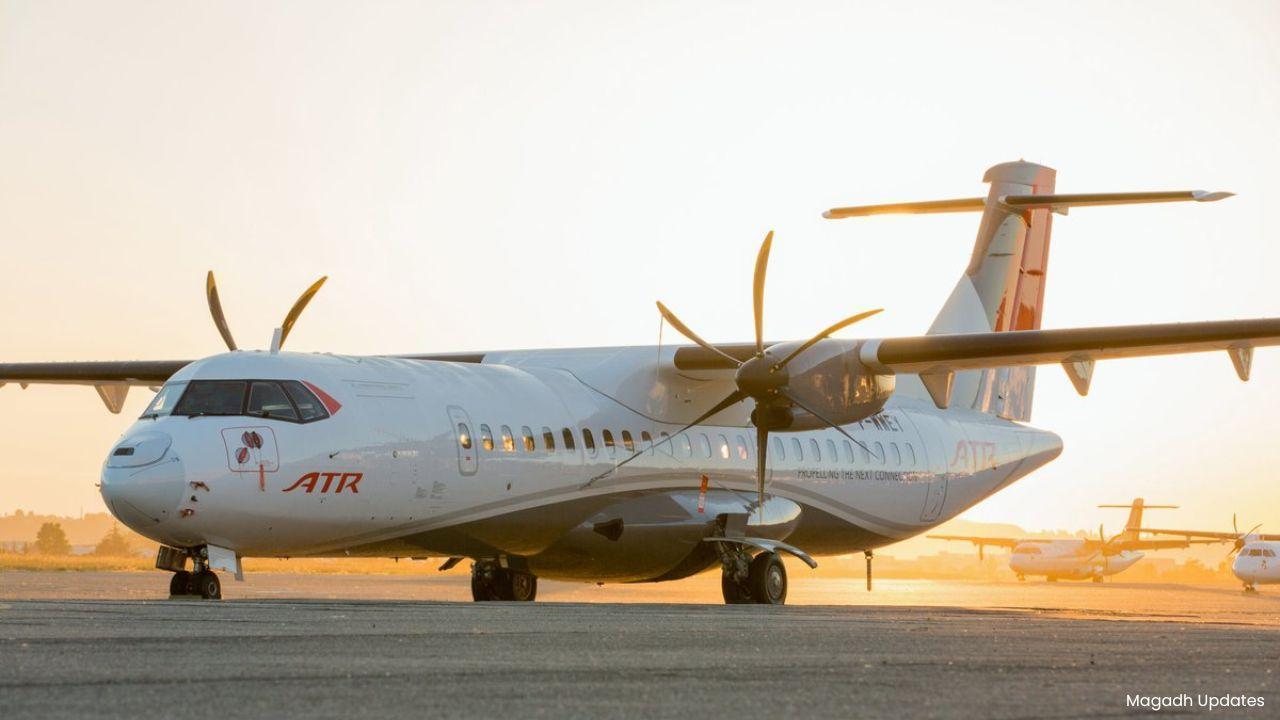
In a development that could reshape India’s aviation manufacturing landscape, Airbus is actively evaluating the possibility of setting up a final assembly line for ATR turboprop aircraft in the country. The move reflects a deeper strategic shift—one where India is no longer just a high-growth aviation market, but a serious contender as a global aerospace manufacturing hub. As demand for regional air connectivity surges, Airbus is aligning itself with India’s long-term vision of building a self-reliant aviation ecosystem.
At the core of Airbus’ interest lies India’s aggressive push toward regional connectivity. Government-backed initiatives aimed at linking smaller cities and underserved regions are creating a strong demand for turboprop aircraft like the ATR 42-600 and ATR 72-600. These aircraft are specifically designed for short-haul routes and can operate efficiently from smaller airstrips making them ideal for India’s diverse geographic and infrastructural landscape.
Airlines are already capitalizing on this trend, expanding their turboprop fleets to tap into new regional routes. This growing demand has made India one of the most critical global markets for ATR aircraft, prompting Airbus to explore local assembly as a way to scale production and reduce delivery timelines.
Airbus is not entering uncharted territory. The company has already established a significant industrial footprint in India through multiple final assembly lines and partnerships. Existing facilities include the production of C295 military transport aircraft in Vadodara and helicopter assembly operations in Karnataka.
Beyond assembly, Airbus has nurtured a robust supplier ecosystem in India, with local companies contributing key aircraft components. This established infrastructure significantly lowers the barrier for expanding into ATR assembly, making the transition both strategically viable and economically attractive. Localization could also reduce acquisition costs for airlines, an essential factor in India’s price-sensitive aviation market.
Airbus’s evaluation comes at a time when global aircraft manufacturers are racing to establish a manufacturing presence in India. Competitors are already exploring similar assembly initiatives, signaling a broader industrial shift where India is becoming a focal point for aerospace production rather than just consumption.
This competitive pressure is accelerating decision-making timelines. For Airbus, setting up an ATR assembly line is not just about capturing demand—it’s about securing a long-term foothold in a market that is expected to dominate regional aviation growth over the next decade.
Despite the strong opportunity, Airbus faces critical challenges before committing to the investment. High operating costs in India including fuel prices, airport charges, and regulatory expenses continue to impact airline profitability, particularly on regional routes.
Additionally, the success of an assembly line will depend on sustained aircraft orders and long-term policy support. Without a stable demand pipeline, large-scale manufacturing investments could face financial risks. These factors are central to Airbus’s ongoing feasibility assessment.
If realized, the ATR final assembly line would mark a defining moment for India’s aerospace ambitions. It would not only boost domestic manufacturing capabilities but also strengthen India’s position in the global aviation supply chain. More importantly, it would signal a transition from dependency to capability, where India becomes a producer of next-generation aviation solutions rather than just a consumer. As Airbus weighs its options, one thing is clear: the future of regional aviation is increasingly being shaped in India—and global aerospace giants are taking notice.
Airbus India ATR assembly, regional aviation India, turboprop aircraft India, Make in India aerospace, ATR 72 India demand









Advances in Aerospace Technology and Commercial Aviation Recovery
Insights into breakthrough aerospace technologies and commercial aviation’s recovery amid 2025 chall

Defense Modernization and Strategic Spending Trends
Explore key trends in global defense modernization and strategic military spending shaping 2025 secu

Tens of Thousands Protest in Serbia on Anniversary of Deadly Roof Collapse
Tens of thousands in Novi Sad mark a year since a deadly station roof collapse that killed 16, prote

Canada PM Carney Apologizes to Trump Over Controversial Reagan Anti-Tariff Ad
Canadian PM Mark Carney apologized to President Trump over an Ontario anti-tariff ad quoting Reagan,

The ad that stirred a hornets nest, and made Canadian PM Carney say sorry to Trump
Canadian PM Mark Carney apologizes to US President Trump after a tariff-related ad causes diplomatic

Bengaluru-Mumbai Superfast Train Approved After 30-Year Wait
Railways approves new superfast train connecting Bengaluru and Mumbai, ending a 30-year demand, easi



