Post by : Saif
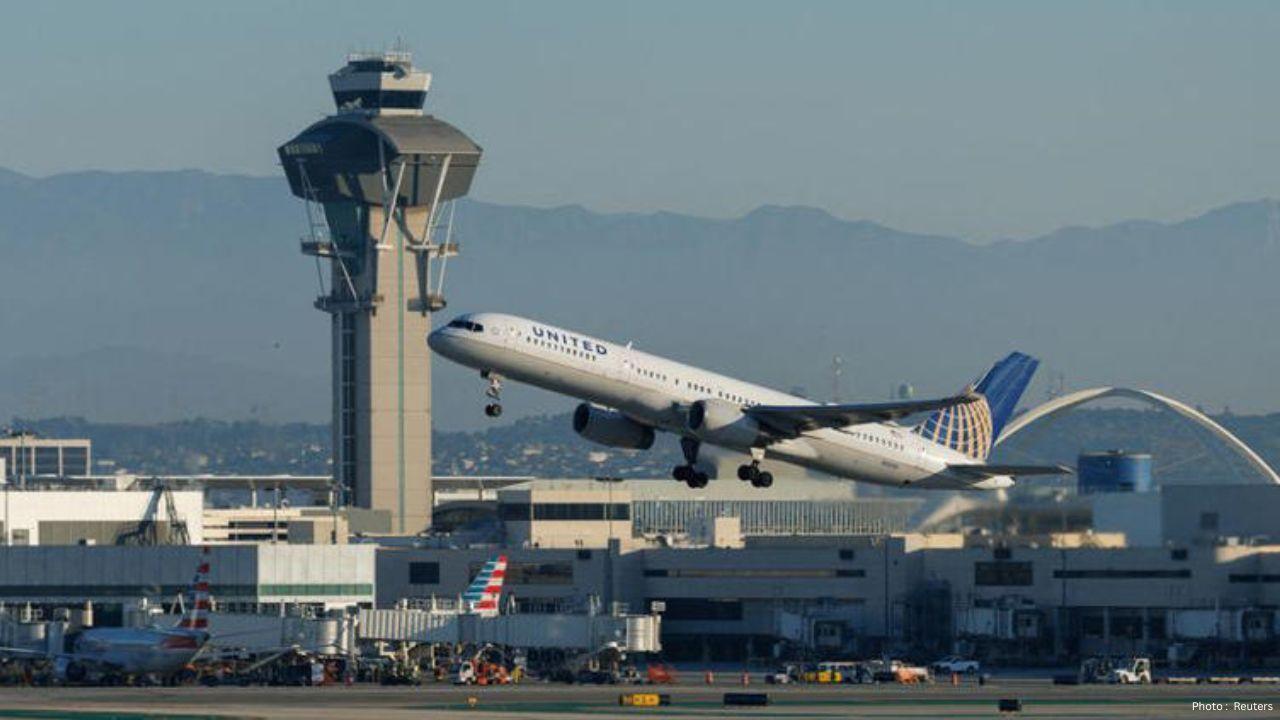
US airlines are facing higher operating costs as a jump in jet fuel prices widens the difference in profits between major carriers and low-cost airlines. The rise in fuel expenses is creating pressure across the aviation industry, affecting earnings, pricing strategies, and long-term business plans.
Fuel is one of the biggest expenses for airlines, and even small changes in price can have a major impact on overall costs. When fuel becomes more expensive, airlines must adjust how they manage routes, ticket prices, and operational efficiency. This impact is not equal for all carriers, which is increasing the gap in performance between companies.
Large airlines with strong financial reserves are better positioned to handle sudden cost increases. These carriers often have access to fuel hedging strategies, which help them lock in prices in advance and reduce risk. They also operate a wide network of domestic and international routes, giving them more flexibility to balance losses in one area with gains in another.
Budget airlines, however, face greater pressure. With lower margins and fewer financial buffers, they are more exposed to fuel price changes. Many low-cost carriers depend heavily on keeping expenses minimal while offering competitive ticket prices. When fuel costs rise, they often struggle to maintain the same level of affordability without affecting profitability.
The aviation sector has already been dealing with shifting demand patterns in recent years. Passenger travel has recovered strongly in many regions, but cost pressures continue to challenge airlines. Rising fuel prices add another layer of difficulty at a time when companies are still adjusting to post-disruption market conditions.
Airline executives are closely monitoring global oil markets, where prices are influenced by supply decisions, geopolitical tensions, and economic trends. These external factors make fuel costs unpredictable, forcing airlines to prepare for sudden changes in expenses.
To manage these risks, many airlines use financial tools such as hedging contracts. However, the effectiveness of these tools depends on timing and strategy. Some airlines benefit more than others, which adds to the growing difference in financial performance across the industry.
Another key factor is fleet efficiency. Airlines operating newer aircraft often enjoy better fuel efficiency, which helps reduce overall consumption. Older fleets, on the other hand, tend to use more fuel, increasing exposure to price fluctuations.
Route structure also plays an important role. Long-haul international flights require significantly more fuel than short domestic routes. Airlines with heavier exposure to long-distance travel are therefore more sensitive to fuel price increases compared to carriers focused mainly on regional travel.
As fuel prices rise, airlines are also adjusting ticket pricing. In many cases, higher operating costs are passed on to passengers. This can lead to more expensive airfare, especially during peak travel seasons or on popular routes. However, raising prices too much can reduce demand, creating a difficult balance for airlines.
Despite these challenges, demand for air travel remains strong. Business travel, tourism, and cargo services continue to support the industry. This steady demand helps airlines maintain revenue, even as costs rise.
The widening profit gap between airlines reflects deeper differences in business models. Full-service carriers, low-cost operators, and hybrid airlines all respond differently to financial pressure. These structural differences become more visible when fuel prices increase sharply.
Investors are closely watching these trends, as airline performance often depends on how well companies manage cost pressures. Airlines that control expenses effectively and maintain stable earnings are generally seen as more resilient in volatile markets.
Industry analysts expect fuel price fluctuations to remain a long-term challenge. Global energy markets are influenced by changing production levels, international conflicts, and economic uncertainty. These factors make it difficult for airlines to predict costs accurately.
To stay competitive, airlines are focusing on efficiency improvements, smarter scheduling, and modernizing their fleets. Newer aircraft, better route planning, and digital tools are being used to reduce fuel consumption and improve performance.
However, these changes take time and investment. In the short term, fuel price movements will continue to play a major role in shaping airline profitability and competition.
Current situation highlights how closely the aviation industry is linked to global energy markets. As jet fuel prices continue to rise, the gap between strong and weaker airlines is expected to remain a key feature of the sector’s financial landscape.
#trending #latest #USAirlines #AirlineIndustry #JetFuelPrices #FuelCosts #AviationNews #AirlineProfits #LowCostAirlines #MajorCarriers #GlobalAviation #AirTravel #BusinessNews #EconomicNews #EnergyPrices #OilMarket






Advances in Aerospace Technology and Commercial Aviation Recovery
Insights into breakthrough aerospace technologies and commercial aviation’s recovery amid 2025 chall

Defense Modernization and Strategic Spending Trends
Explore key trends in global defense modernization and strategic military spending shaping 2025 secu

Tens of Thousands Protest in Serbia on Anniversary of Deadly Roof Collapse
Tens of thousands in Novi Sad mark a year since a deadly station roof collapse that killed 16, prote

Canada PM Carney Apologizes to Trump Over Controversial Reagan Anti-Tariff Ad
Canadian PM Mark Carney apologized to President Trump over an Ontario anti-tariff ad quoting Reagan,

The ad that stirred a hornets nest, and made Canadian PM Carney say sorry to Trump
Canadian PM Mark Carney apologizes to US President Trump after a tariff-related ad causes diplomatic

Bengaluru-Mumbai Superfast Train Approved After 30-Year Wait
Railways approves new superfast train connecting Bengaluru and Mumbai, ending a 30-year demand, easi



