Post by : Avinab Raana
Photo : X / Reuters
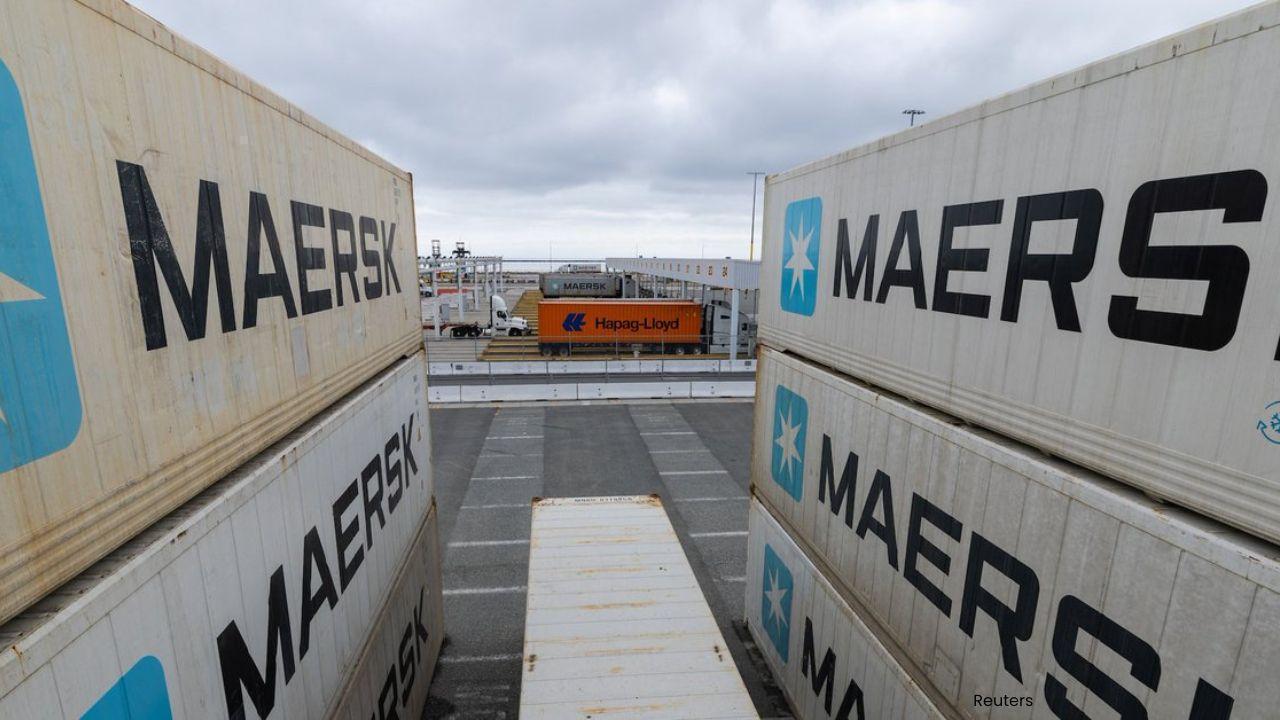
Global shipping leader Maersk has taken decisive action in response to mounting disruptions in the Middle East, redistributing fuel supplies across its fleet to keep vessels operational amid intensifying tensions linked to the Iran conflict. The move comes as disruptions in fuel availability and storage challenge maritime logistics, particularly for vessels navigating energy chokepoints such as the Strait of Hormuz.
With multiple ships affected by the fallout, Maersk’s fuel redistribution efforts aim to ensure that vessels have access to bunkering — the process of refuelling ships — at critical points across its global network. By proactively moving fuel between regions, the company is working to maintain continuity in its services while broader supply chains face uncertainty.
The escalating conflict in the Middle East has significantly affected traditional fuel supply routes, prompting a ripple effect throughout global shipping. As one of the world’s largest container carriers, Maersk heavily depends on marine fuel for its extensive fleet. With fuel storage and distribution disrupted in certain parts of the Gulf, the company’s fuel redistribution initiative has become a critical part of sustaining operations.
This redistribution approach helps vessels secure fuel where it remains available, mitigating immediate shortages and allowing key shipping corridors to stay active. At the same time, global logistics partners and customers are watching closely as supply chain disruptions continue to pressurize international freight movements.
The ongoing tensions have also forced Maersk to reconsider and adjust its service offerings in the region. In recent weeks, the company suspended bookings and temporarily halted container services to and from several Middle Eastern markets, focusing on safety and network stability amid the volatile environment. These operational decisions highlight how shifting geopolitical landscapes can directly influence shipping networks and freight schedules.
Such disruptions are not limited to one route, with carriers around the world altering schedules and rerouting cargo to avoid high-risk maritime zones. The industry is adapting to changing conditions, but the strain on shipping timelines and port operations remains evident.
Fuel supply is now a strategic priority for major shipping companies navigating this period of uncertainty. By redistributing fuel supplies among its vessels, Maersk aims to prevent bottlenecks in fuel availability that could further exacerbate delays in cargo movement and port turnarounds.
For global shippers and logistics managers, the company’s actions underscore the interconnected nature of fuel supply, maritime routes, and logistics planning. Ensuring that vessels can refuel at key hubs is essential to maintaining the flow of goods across regions.
The disruptions linked to the Iran conflict continue to affect bunker fuel logistics, freight rates, and supply chain reliability. Shipping firms are under pressure to adapt while balancing operational risks and customer commitments. For Maersk, redistributing fuel represents just one of several strategic responses aimed at navigating the evolving situation.
As geopolitical tensions persist, the shipping industry may see further operational shifts, with fuel strategy and route management becoming central to sustaining global logistics networks. These adaptations reflect the broader challenge facing maritime trade as it seeks to withstand external shocks and maintain resilient supply chains.
#trending #latest,Maersk fuel redistribution, maritime fuel supply disruption, Iran tensions shipping, global shipping logistics, bunker fuel strategy, Strait of Hormuz impact, supply chain disruption








Advances in Aerospace Technology and Commercial Aviation Recovery
Insights into breakthrough aerospace technologies and commercial aviation’s recovery amid 2025 chall

Defense Modernization and Strategic Spending Trends
Explore key trends in global defense modernization and strategic military spending shaping 2025 secu

Tens of Thousands Protest in Serbia on Anniversary of Deadly Roof Collapse
Tens of thousands in Novi Sad mark a year since a deadly station roof collapse that killed 16, prote

Canada PM Carney Apologizes to Trump Over Controversial Reagan Anti-Tariff Ad
Canadian PM Mark Carney apologized to President Trump over an Ontario anti-tariff ad quoting Reagan,

The ad that stirred a hornets nest, and made Canadian PM Carney say sorry to Trump
Canadian PM Mark Carney apologizes to US President Trump after a tariff-related ad causes diplomatic

Bengaluru-Mumbai Superfast Train Approved After 30-Year Wait
Railways approves new superfast train connecting Bengaluru and Mumbai, ending a 30-year demand, easi



